The short version
- Choose the likely resale channel before choosing the product.
- Widely recognized bullion can reduce identification friction, but a higher purchase premium is not guaranteed to return.
- Keep invoices, photographs, packaging, and serial records where they support identification and basis.
Begin with the future buyer
A local coin shop, national bullion dealer, auction house, and private buyer serve different markets. A shop may quote standardized bullion quickly. A specialist auction may be better suited to a scarce vintage bar or graded coin. A private sale can produce a higher headline price while adding time, platform fees, payment risk, and shipping work.
Ask likely buyers what they trade regularly and how they quote it. A product with many active bids is generally easier to compare than an obscure piece with one enthusiastic seller and no visible buyback market.
Recognition helps—but price the spread
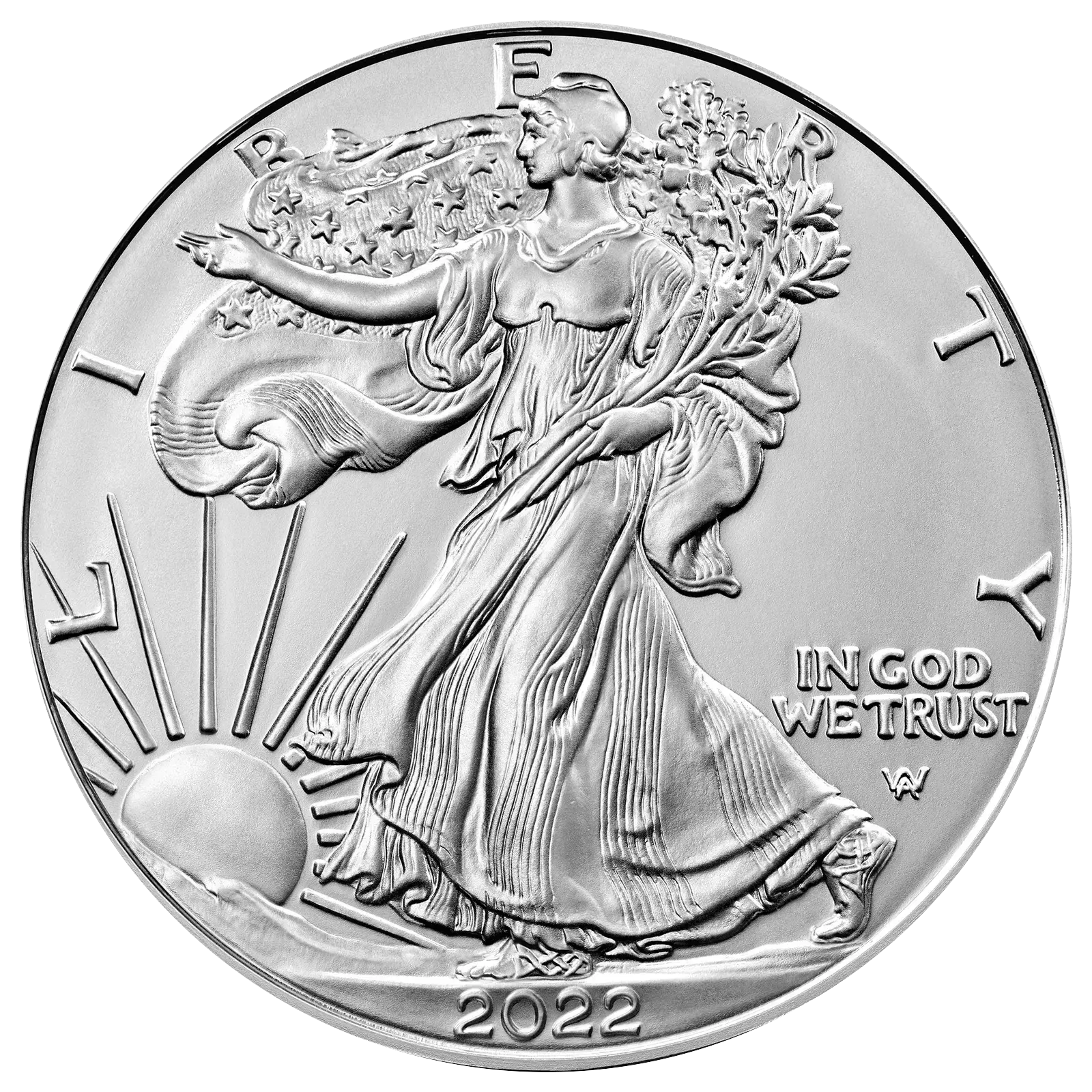
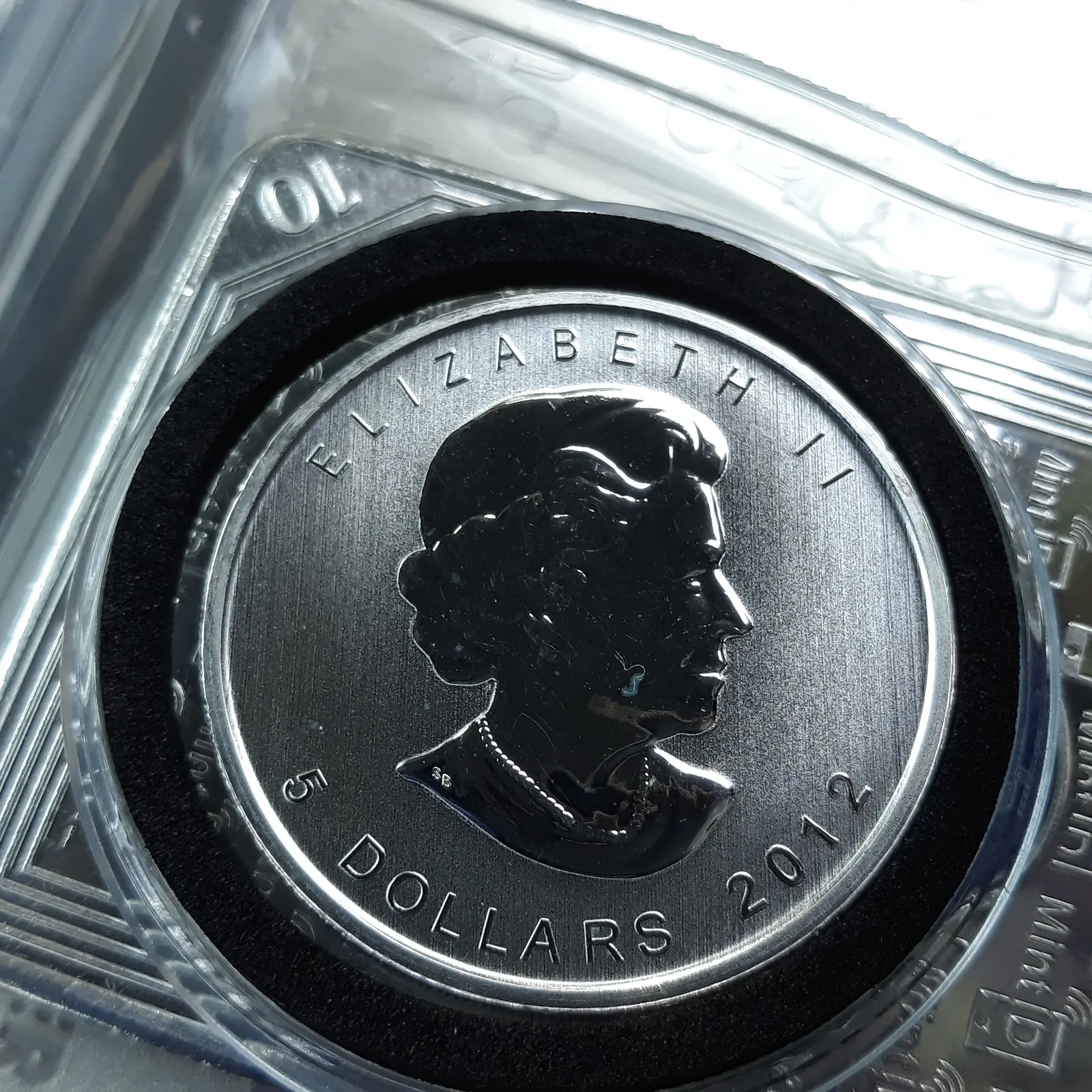
Government bullion coins and established refinery products can be familiar to buyers, which may simplify identification and quoting. Generic rounds and bars can also trade efficiently when the maker, weight, and fineness are clear. Recognition is useful only in relation to price.
Record the current retail ask and an immediate buyback bid for the exact product. Their difference is the round-trip spread. A recognized coin may resell above a generic round while still delivering a worse spread if its purchase premium was much higher.
Make the piece easy to verify
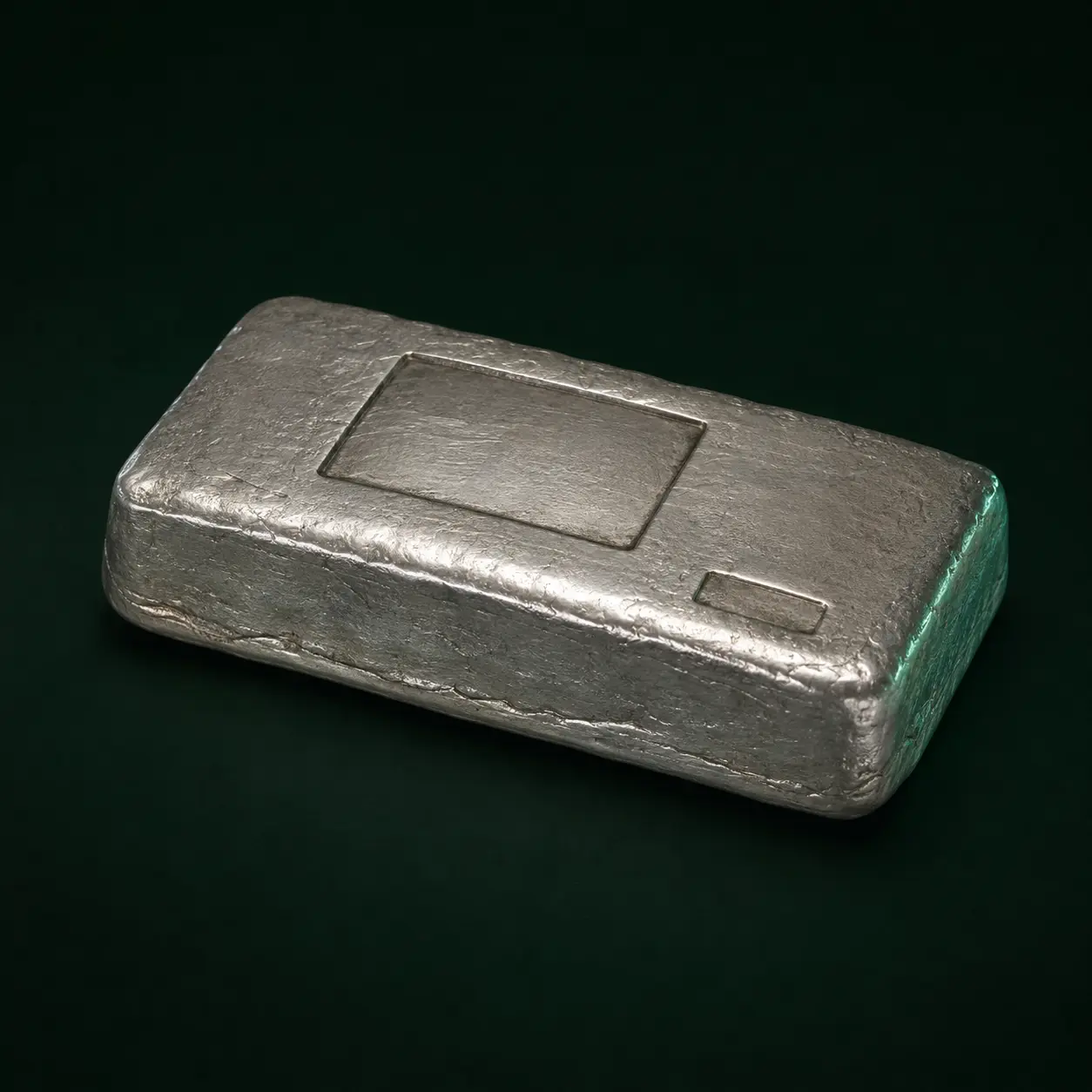
Preserve markings, dimensions, serials, assay packaging, and purchase records. Do not clean a coin or vintage bar before identifying it. Altered surfaces or missing packaging can reduce collector demand even though metal content is unchanged.
For ordinary bullion, condition expectations may be less strict, but an item still needs to match a known specification. Photograph both sides and record the source before the piece is stored. Keep sensitive security details separate from public posts.
- Match the exact product, size, and year where relevant.
- Separate generic bullion from collectible material before requesting bids.
- Compare net proceeds after fees, shipping, insurance, testing, and travel.
Balance divisibility and efficiency
Smaller pieces allow partial sales and lower the total price of each transaction. Larger bars can reduce acquisition cost per ounce but concentrate value into fewer bids. The right balance depends on the size of sale you could comfortably complete and the buyers available to you.
No format is permanently most liquid. Dealer inventory, regional demand, spot volatility, and product-specific interest change. A diversified mix of recognizable sizes can reduce dependence on one resale route.
Ouncebound does not appraise pieces or predict resale prices. Use current bids on the exact item and document the terms of each quote.
Common questions
Answers without the sales pitch.
What type of silver is easiest to resell?
Widely recognized bullion in common sizes can be easier for many buyers to identify and quote, but local demand and the product's current spread matter. Ask likely buyers for bids on the exact item.
Are coins easier to sell than bars?
Government coins can have broad recognition, while standard bars can offer efficient ounces and strong dealer markets. Neither format always wins; compare actual bids, transaction size, and acquisition premium.
Do I get my silver premium back when I sell?
Not necessarily. Purchase and resale premiums move independently. Compare the current ask with a realistic buyback bid to understand the immediate spread.
Primary references
Sources and further reading.
Ouncebound summarizes these sources for general education. Product specifications and market practices can change; verify the exact piece before buying or selling.
The Silver Brief
Keep the framework. Skip the daily noise.
Occasional price context, buying notes, and new archive research—written to be useful, not urgent.