Maker or refiner hallmark
The company, mint, refinery, or issuer responsible for the piece. Compare the exact logo style and placement with a reliable maker reference.
Silver identification field guide
Silver bars communicate through maker stamps, weight, fineness, serials, assay marks, dates, and security details. No single mark proves authenticity; the strongest identification comes from details that agree.
Seven evidence points
Read marks as a system. Typeface, spacing, orientation, surface, edge construction, dimensions, and metal testing all add context.
The company, mint, refinery, or issuer responsible for the piece. Compare the exact logo style and placement with a reliable maker reference.
Usually expressed in troy ounces, grams, or kilograms. Weight must be read together with the fineness and the manufacturer specification.
A proportion such as .999 or .9999 that describes purity. It is not a substitute for testing and does not identify the maker by itself.
An identifier for an individual bar or production system. Prefix, digit count, typeface, and placement may help identify a variety, but a serial alone is not authentication.
A stamp, card, or package statement associated with verification. Confirm that packaging details and identifiers match the bar rather than treating the holder as proof by itself.
Some products show a year, mint code, or series designation. Determine whether the mark indicates production, design issue, copyright, or another event.
Micro-engraving, radial lines, latent images, or maker verification systems can aid comparison. Learn the feature from the manufacturer before relying on it.
Authentication boundary
Counterfeits can copy logos, serial formats, packaging, and surface texture. For a meaningful purchase, compare the exact product specification and use appropriate professional testing.
Archive examples
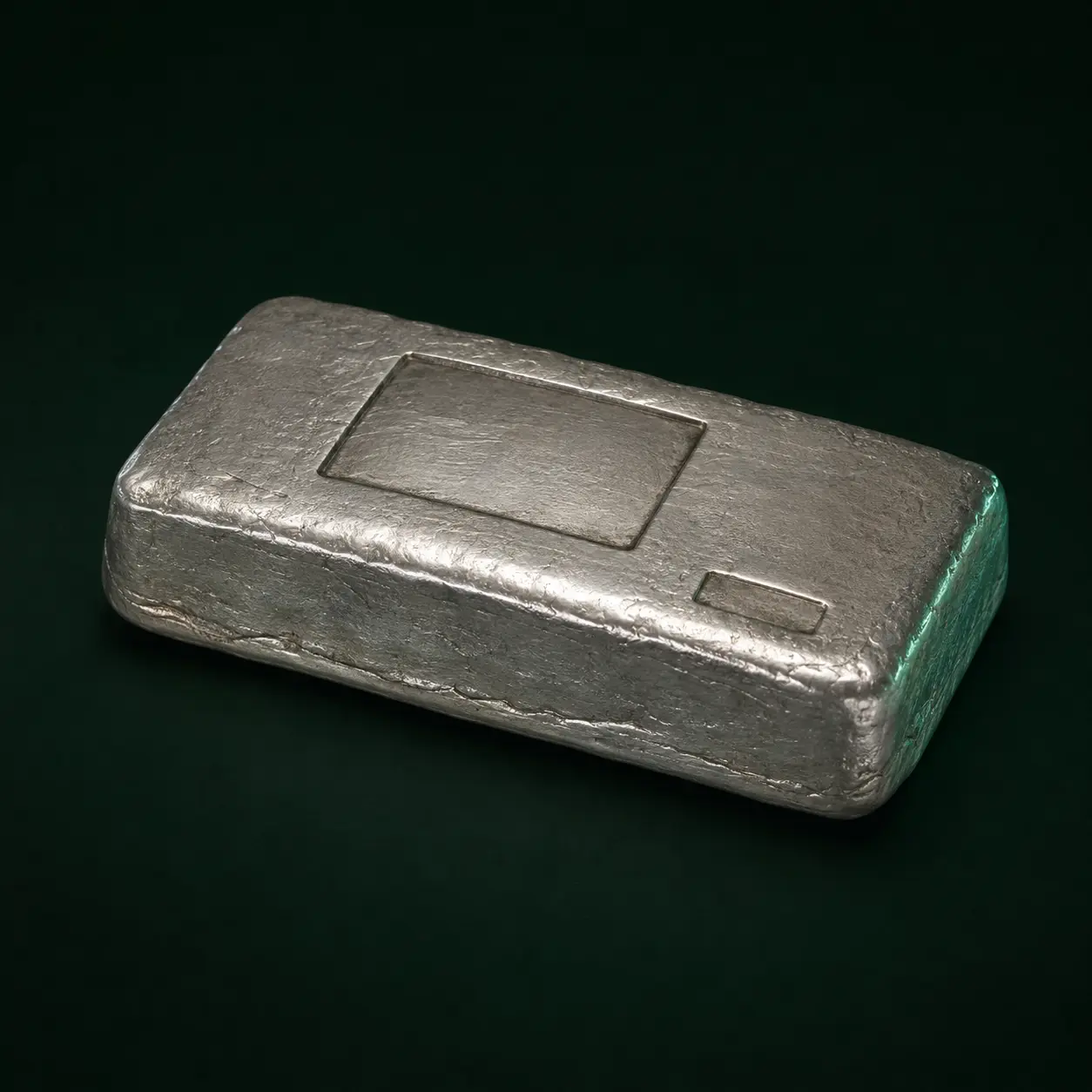
Engelhard
A poured vintage bar recognized by its deep rectangular hallmark and serial-numbered face.
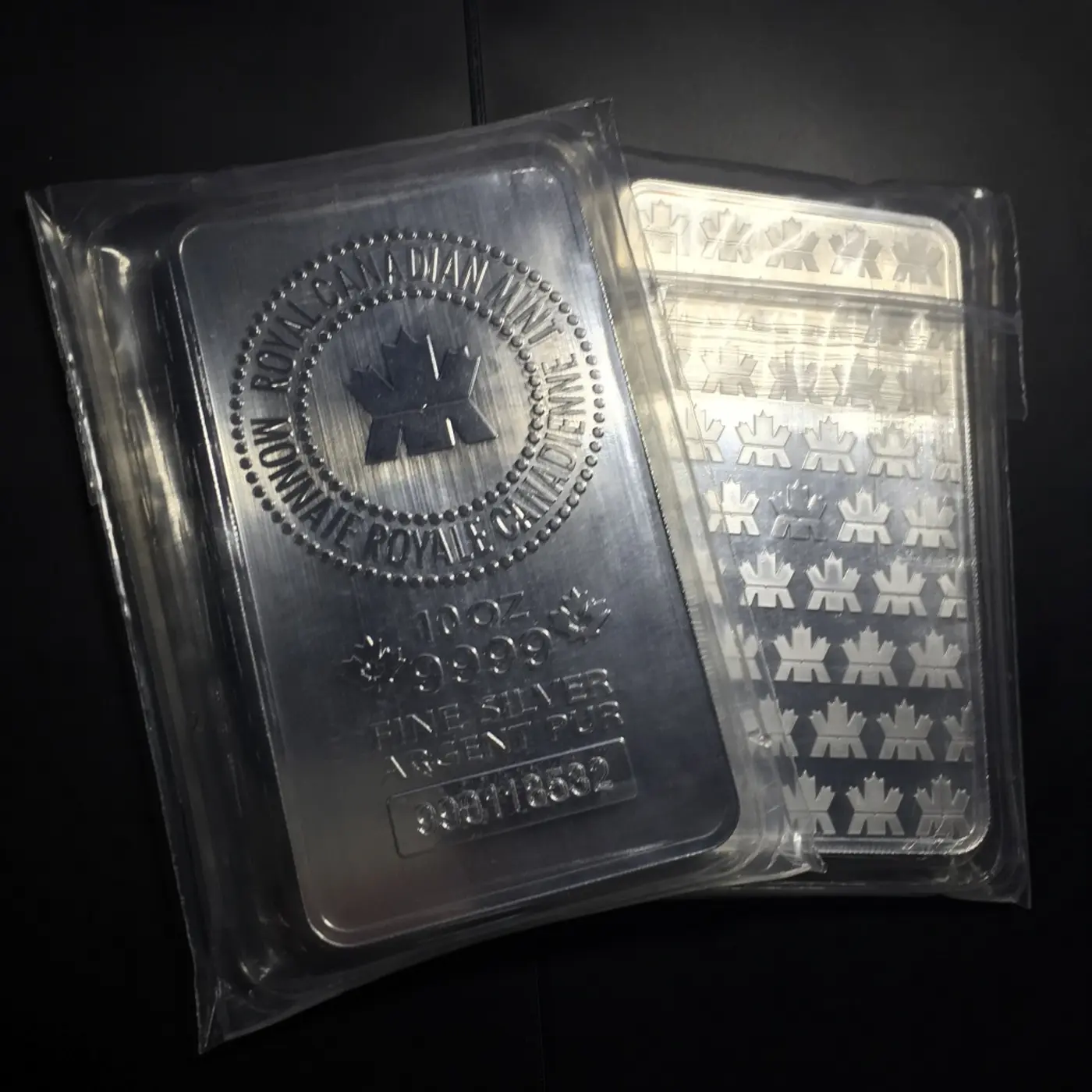
Royal Canadian Mint
A high-purity serialized bar bearing the Royal Canadian Mint maple-leaf security pattern.
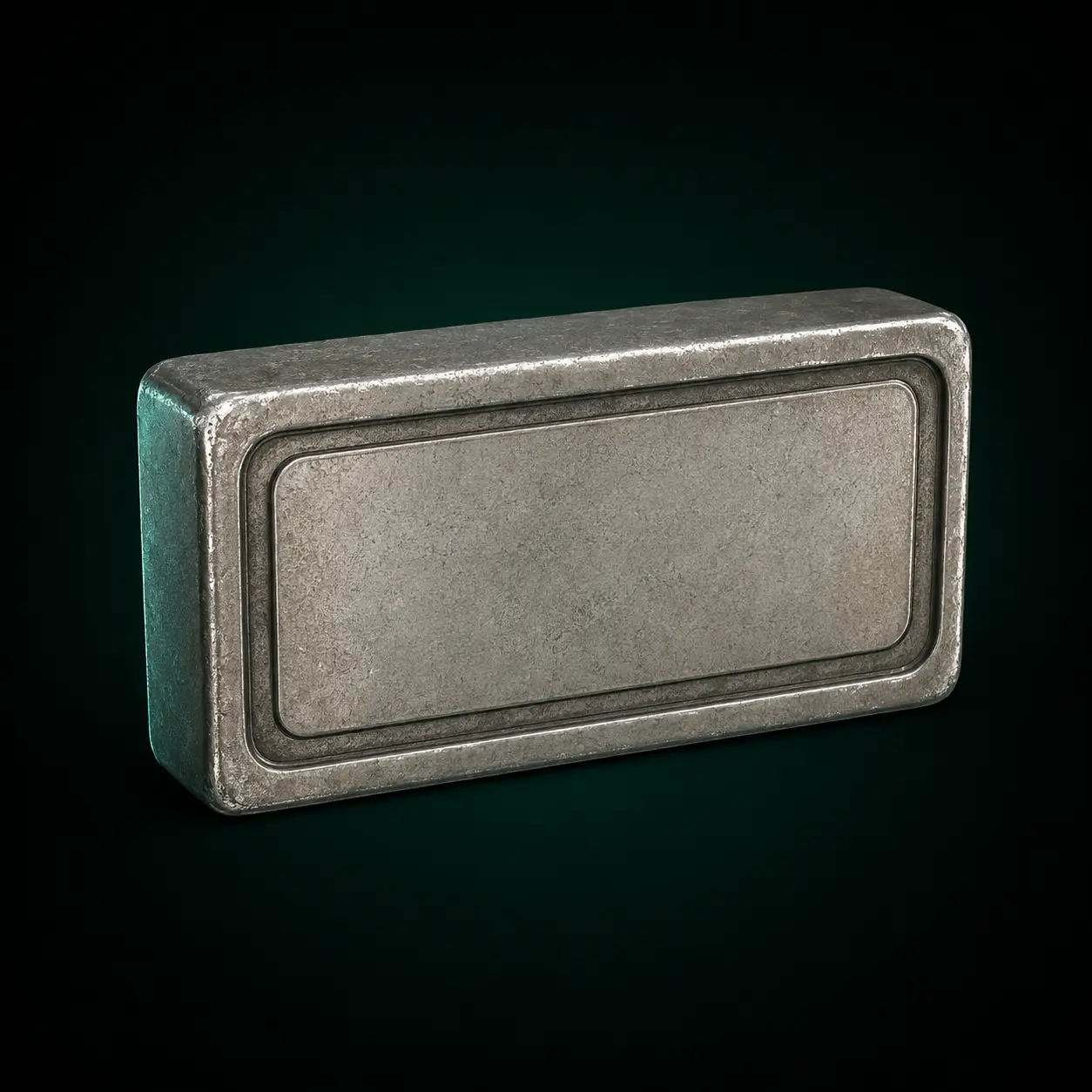
Johnson Matthey
A compact vintage minted bar with repeating refinery logos across the reverse.
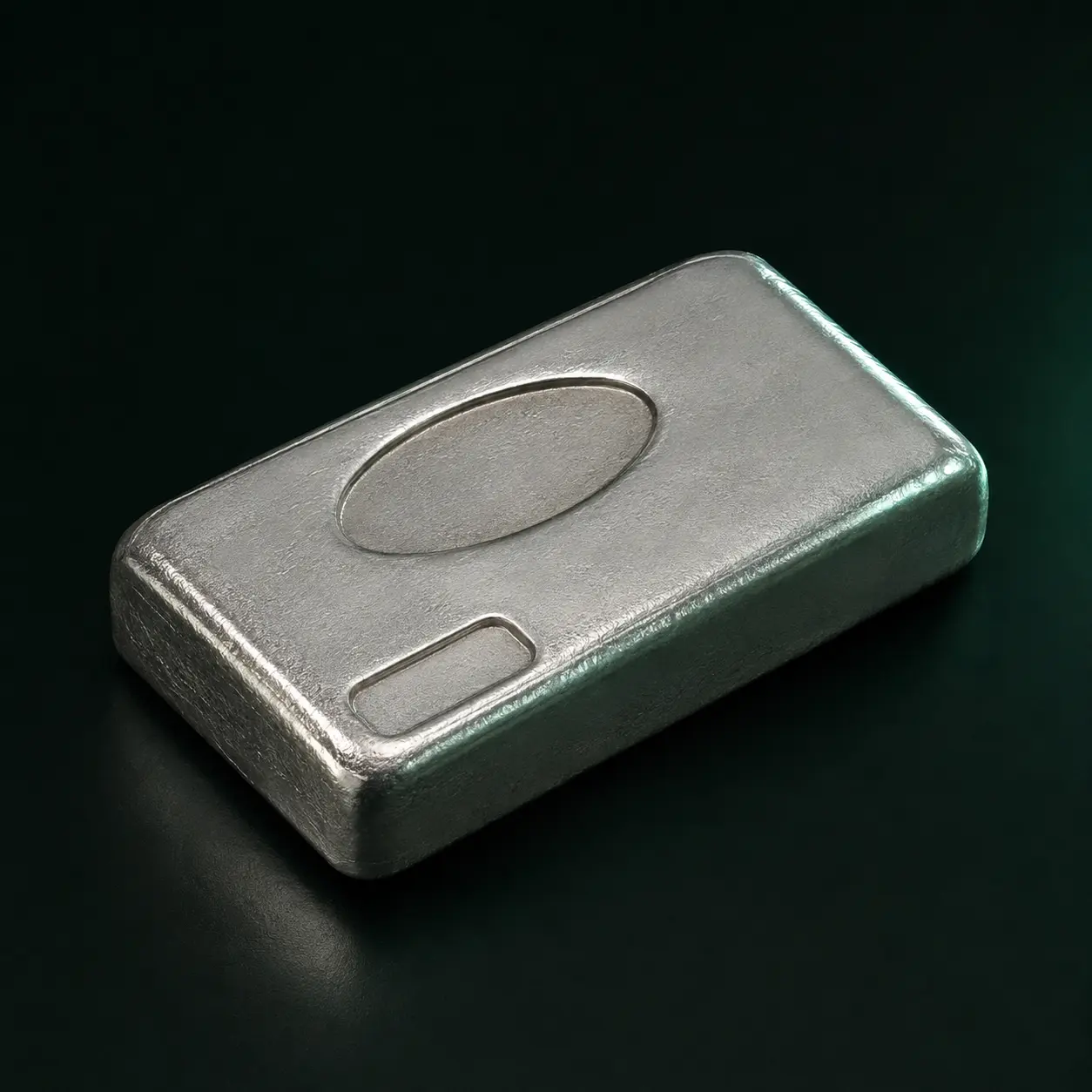
PAMP Suisse
A substantial Swiss cast bar with a clean refinery hallmark and individual serial number.
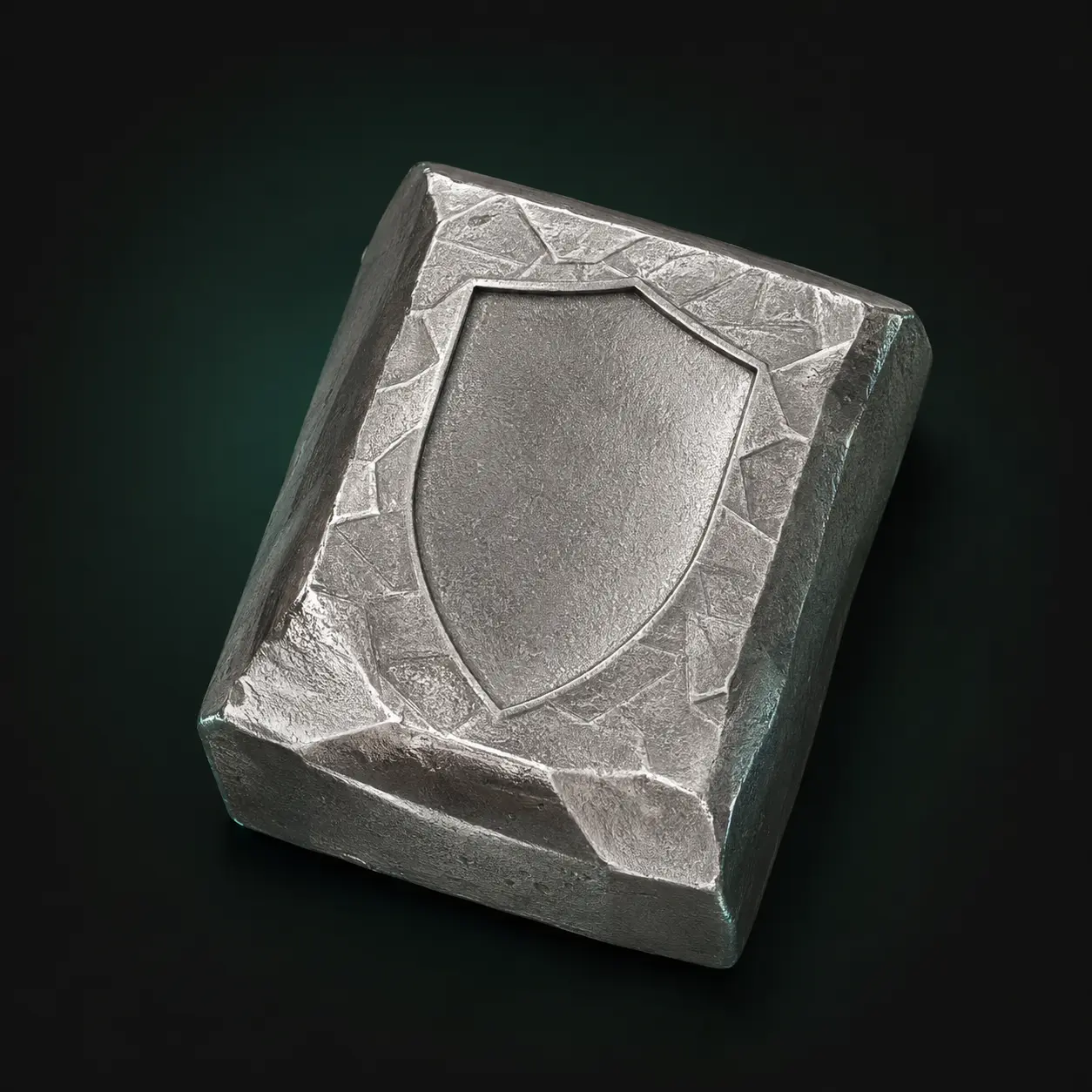
Germania Mint
A four-nines cast bar finished with a distinctive hologram and serialized presentation box.
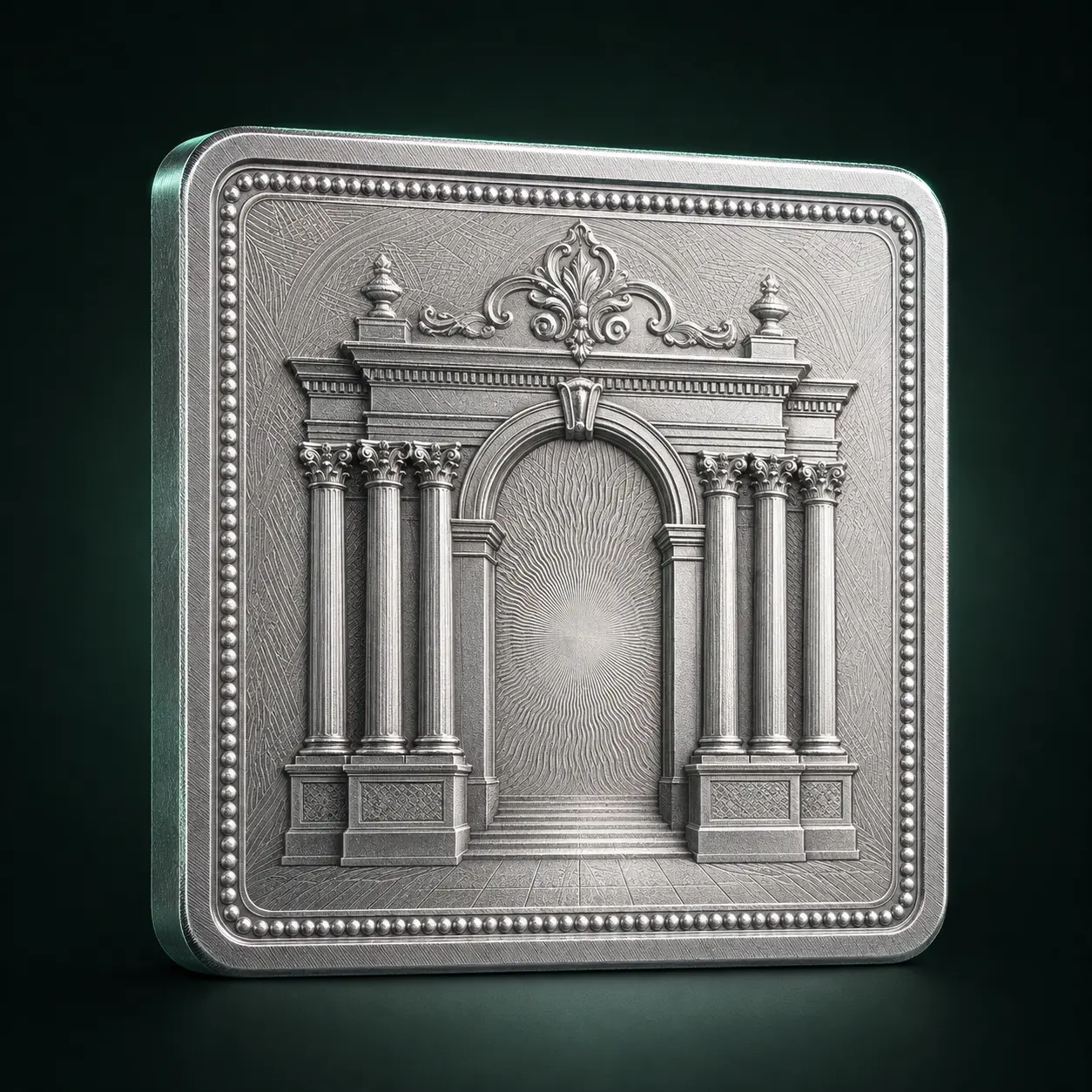
Geiger Edelmetalle
A square minted bar with reeded edges, textured fields, UV security, and individual serial number.
Still unidentified?
Share the maker, weight, fineness, mark style, and a redacted serial prefix. Keep complete serials and personal purchase documents private.