The short version
- Cast bars form as molten metal cools in a mould; minted bars are cut from rolled metal and struck or pressed with a design.
- Surface variation on a cast bar is not automatically damage or evidence of a counterfeit.
- Packaging and finish may affect collectible value, but they do not replace weight, dimensions, markings, and provenance checks.
How a cast bar gets its character
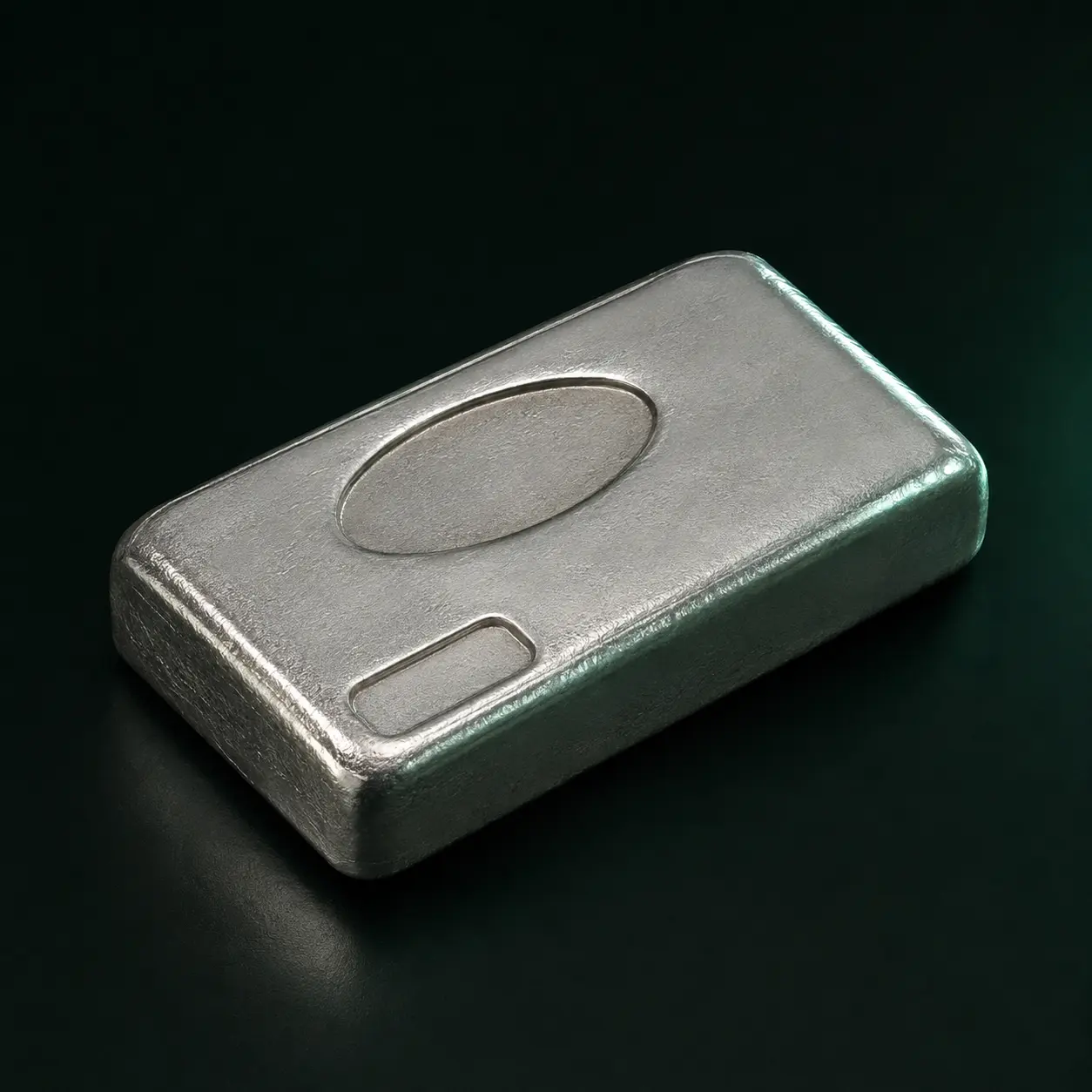
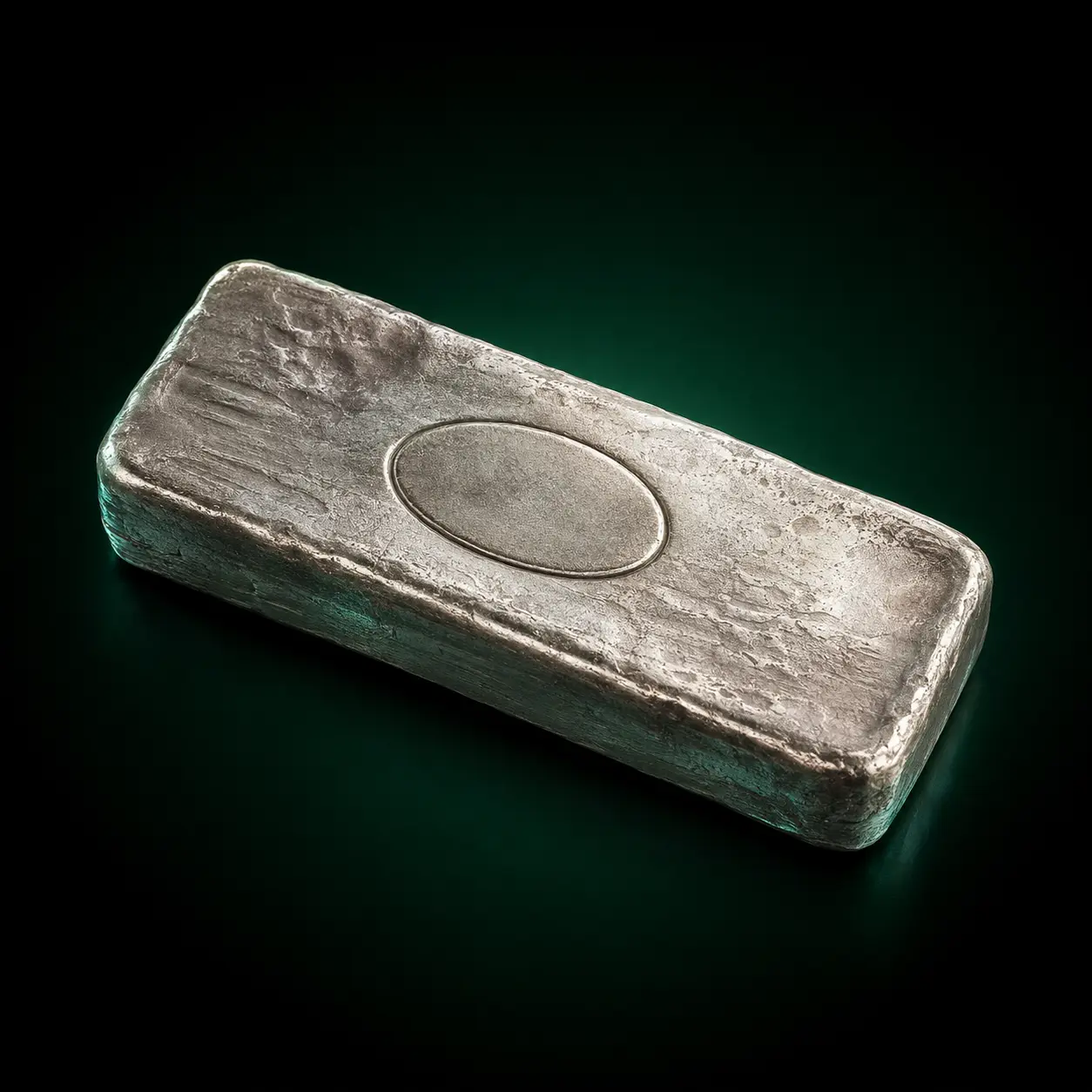
In a cast process, molten metal is measured into a mould and allowed to cool. The resulting bar may show cooling lines, soft corners, ripples, toning, or small surface irregularities. Makers then stamp or otherwise apply identifying marks such as the refiner, weight, fineness, and sometimes a serial number.
Because flow and cooling are not perfectly identical, two legitimate cast bars from the same product line may not look precisely alike. Official Perth Mint specifications explicitly note that supplied cast bars can vary in finish, color tone, surface texture, and shape within manufacturing tolerances.
Why minted bars look more uniform
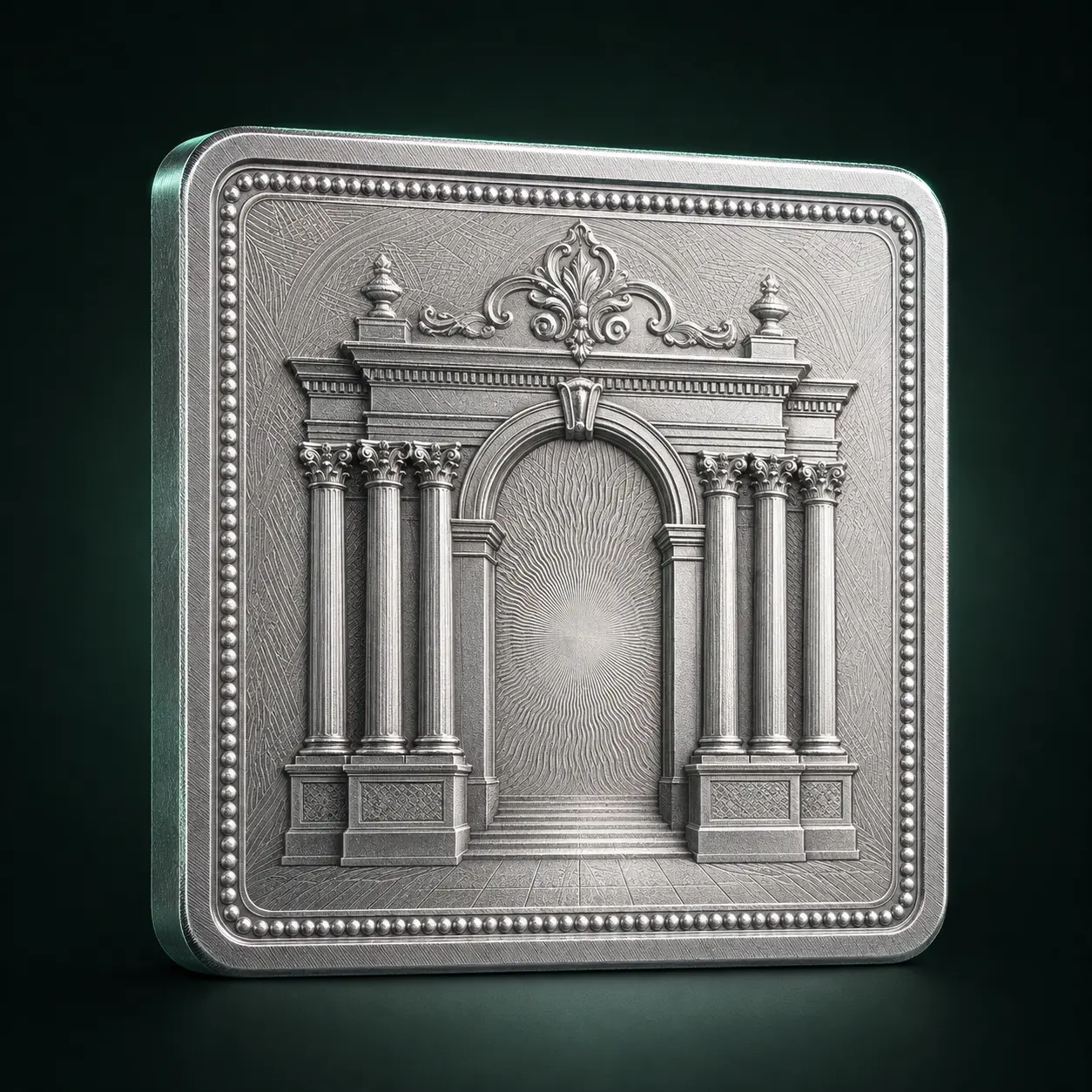
Minted bars are generally cut from a rolled sheet or strip and then struck or pressed with a design. The process supports sharper edges, detailed relief, repeating textures, and a more consistent footprint. Many modern minted bars arrive in assay cards or tamper-evident blister packaging.
That additional finishing and presentation can create a higher premium. It may also attract collectors who care about an undisturbed package or flawless surface. A scratched assay card does not change the silver content, but it can matter to the next collector if the product normally trades as a sealed presentation piece.
Which belongs in a stack?
Choose cast when you value lower-friction bullion, compact heft, and natural variation. Choose minted when you value detailed design, standardized dimensions, security features, or display-ready packaging. Neither production style is inherently more authentic or more valuable.
Vintage poured and cast bars are an important exception to the usual premium pattern. Scarce makers, old hallmark varieties, and documented production runs can turn a rough-looking bar into a serious collectible. Research the exact type before cleaning, polishing, or removing original packaging.
Primary references
Sources and further reading.
Ouncebound summarizes these sources for general education. Product specifications and market practices can change; verify the exact piece before buying or selling.
The Silver Brief
Keep the framework. Skip the daily noise.
Occasional price context, buying notes, and new archive research—written to be useful, not urgent.