The short version
- Compare delivered price per fine troy ounce, not the first number on a product page.
- Keep product, quantity, and payment method constant across quotes.
- Treat an unusually low quote as a reason to verify the seller and product—not as proof of a bargain.
Start with fine ounces
A one-ounce .999 bullion product normally represents one fine troy ounce of silver when its specification states one ounce of silver content. Older circulating coins, sterling items, and products quoted by gross weight need a purity adjustment. Multiply gross troy ounces by fineness before comparing them with modern bullion.
Once fine ounces are known, divide the full delivered total by that number. This puts a tube of coins, a ten-ounce bar, and a mixed lot on a consistent metal basis. It does not erase differences in recognition, condition, or collectibility; it simply gives those differences a visible price.
Rebuild the checkout total
Record the item total, shipping, insurance, payment surcharge, marketplace fee, and applicable tax, then subtract only discounts you can actually use. Dealers often display their lowest quantity tier and least-expensive payment method first. If you are buying one piece by card, that headline may not apply.
Run every candidate through the same rules. Comparing one dealer's cash price with another dealer's card price, or a single item with a full-monster-box tier, produces a precise-looking answer to the wrong question.
- Use the final checkout screen before submitting payment.
- Note whether free shipping requires a larger order than you planned.
- Confirm that the product is in stock rather than delayed or presale inventory.
Know what a lower premium can cost
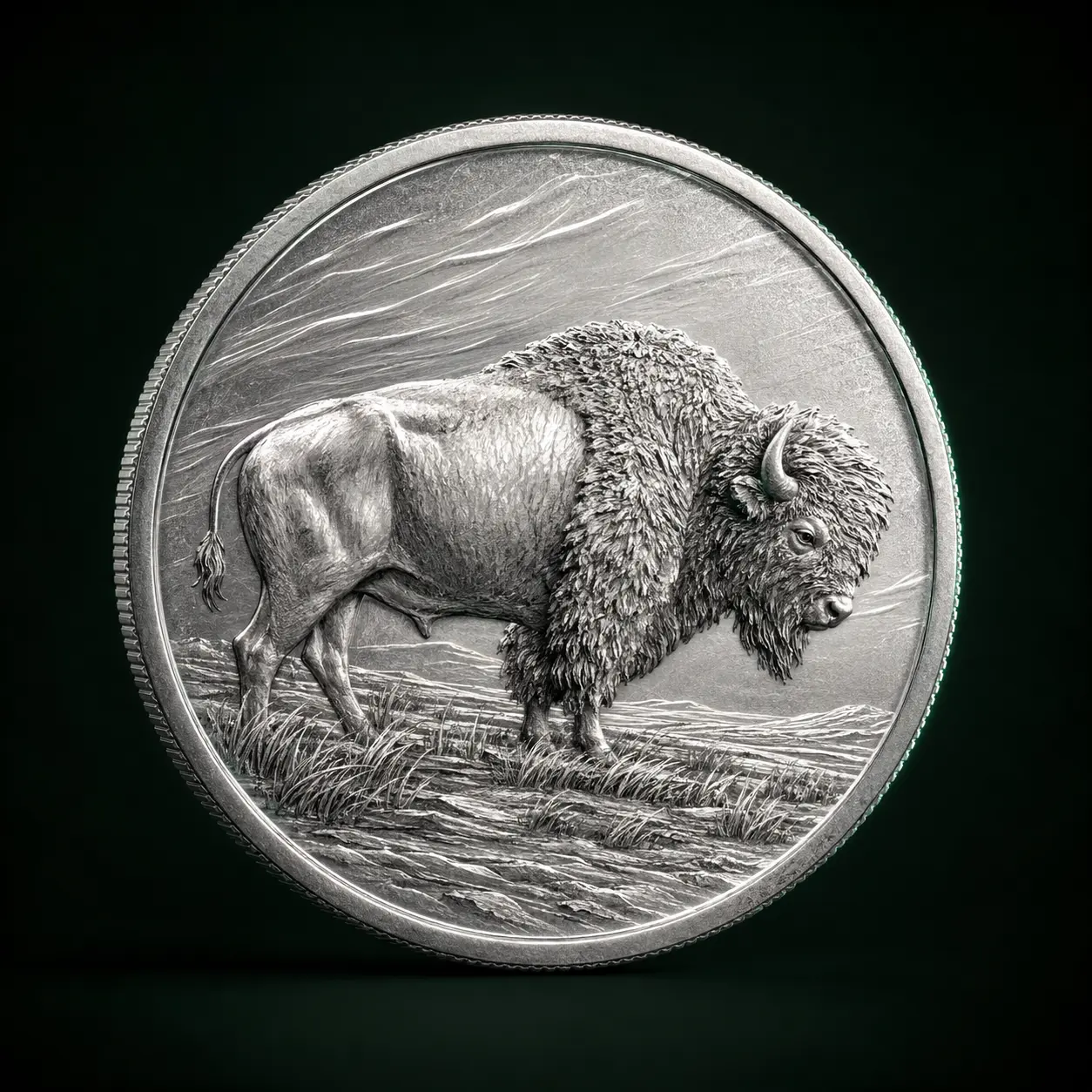
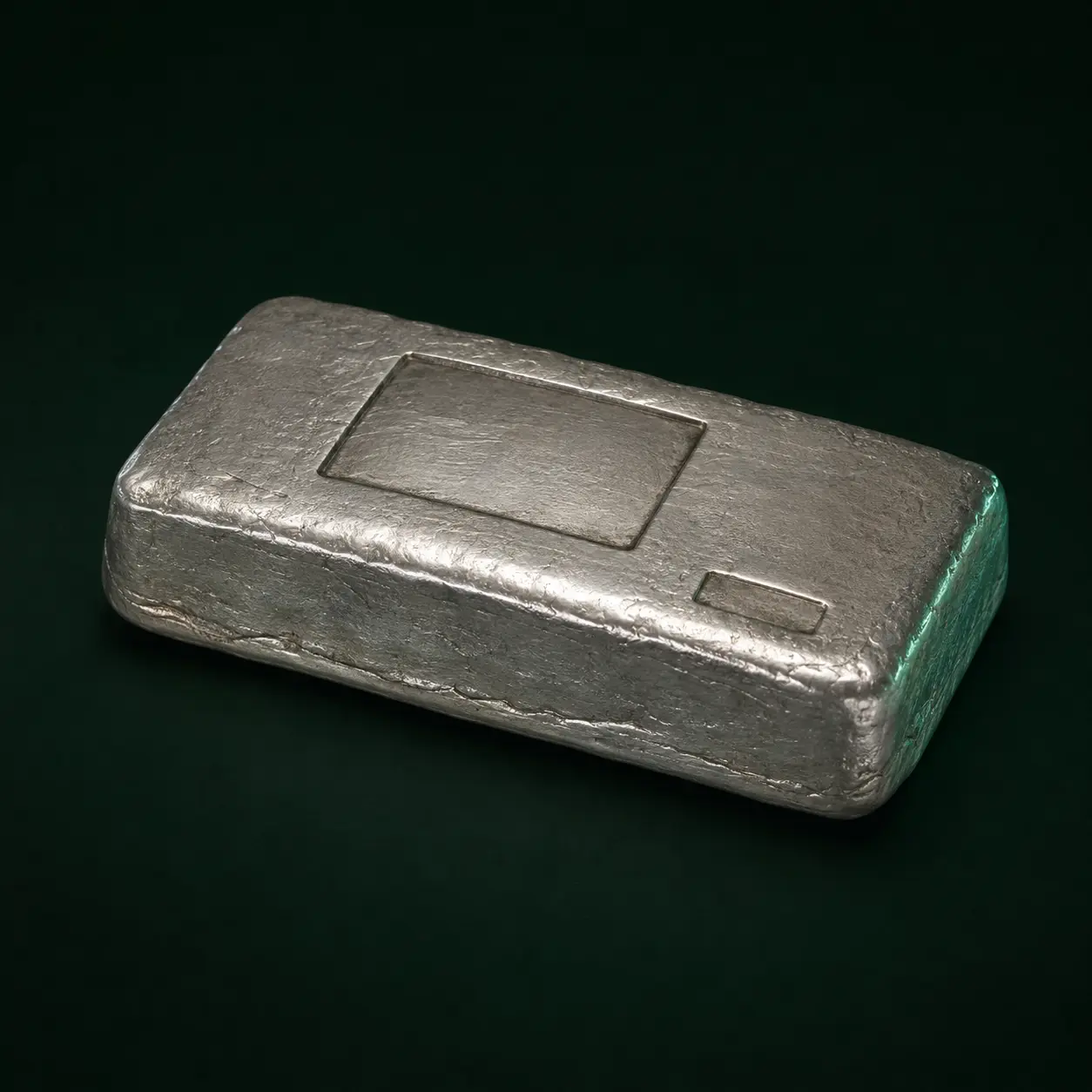
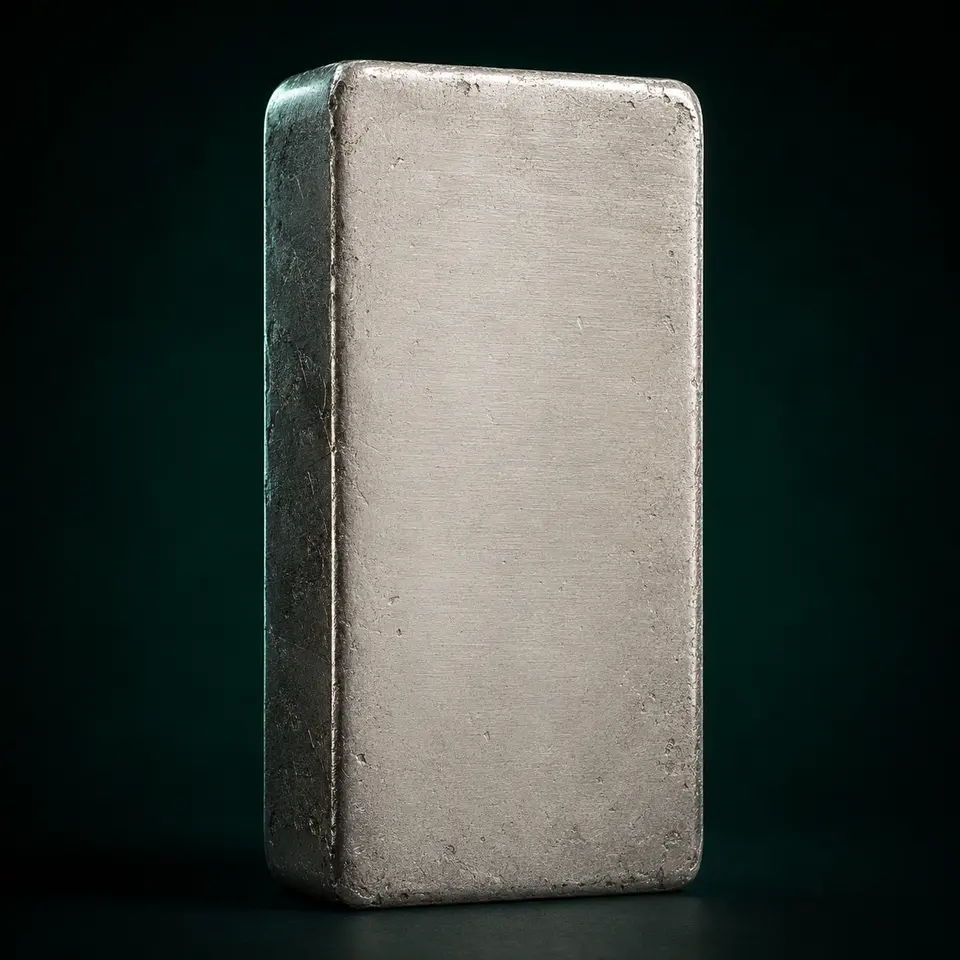
Plain, recognizable bars and rounds often compete closely on metal value. Damaged, obscure, or difficult-to-verify pieces may be cheaper but attract a wider discount when sold. Large bars can reduce fabrication cost per ounce while requiring a larger future sale. Small pieces can cost more per ounce while making partial sales easier.
Ask at least one potential buyer what it would pay for the same item today. The immediate buy-sell spread is not a prediction, but it helps distinguish a durable low-cost product from one that is merely hard to resell.
Use a repeatable comparison rule
Choose the product class first, collect two to five complete quotes, compare delivered price per fine ounce, and record the spot reference at the same time. Then review seller identity, fulfillment, returns, and buyback terms before acting on the lowest total.
Ouncebound's quote comparison tool performs the arithmetic from values you enter. It does not preload dealer prices or declare a seller safe. That separation keeps the calculation useful even when inventory and promotions change.
A price below the current metal reference deserves additional verification of weight, purity, authenticity, seller terms, and every fee.
Common questions
Answers without the sales pitch.
What silver usually has the lowest premium?
Plain larger bars and recognizable generic rounds often have lower fabrication premiums than small pieces or government coins, but delivered cost and local resale demand vary. Compare current complete quotes rather than assuming one format always wins.
Should I buy the cheapest silver listing I can find?
Not automatically. Verify fine-silver content, seller identity, inventory, payment and shipping terms, return policy, and likely resale discount. An unusually low price can reflect a different quantity tier, product, delay, fee structure, or fraud.
How do I compare silver prices per ounce?
Add every checkout cost, subtract usable discounts, and divide the delivered total by fine troy ounces. Use the same quantity and payment method for each quote.
Primary references
Sources and further reading.
Ouncebound summarizes these sources for general education. Product specifications and market practices can change; verify the exact piece before buying or selling.
The Silver Brief
Keep the framework. Skip the daily noise.
Occasional price context, buying notes, and new archive research—written to be useful, not urgent.