The short version
- Do not use one universal premium target for every size, format, mint, quantity, and payment method.
- Calculate dollars per fine ounce and delivered percentage over melt using the same spot timestamp.
- The lowest premium is not automatically the best value if the product is difficult to verify or resell.
Build the premium correctly
Start with fine-silver ounces multiplied by the same current spot reference. Subtract that melt reference from the full delivered cost, including payment surcharge, shipping, insurance, and unavoidable order fees. Divide the difference by fine ounces for premium per ounce, or by melt value for premium percentage.
Quantity breaks can materially change the calculation. Compare one coin with one coin, a tube with a tube, and cash-equivalent payment with the same payment method. A dealer's lowest advertised tier may assume a large order and a payment method you are not using.
Separate bullion premium from collector premium
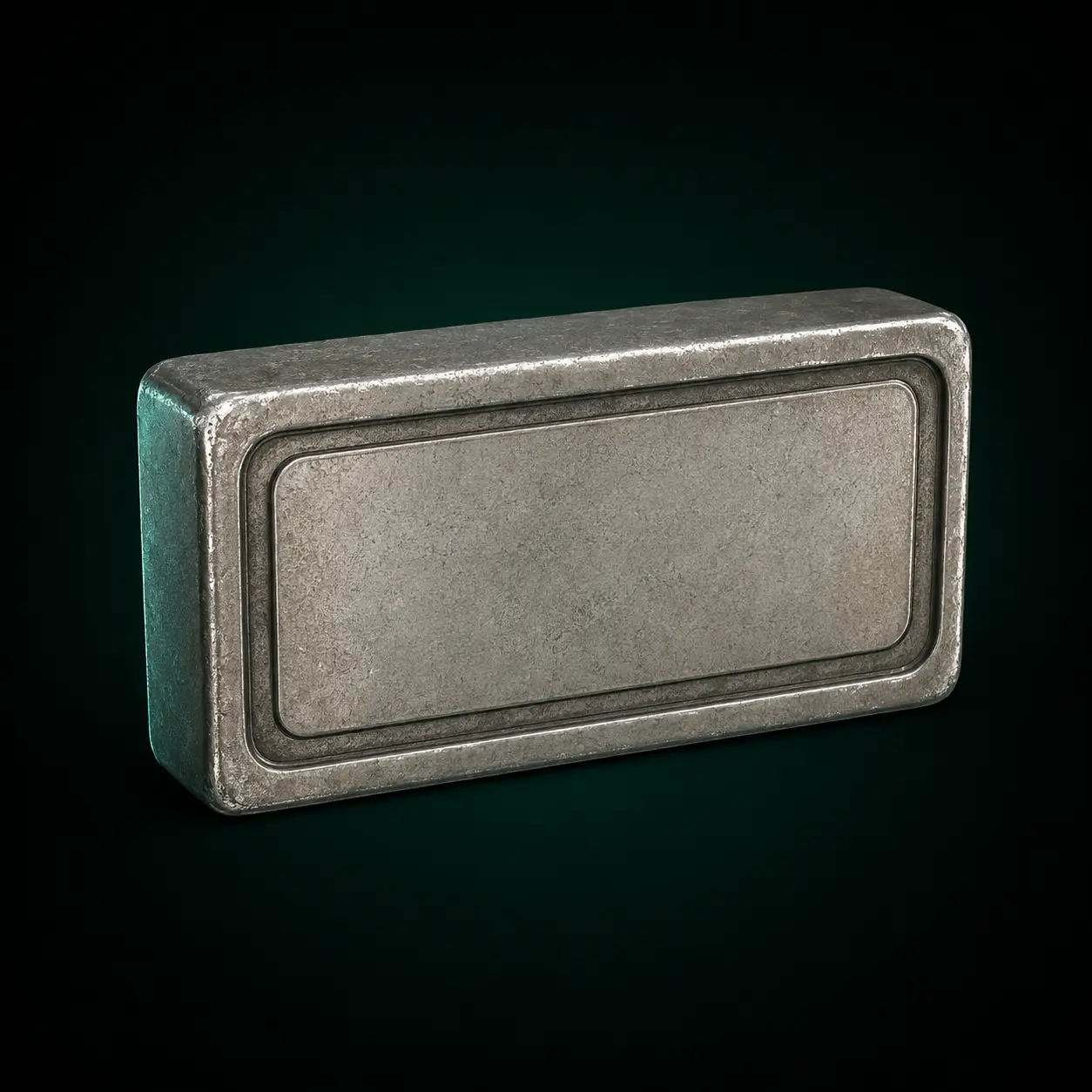
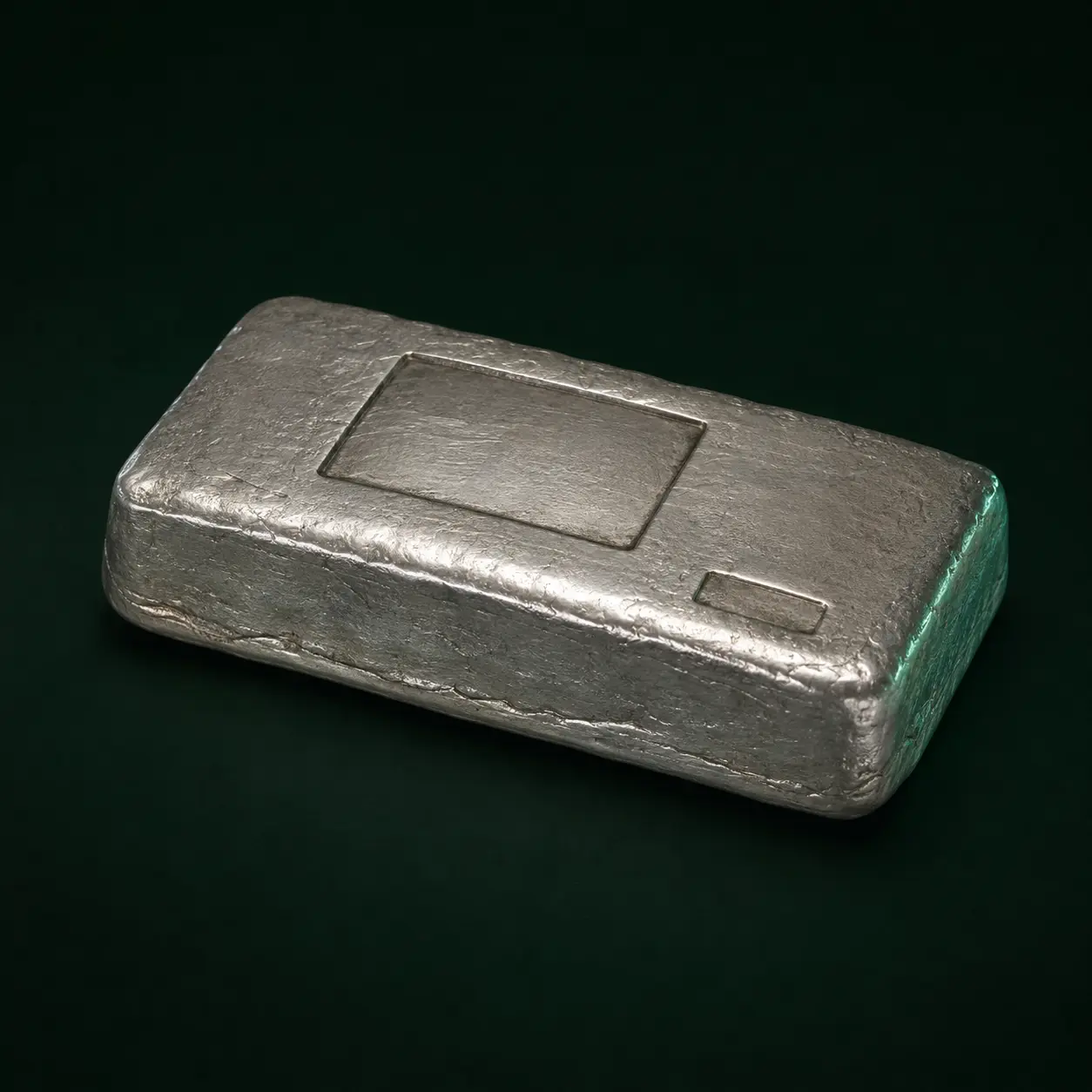
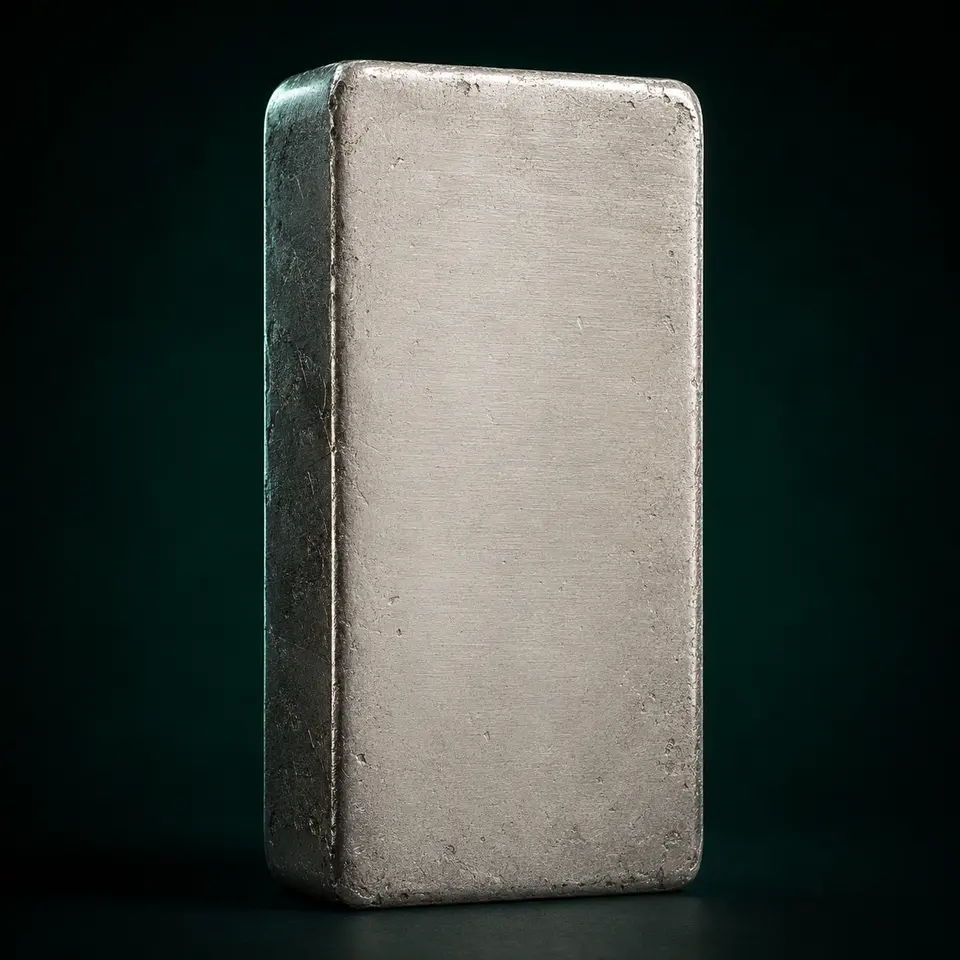
A plain ten-ounce bar, a current government bullion coin, a proof coin, and a vintage poured bar serve different markets. The first two are often compared as bullion; the latter two can include premiums for finish, rarity, provenance, packaging, and collector demand. Treating all four as interchangeable ounces hides the reason for the price difference.
If your goal is low-cost metal exposure, compare standardized products with broad dealer recognition. If you are paying for a collectible attribute, identify that attribute and research its resale market separately.
Use the buyback quote as a reality check
Ask what the same seller—or another credible buyer—would currently pay for the exact item. The difference between the retail ask and buyback bid is the immediate spread. A product can have a high resale price and still be a poor value if its purchase price is even higher.
No buyback quote guarantees a future price, but it reveals how the market values the product today and whether a visible retail premium is supported on both sides of the transaction.
Make a repeatable decision rule
Instead of chasing one magic percentage, define your rule: compare at least three delivered quotes for the exact product; reject unclear fees; prefer recognized products; record the spread; and decide how much extra you are intentionally paying for divisibility, government issuance, design, or scarcity.
Ouncebound's calculator measures premium from the numbers you enter. It does not label a premium good or bad without product and market context.
Common questions
Answers without the sales pitch.
What is a normal silver premium?
There is no single normal premium. It varies by product, size, mint, quantity, payment method, inventory, and retail demand. Compare delivered quotes for the exact same product and calculate the current buy-sell spread.
Is silver below spot always a good deal?
No. Verify weight, purity, authenticity, seller terms, and all fees. A price that appears unusually low can reflect a different product, a large-order tier, delayed delivery, missing costs, or fraud.
Do I get the premium back when I sell?
Not necessarily. A buyer may pay below spot, at spot, or above spot depending on the product and market. Purchase premiums and resale premiums can move independently.
Primary references
Sources and further reading.
Ouncebound summarizes these sources for general education. Product specifications and market practices can change; verify the exact piece before buying or selling.
The Silver Brief
Keep the framework. Skip the daily noise.
Occasional price context, buying notes, and new archive research—written to be useful, not urgent.