The short version
- Start with a recognizable product whose weight, purity, and maker are easy to verify.
- Compare delivered price—not just the advertised price or the premium shown before fees.
- Avoid pressure, financing, guaranteed-return claims, and unsolicited sales pitches.
Choose a simple first product
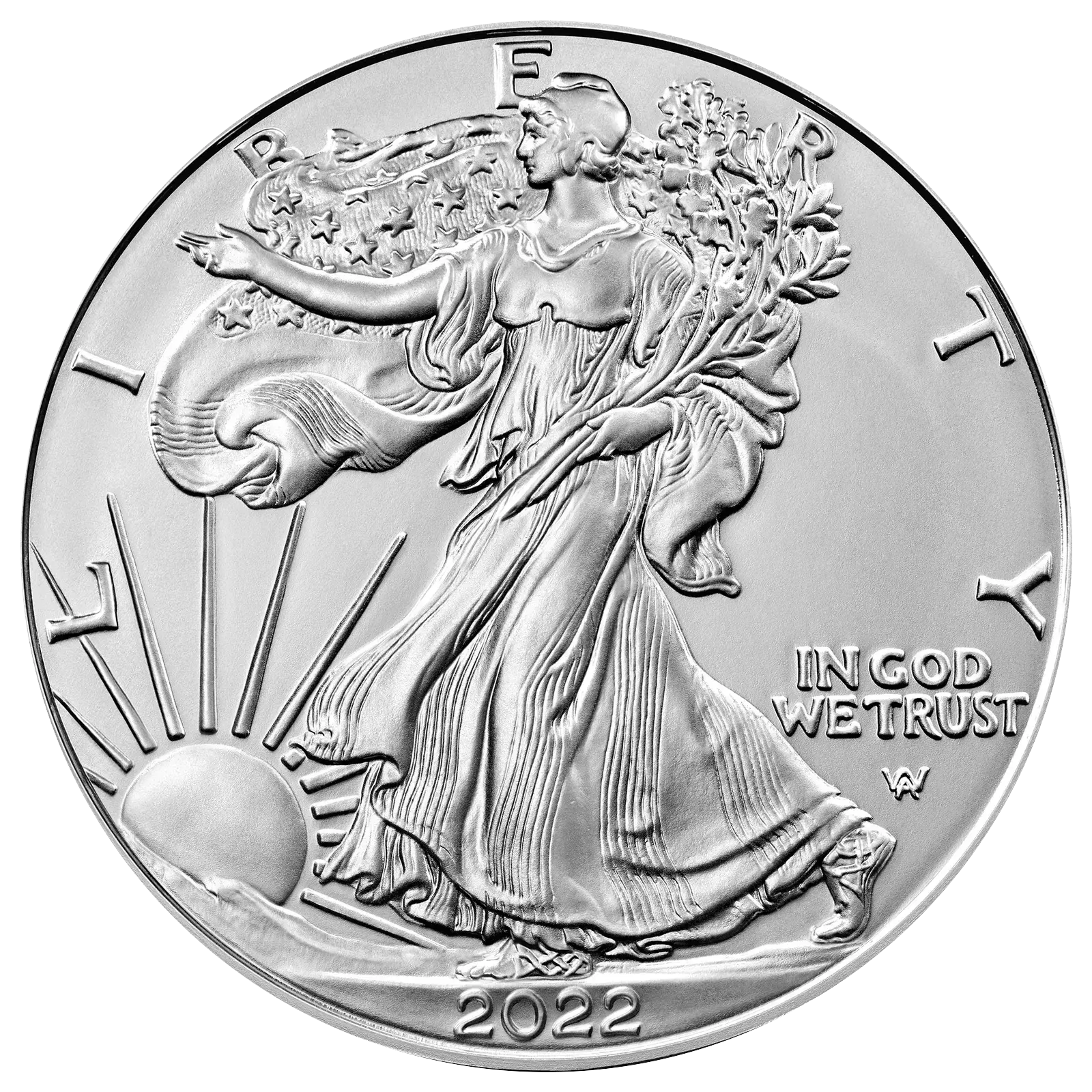
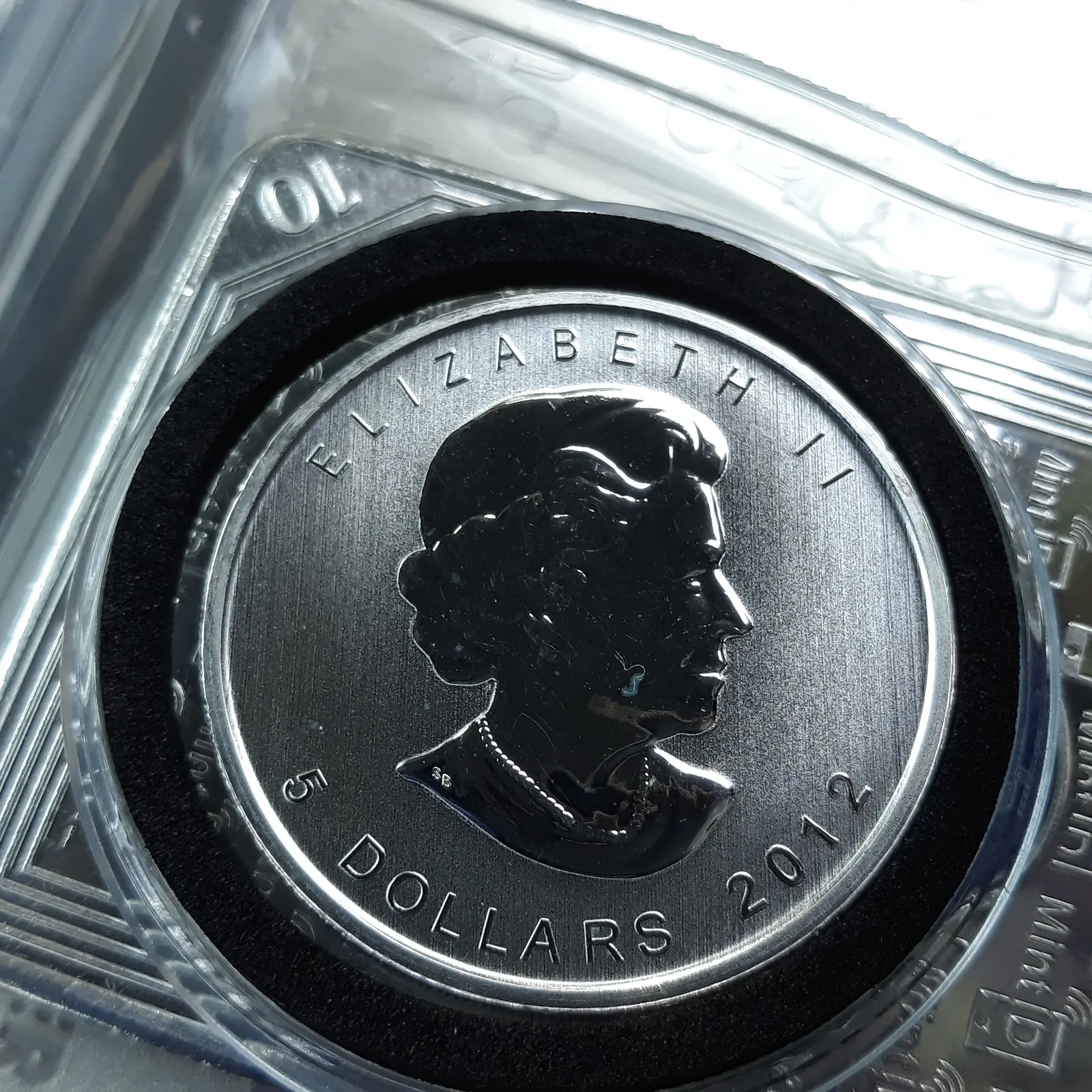
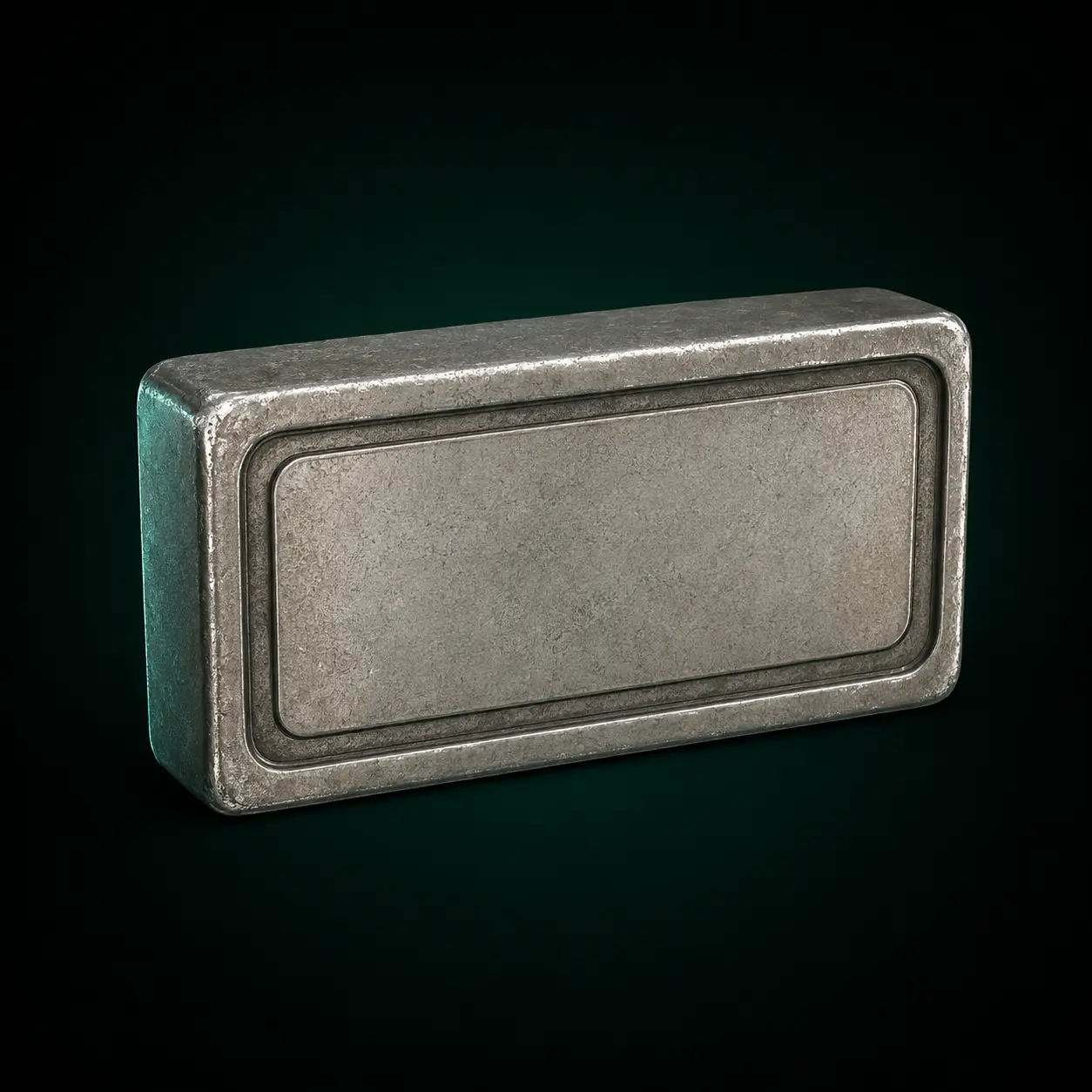
For a first purchase, simplicity has value. A widely recognized one-ounce government bullion coin, generic round from an established mint, or standard bar gives you clear specifications and many comparable listings. Collector editions can be enjoyable, but their design, scarcity, condition, and packaging may add a premium that is harder for a beginner to evaluate.
Confirm whether the stated weight is fine-silver content or gross weight, read the fineness, and identify the issuing mint or refiner. A round is not a government coin merely because it is circular, dated, or carries a coin-like design.
Set a comparison before you shop
Pick one exact product and payment method, then compare it across several dealers at roughly the same time. Record the spot reference, item price, payment surcharge, shipping, insurance, and any applicable tax. Changing from a cash price to a card price—or comparing a single coin with a tube price—can make a headline comparison misleading.
Calculate both the total premium and premium per fine ounce. Then look at the dealer's published return, cancellation, shipping, and buyback information. A small difference in advertised premium can disappear after delivery costs.
- Use a purchase amount that will not disturb your emergency savings or near-term bills.
- Prefer written product specifications and written fees over promises made by phone.
- Save the order confirmation and photograph the package and product after delivery.
Evaluate the seller, not just the product
The CFTC advises buyers to research dealer history, compare premiums and fees, and avoid cold calls, unsolicited messages, high-pressure tactics, and promises of large returns with little risk. Search for complaints, confirm contact information, and understand how payment and delivery disputes are handled before sending money.
A familiar brand name is not a substitute for reading the current terms. Dealer inventory, payment policies, shipping thresholds, and buyback quotes can change. If a seller will not clearly state where the metal is, when it ships, or how all fees are calculated, stop the transaction.
Receive, document, and review
When the package arrives, compare the piece with the listing and official specifications before removing packaging that may matter to collectors. Check the quantity, visible markings, weight, dimensions, and condition. A single home test does not prove composition; use professional verification for a questionable or high-value item.
Record the total amount paid, purchase date, seller, spot reference, quantity, and identifying details. Those records make it easier to understand your cost basis, insure a collection, compare future purchases, and estimate a realistic result when you eventually sell.
Ouncebound helps organize a collection, but it does not replace professional authentication, tax advice, insurance advice, or dealer due diligence.
Common questions
Answers without the sales pitch.
How much silver should a beginner buy?
There is no universal amount. A first purchase should be small enough that you can learn how pricing, delivery, verification, storage, and resale work without affecting emergency savings or near-term expenses.
Are silver coins better than bars for beginners?
Government bullion coins can be highly recognizable, while standard bars and rounds may cost less per ounce. The better first product is one you can verify, price across several sellers, store safely, and later resell.
Should I buy silver when spot price is falling?
A short-term price move cannot tell you whether a purchase is suitable. Focus on your purpose, budget, total premium, diversification, and ability to hold through price changes rather than trying to identify a guaranteed entry point.
Primary references
Sources and further reading.
Ouncebound summarizes these sources for general education. Product specifications and market practices can change; verify the exact piece before buying or selling.
The Silver Brief
Keep the framework. Skip the daily noise.
Occasional price context, buying notes, and new archive research—written to be useful, not urgent.