The short version
- Inventory the exact item and fine-silver content before requesting quotes.
- Compare net proceeds after testing, shipping, marketplace, payment, and other fees.
- Keep purchase and sale records because basis and gain-or-loss reporting can matter.
Sort bullion from collectibles
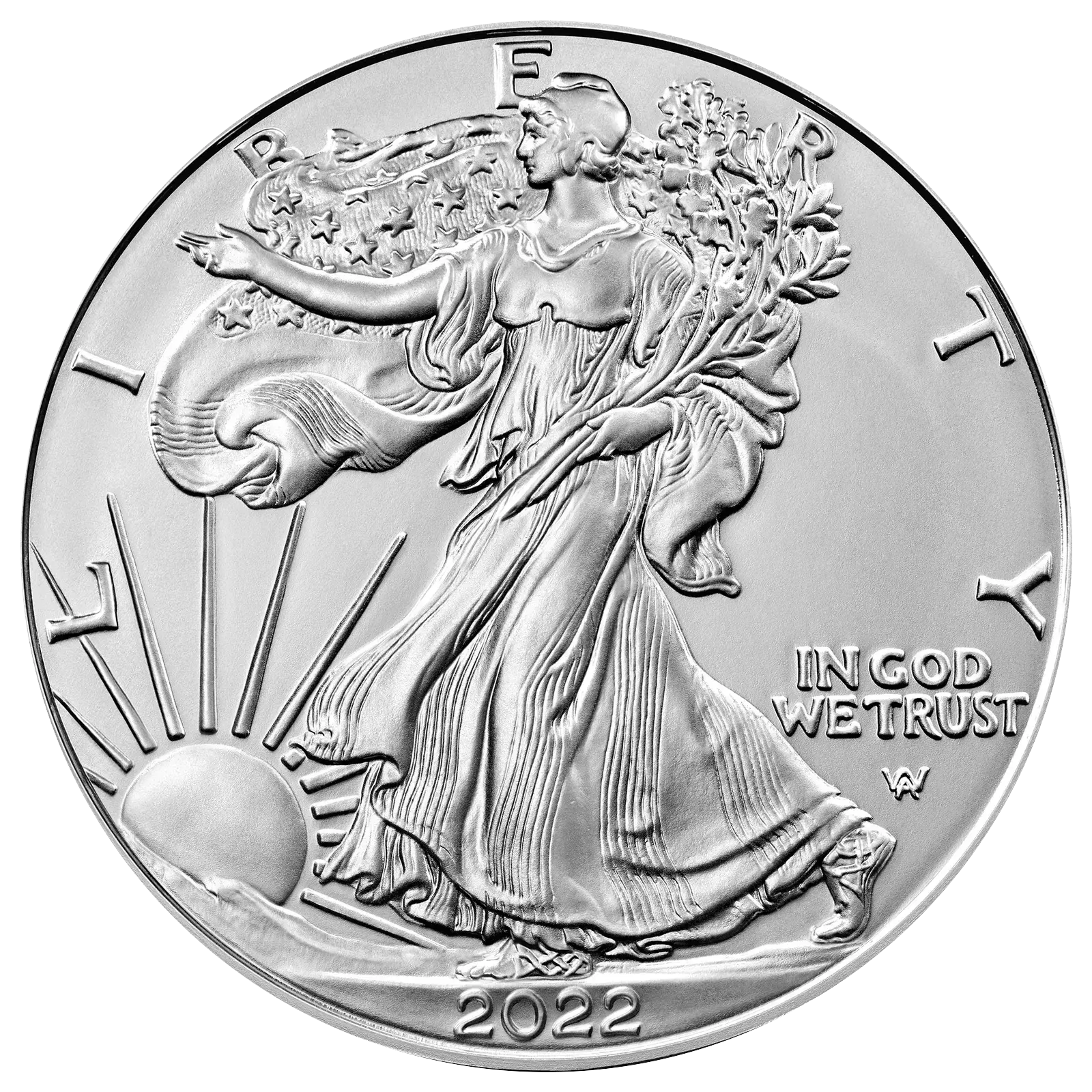
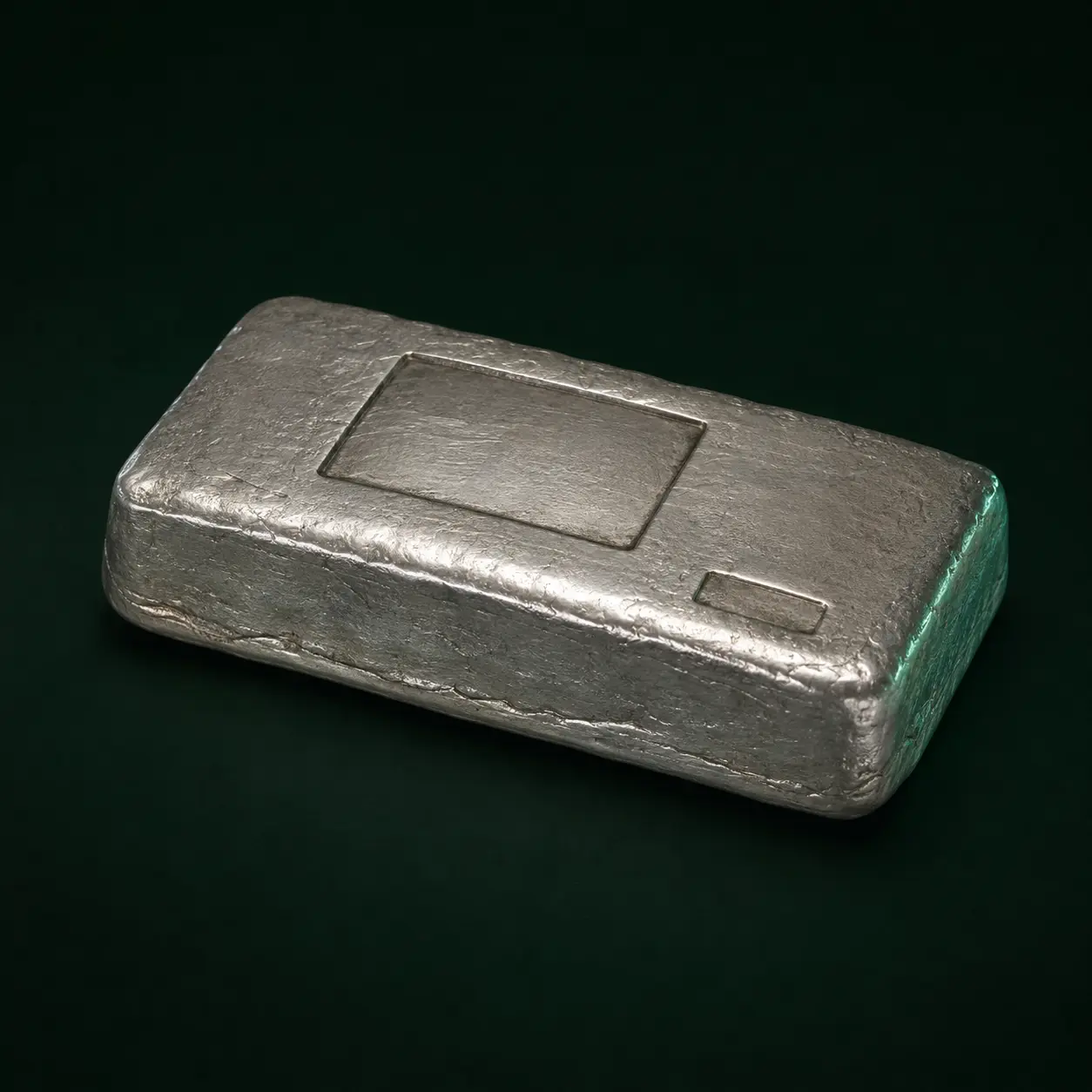
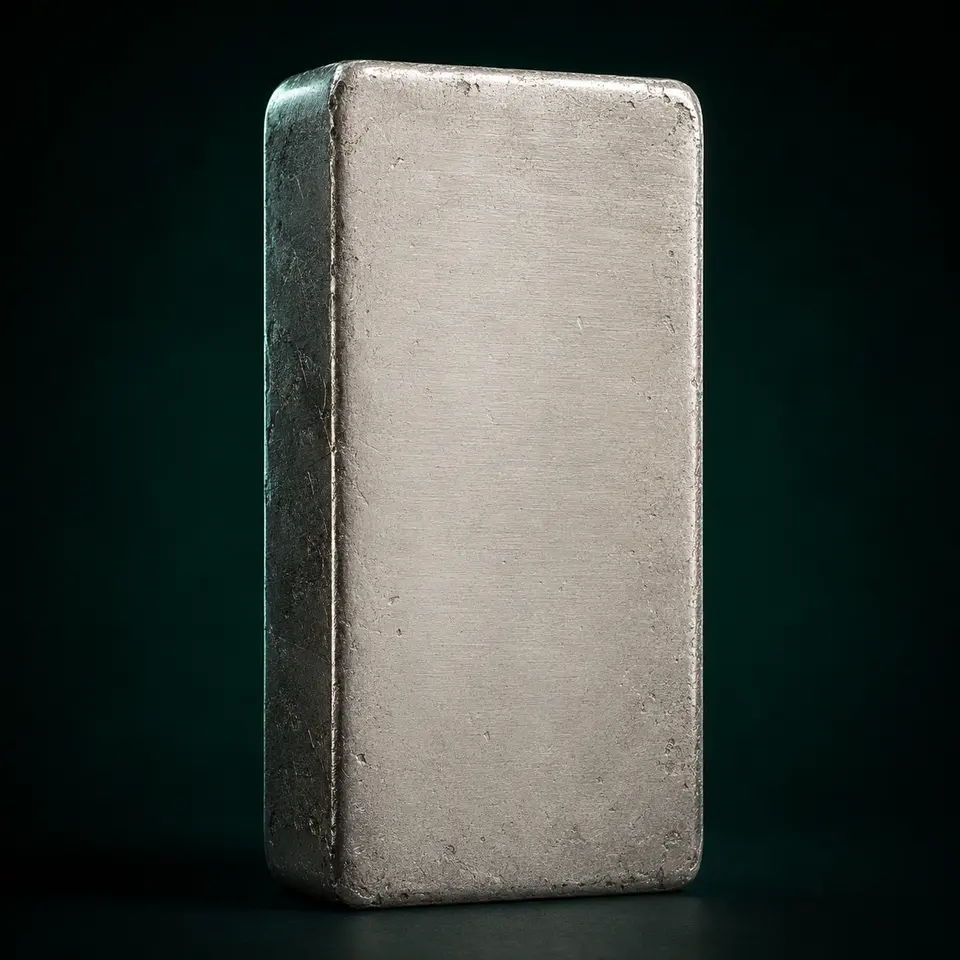
Standard bars, common bullion coins, and generic rounds are often quoted from metal content plus or minus a product premium. Scarce dates, proofs, graded coins, vintage poured bars, rare hallmarks, and intact original packaging may require specialist research. Selling a collectible as generic metal can leave meaningful value unrecognized.
Do not clean an item to make it more saleable before identifying it. Photograph both sides, markings, serials, packaging, and condition, then compare with official specifications and documented examples.
Request comparable bids
Ask multiple buyers for a bid on the exact product and quantity at approximately the same spot price. Confirm whether the quote is firm or indicative, how long it lasts, how testing can change it, when payment is issued, and whether any fees are deducted.
A local dealer may offer speed and avoid shipping. A large online dealer may provide a published process and a broad market. A private sale may produce a higher price but adds marketplace fees, payment risk, shipping risk, and more work. Compare net proceeds and risk—not just the headline number.
Measure the spread honestly
Use the same spot reference to express each offer per fine ounce and as a percentage above or below melt. Then subtract shipping, insurance, testing, marketplace, payment, and travel costs. The result is the amount you can actually compare.
For a future purchase, record both the retail ask and immediate buyback bid. That round-trip spread is often more informative than the purchase premium alone because it shows how much the market would require to move before the position breaks even, assuming the spread remains similar.
Document the transaction
Keep the buyer, date, product, quantity, proceeds, fees, payment record, and any shipping or testing documents. The IRS describes basis as the amount invested in property and states that accurate records are needed to compute gain or loss when property is sold or otherwise disposed of.
Tax treatment can depend on the product, holding period, transaction, jurisdiction, and your circumstances. Use current IRS guidance and a qualified tax professional rather than assuming all bullion sales are reported or taxed the same way.
For private transactions, meet in a secure setting, verify payment, protect personal information, and follow applicable laws. If a transaction feels pressured or unclear, walk away.
Common questions
Answers without the sales pitch.
Where can I sell physical silver?
Common options include local coin shops, bullion dealers, online dealer buyback programs, auctions, and private marketplaces. Compare net proceeds, verification, payment timing, fees, shipping, and personal-safety risks.
Will a dealer pay spot price for silver?
A dealer may bid below spot, at spot, or above spot depending on product, quantity, condition, inventory, and demand. Ask for a quote on the exact item rather than assuming a universal policy.
Do I need purchase records when selling silver?
Records help identify your cost basis and calculate gain or loss. Tax rules are circumstance-specific, so retain purchase and sale documents and consult current IRS guidance or a qualified professional.
Primary references
Sources and further reading.
Ouncebound summarizes these sources for general education. Product specifications and market practices can change; verify the exact piece before buying or selling.
The Silver Brief
Keep the framework. Skip the daily noise.
Occasional price context, buying notes, and new archive research—written to be useful, not urgent.