The short version
- Read the maker, stated weight, fineness, date or production code, and serial number as separate fields.
- Compare against an official specification for the exact size and year whenever one exists.
- A magnet, scale, or visual check can reveal problems but no single home test proves composition.
The core marks
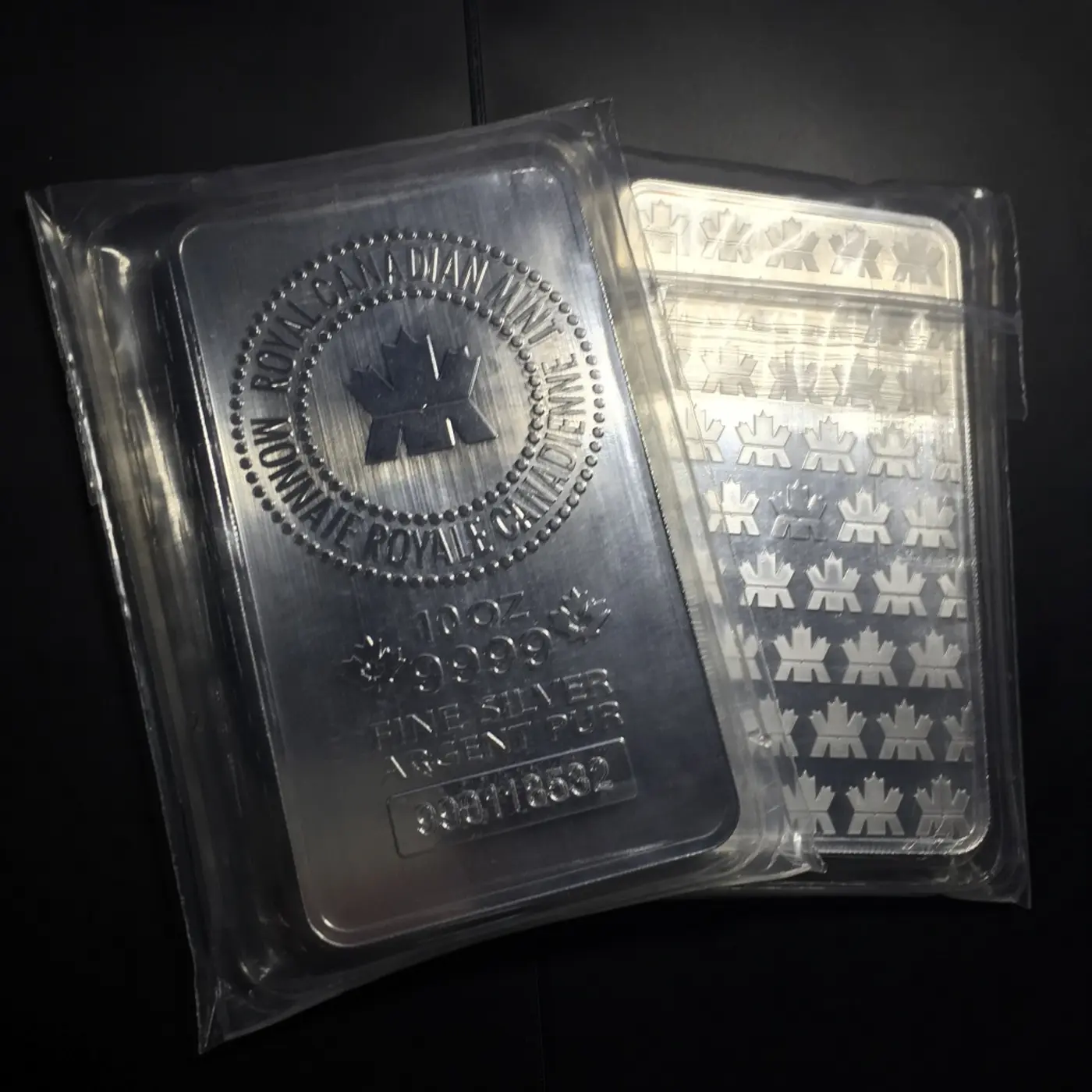
Start with the refiner or mint hallmark. Then identify the stated mass and unit: troy ounces, grams, or kilograms. Read fineness as parts per thousand—.999 means 999 parts silver per 1,000, while .9999 means 999.9 parts per 1,000. Do not confuse a decorative number, denomination, or serial with purity.
Wholesale LBMA silver bars are expected to carry a refiner stamp, gross troy-ounce weight, fineness, serial number, and—on newer production—manufacturing month and year. Retail products vary, but this is a useful example of marks working as a system rather than a single logo.
Dates are product-specific
A visible date may be an issue year, manufacturing year, copyright date, commemorative anniversary, or security code. Match it to the mint's documentation before treating it as the catalog year. Some undated bars use serial ranges or packaging generations instead.
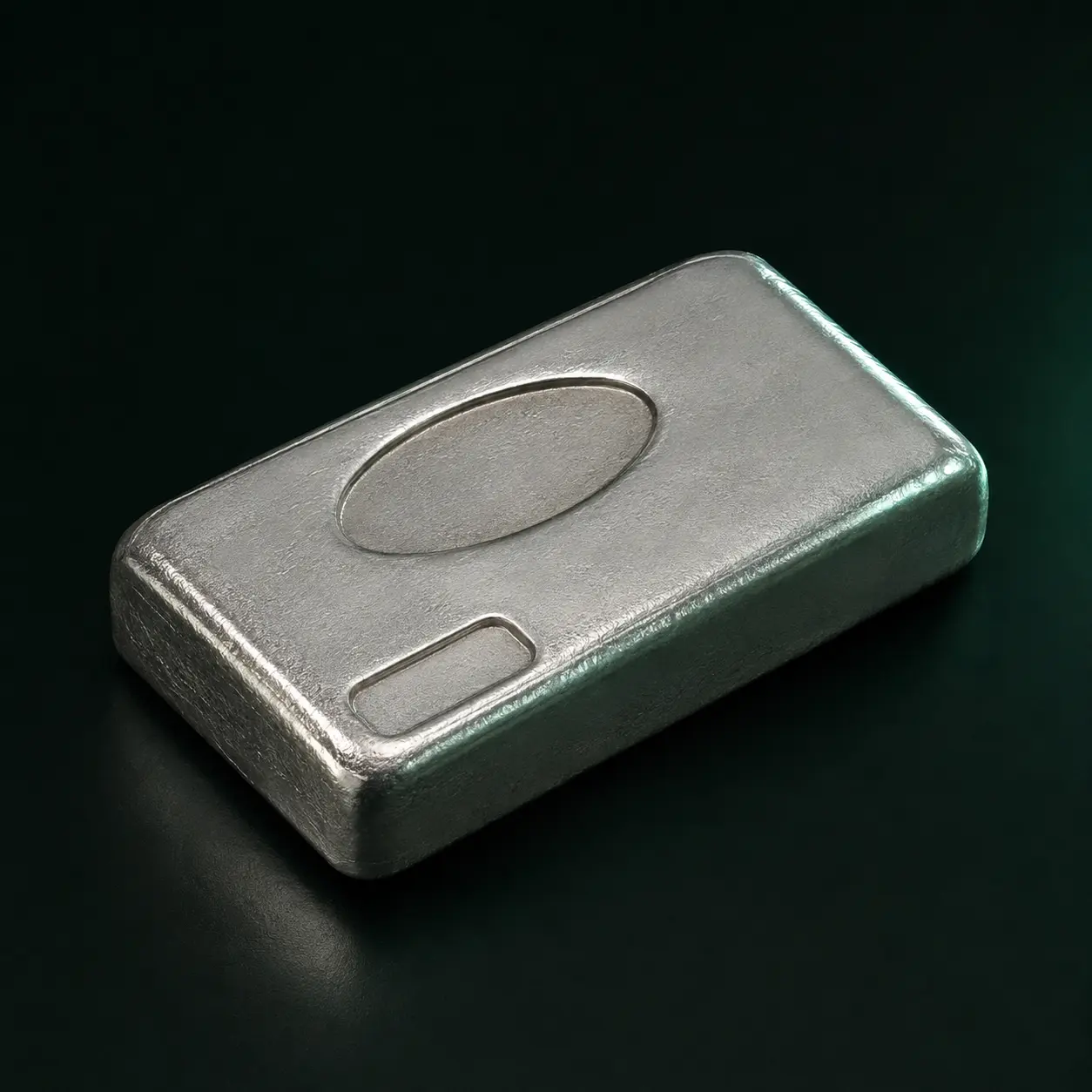
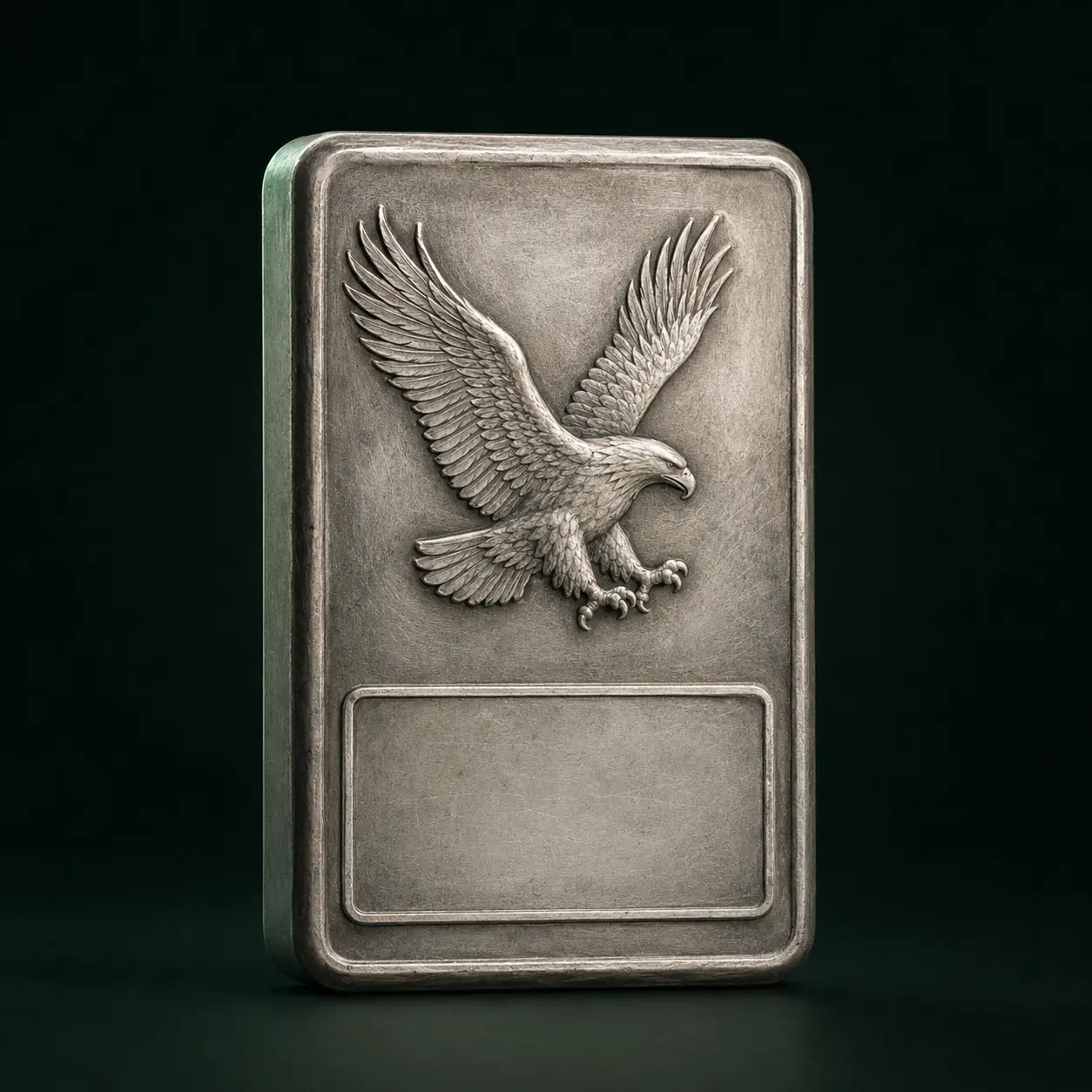
Ouncebound groups annual designs where appropriate and labels digital renders as representative. When a visible year is important to a catalog record, report any mismatch so the record and render can be reviewed together.
Use measurements as a consistency check
A calibrated scale and calipers can test whether weight and dimensions are consistent with the official specification. Silver's density means an object with the correct weight but the wrong thickness or diameter deserves more scrutiny. Account for stated manufacturing tolerances, especially on cast bars.
Magnet response, sound, and conductivity tools can add evidence, but each has limitations and can be imitated. High-value or questionable pieces may justify professional testing such as XRF, ultrasound, specific-gravity measurement, or assay by a qualified dealer or refiner.
Packaging and security features
Modern products may include micro-engraving, radial line patterns, holograms, serialized assay cards, or tamper-evident packaging. Compare placement and typography with the maker's official page for that exact production year. Counterfeit packaging exists, so a sealed card should support—not replace—the physical checks.
Avoid destructive testing or cleaning a potentially collectible piece before researching it. Keep receipts, record the seller, photograph both sides, and preserve any original packaging. If a seller applies pressure, guarantees profit, or refuses written specifications and return terms, walk away.
When value is significant, independent professional authentication is cheaper than confidence based on one home test.
Primary references
Sources and further reading.
Ouncebound summarizes these sources for general education. Product specifications and market practices can change; verify the exact piece before buying or selling.
The Silver Brief
Keep the framework. Skip the daily noise.
Occasional price context, buying notes, and new archive research—written to be useful, not urgent.