The short version
- The Silver Eagle is .999 fine; the Silver Maple Leaf is .9999 fine. Each contains one troy ounce of silver.
- Both are government-issued bullion coins, but premiums and buyer familiarity can differ by market.
- Compare ordinary bullion versions of the same year and condition—not proofs, graded coins, privy issues, or scarce varieties.
What each coin guarantees
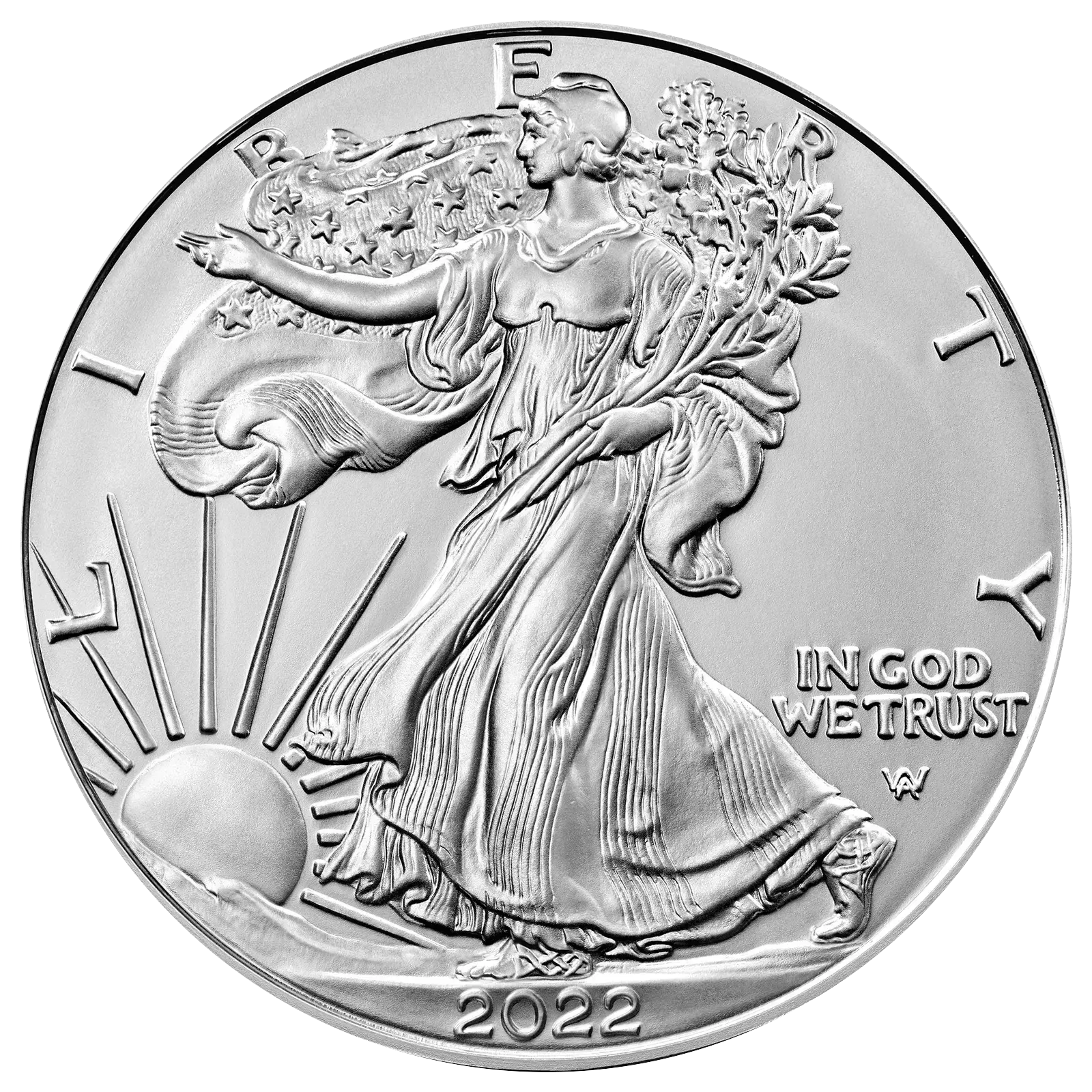
The United States Mint states that the American Silver Eagle contains one troy ounce of 99.9 percent silver and carries a one-dollar denomination. The bullion program began in 1986, and the Mint guarantees the coin's weight, content, and purity.
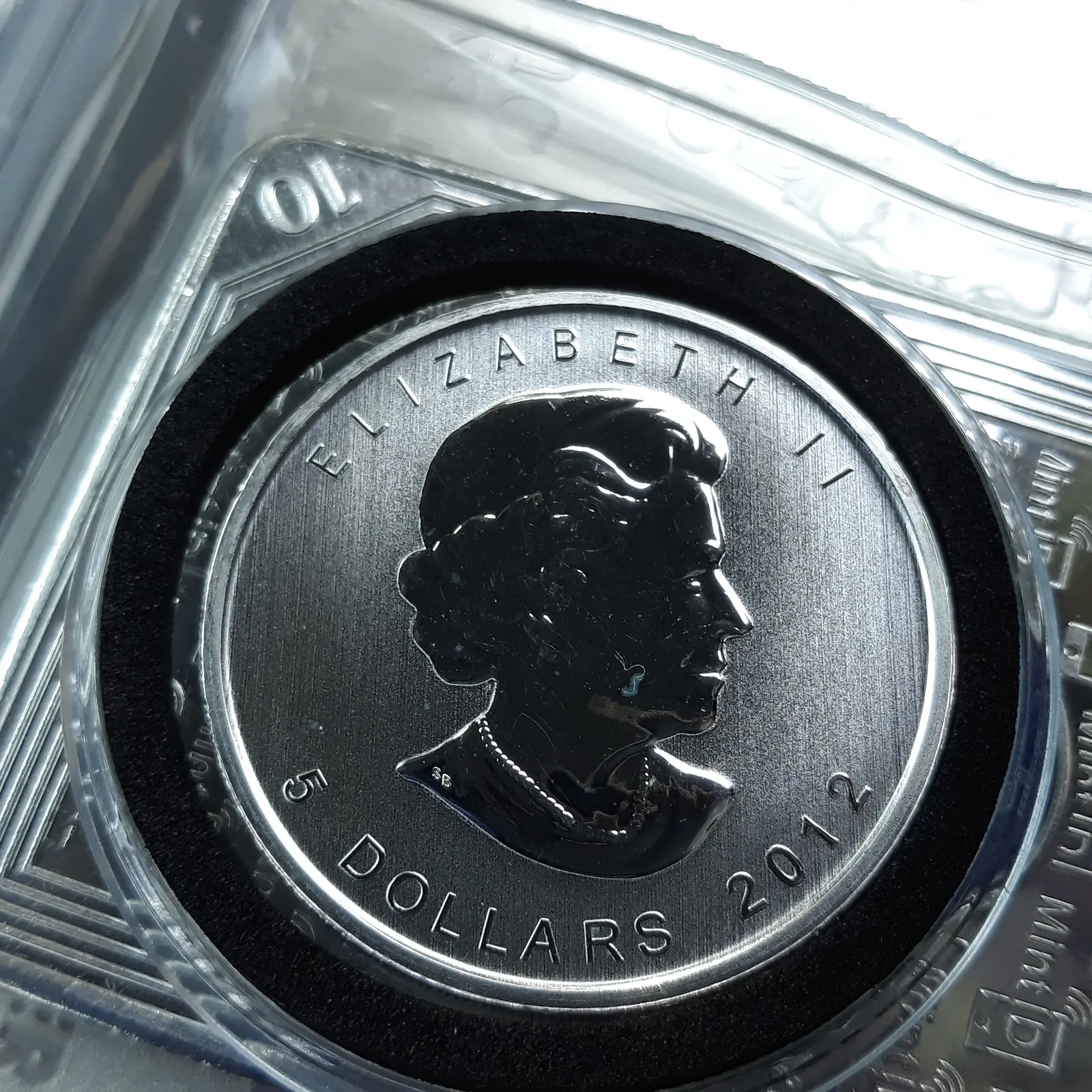
The Royal Canadian Mint introduced the Silver Maple Leaf in 1988. The series contains one troy ounce of .9999 fine silver and carries a five-dollar Canadian denomination. Face value is nominal for both coins; their bullion value comes from silver content and market demand.
Design and security generations
The Silver Eagle uses Adolph A. Weinman's Walking Liberty on the obverse. Its reverse changed during 2021 from John Mercanti's heraldic eagle to Emily Damstra's landing eagle, creating Type 1 and Type 2 generations.
The Maple Leaf uses Walter Ott's maple design and a portrait of Canada's monarch. Later issues added radial-line engraving and a micro-engraved maple security mark. When buying a dated coin, compare its features with the specification for that exact year rather than a generic stock image.
Premium and resale are local questions
Silver Eagles often carry strong recognition in the United States, while Maple Leafs are a major international bullion series and may price differently by dealer and region. A higher retail premium does not guarantee a proportionally higher resale premium.
Collect comparable delivered quotes on the same quantity and payment method, then request current buyback bids. Divide the difference between ask and bid by the coin's silver content to compare the immediate spread.
- Compare ungraded bullion coins with ungraded bullion coins.
- Keep year, condition, quantity, and payment type consistent.
- Treat milk spots, toning, capsules, and packaging according to the buyer's stated policy.
Choose by job, not by flag
Choose the Eagle when its U.S. recognition, series history, and current spread fit your goal. Choose the Maple Leaf when four-nines purity, its security features, or its delivered price and buyback market are more attractive. Owning both can diversify design and resale channels, but buying both is not required for a functional bullion stack.
The decision should survive a simple question: what are you paying above melt, and what would a realistic buyer pay today? If the extra premium is for collecting enjoyment, name it as a collector expense rather than disguising it as guaranteed investment value.
Common questions
Answers without the sales pitch.
Which is better, a Silver Eagle or Maple Leaf?
Neither is universally better. Compare delivered premium, current buyback spread, recognition among your likely buyers, condition, and which design or security features matter to you.
Does .9999 silver contain more than .999 silver?
The Maple Leaf has higher fineness, but both standard bullion coins are specified as containing one troy ounce of silver. Fineness alone does not determine the better retail or resale value.
Which coin is easier to sell?
Silver Eagles can have especially strong U.S. recognition, while Maple Leafs are widely traded sovereign bullion. Actual bids depend on location, dealer inventory, quantity, condition, and current demand.
Primary references
Sources and further reading.
Ouncebound summarizes these sources for general education. Product specifications and market practices can change; verify the exact piece before buying or selling.
The Silver Brief
Keep the framework. Skip the daily noise.
Occasional price context, buying notes, and new archive research—written to be useful, not urgent.