The short version
- Melt value equals fine-silver ounces multiplied by the current spot price.
- Premium can be measured in dollars per ounce or as a percentage of melt value.
- The buy price and the dealer's repurchase price are different; compare the full spread before buying.
What spot price represents
Spot is a wholesale market reference quoted per troy ounce. One troy ounce equals 31.1034768 grams, which is heavier than the everyday avoirdupois ounce used for groceries. Ouncebound's ticker uses USD per troy ounce and converts from that same unit in the calculator.
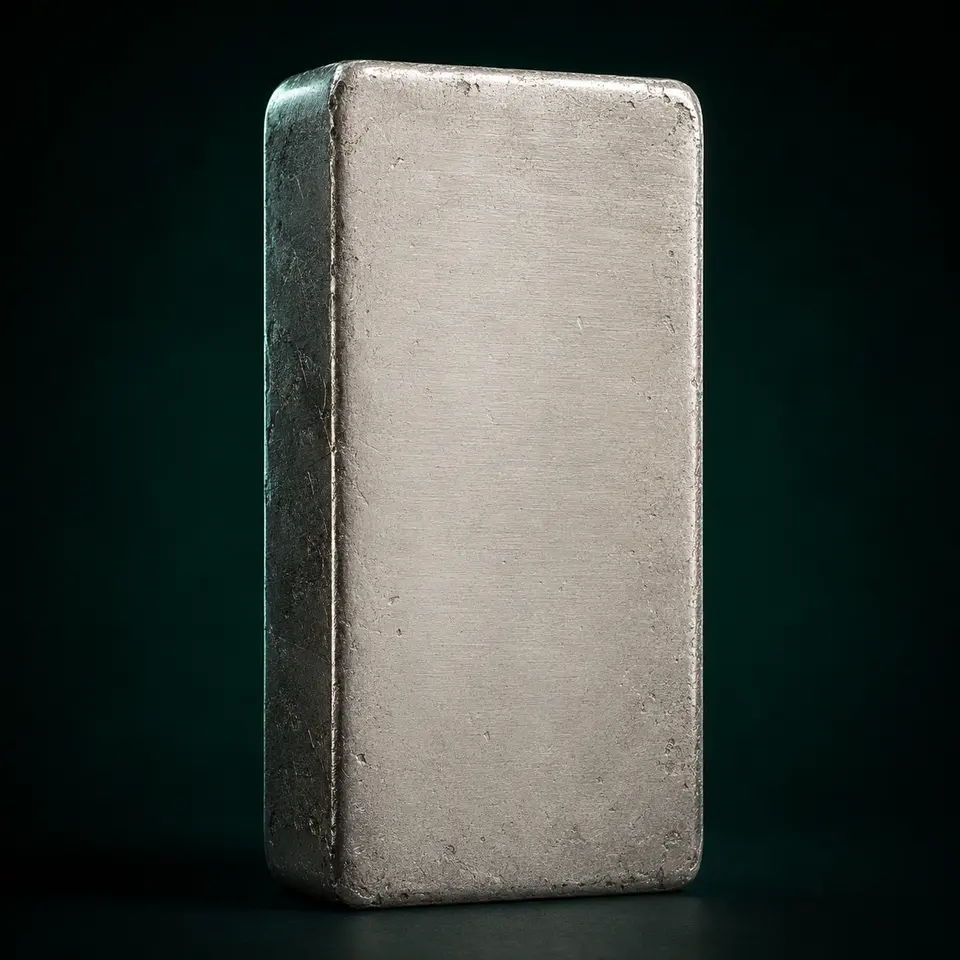
Physical retail products are much smaller and more varied than the roughly 1,000-troy-ounce silver bars used in the London wholesale market. Turning wholesale metal into a sealed one-ounce bar or a detailed government coin adds real costs, so a legitimate retail quote above spot is normal.
Calculate melt value and premium
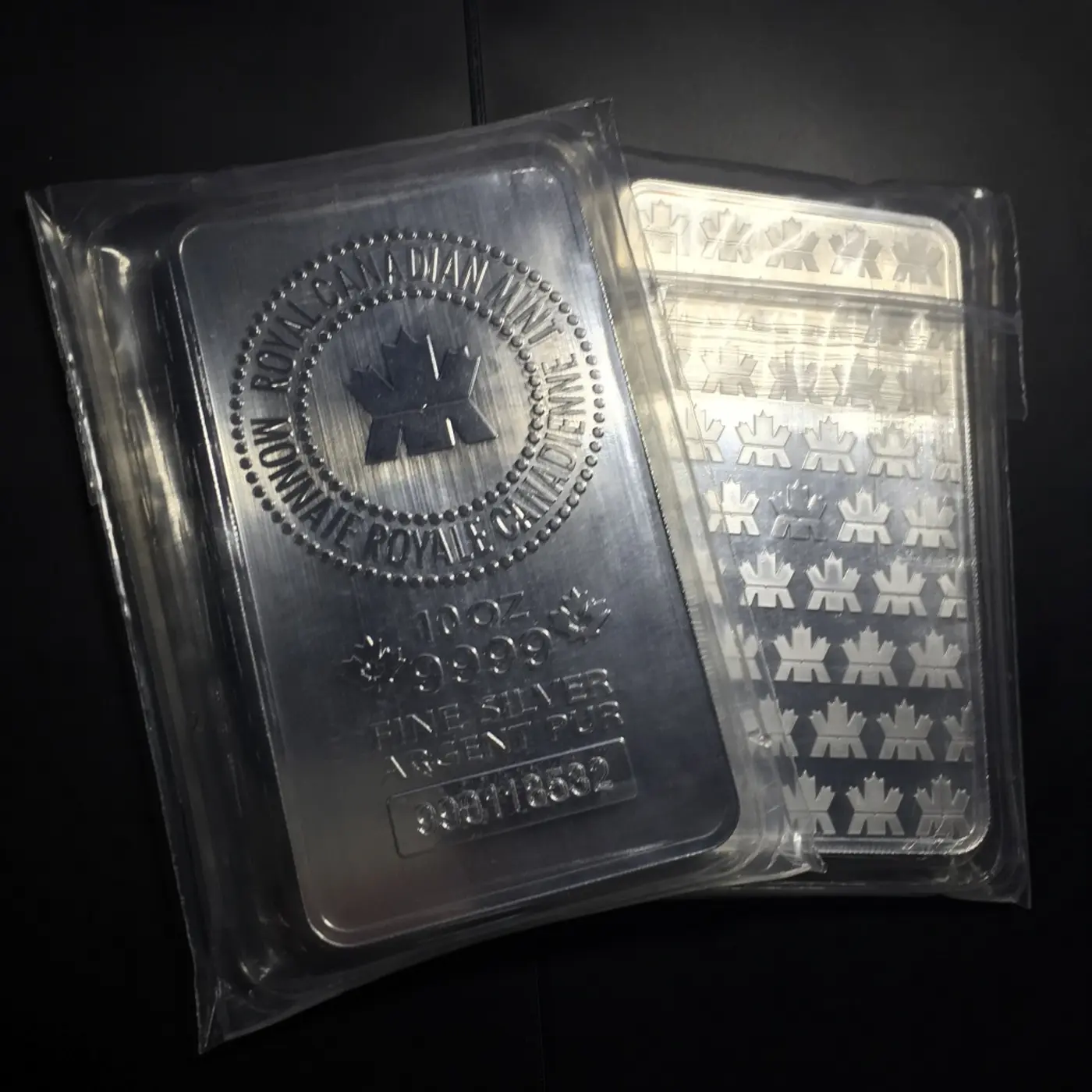
For a product already stated in fine troy ounces, melt value is straightforward: fine ounces × spot price. A ten-ounce .999 bar is generally marketed as containing ten troy ounces of silver; the .999 marking describes fineness, not a reason to multiply its advertised fine-silver content by .999 again unless the product specification says the listed weight is gross weight.
Dollar premium equals retail price minus melt value. Premium per ounce equals that difference divided by fine ounces. Premium percentage is the dollar premium divided by melt value. Always use the same live spot reference and timestamp when comparing dealers.
Example: at $30 spot, a 10 oz bar has a $300 melt reference. A $330 price is a $30 total premium, $3 per ounce, or 10% above melt before tax and shipping.
Why premiums move independently
Premiums can widen when retail demand rises faster than available inventory, even if spot is flat. They can narrow when dealers have excess stock. Small formats, intricate finishes, licensed designs, government distribution, scarce dates, payment method, and minimum-order shipping can all change the effective premium.
The resale side matters just as much. A dealer may offer spot, below spot, or above spot depending on the product and current demand. Your true round-trip spread is the difference between what you pay and what a realistic buyer would pay you at the same market price.
- Compare delivered price, including card fees, shipping, insurance, and applicable tax.
- Ask for the dealer's current buyback quote on the same item.
- Be skeptical of urgency, guaranteed returns, and unusually large collectible markups.
Use spot as a ruler, not a promise
A live ticker is useful for consistent comparison, but no public feed guarantees the exact executable price at every dealer. Quotes can be delayed, and retail inventory can change quickly. Record your total paid amount and the spot price at purchase so you can separate metal movement from premium movement later.
Primary references
Sources and further reading.
Ouncebound summarizes these sources for general education. Product specifications and market practices can change; verify the exact piece before buying or selling.
The Silver Brief
Keep the framework. Skip the daily noise.
Occasional price context, buying notes, and new archive research—written to be useful, not urgent.