The short version
- Separate physical security, environmental protection, and documentation—they solve different risks.
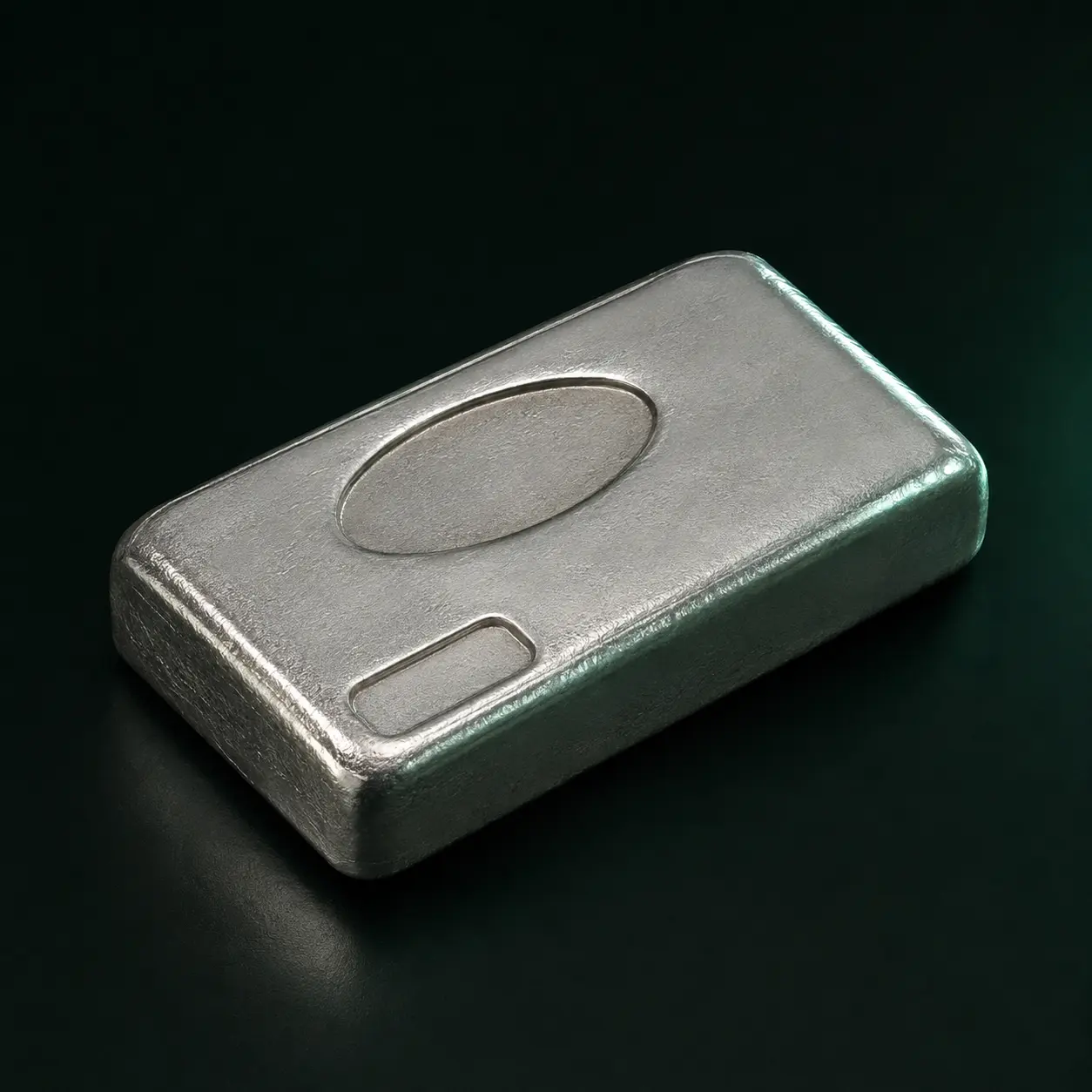
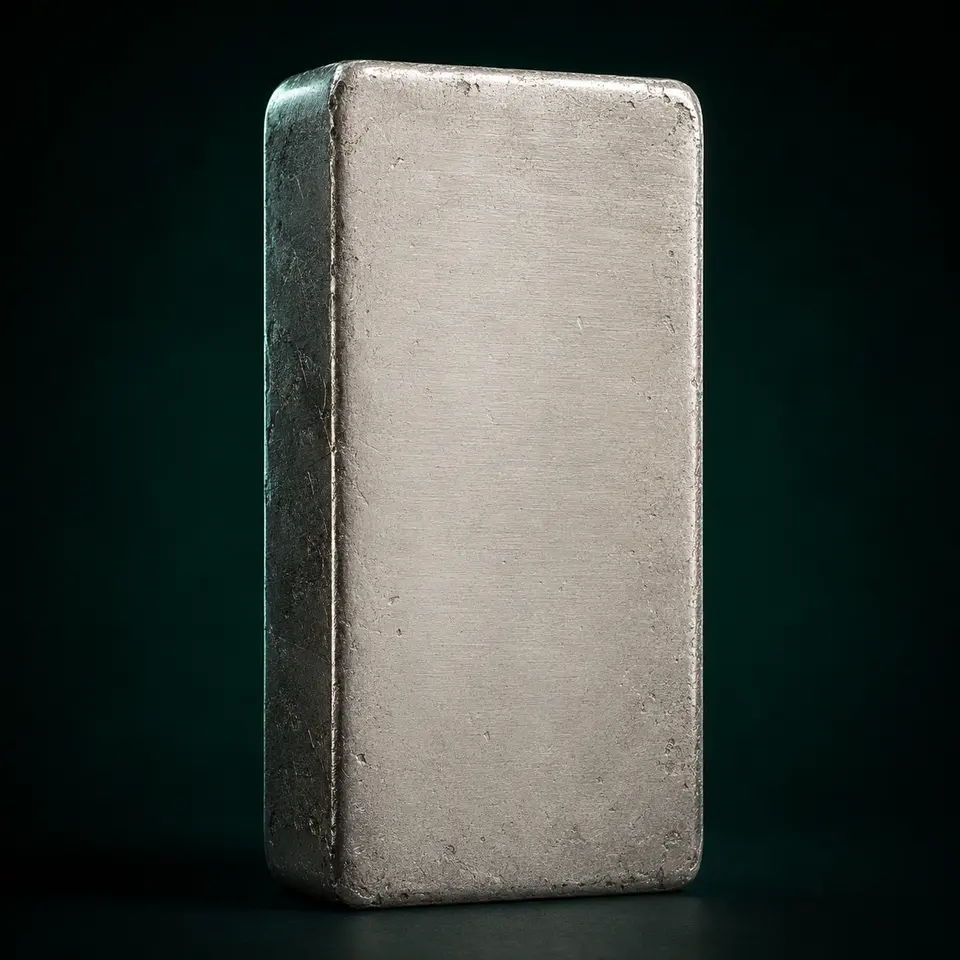
- Handle collectible coins and finished bars by the edges and avoid casual polishing or cleaning.
- Keep an inventory and proof of purchase in a location separate from the collection itself.
Choose a security model
Home storage offers immediate access but makes safe quality, concealment, household privacy, fire and water exposure, and insurance especially important. A bank safe-deposit box separates the collection from the home, but access hours, bank terms, disaster procedures, and insurance still need review. Third-party vaulting adds another custodian whose ownership records, audits, withdrawal process, fees, and insurance require due diligence.
A collection can be divided across methods rather than concentrated in one place. Whatever you choose, limit unnecessary disclosure about where the metal is stored and who can access it.
Protect surfaces and packaging
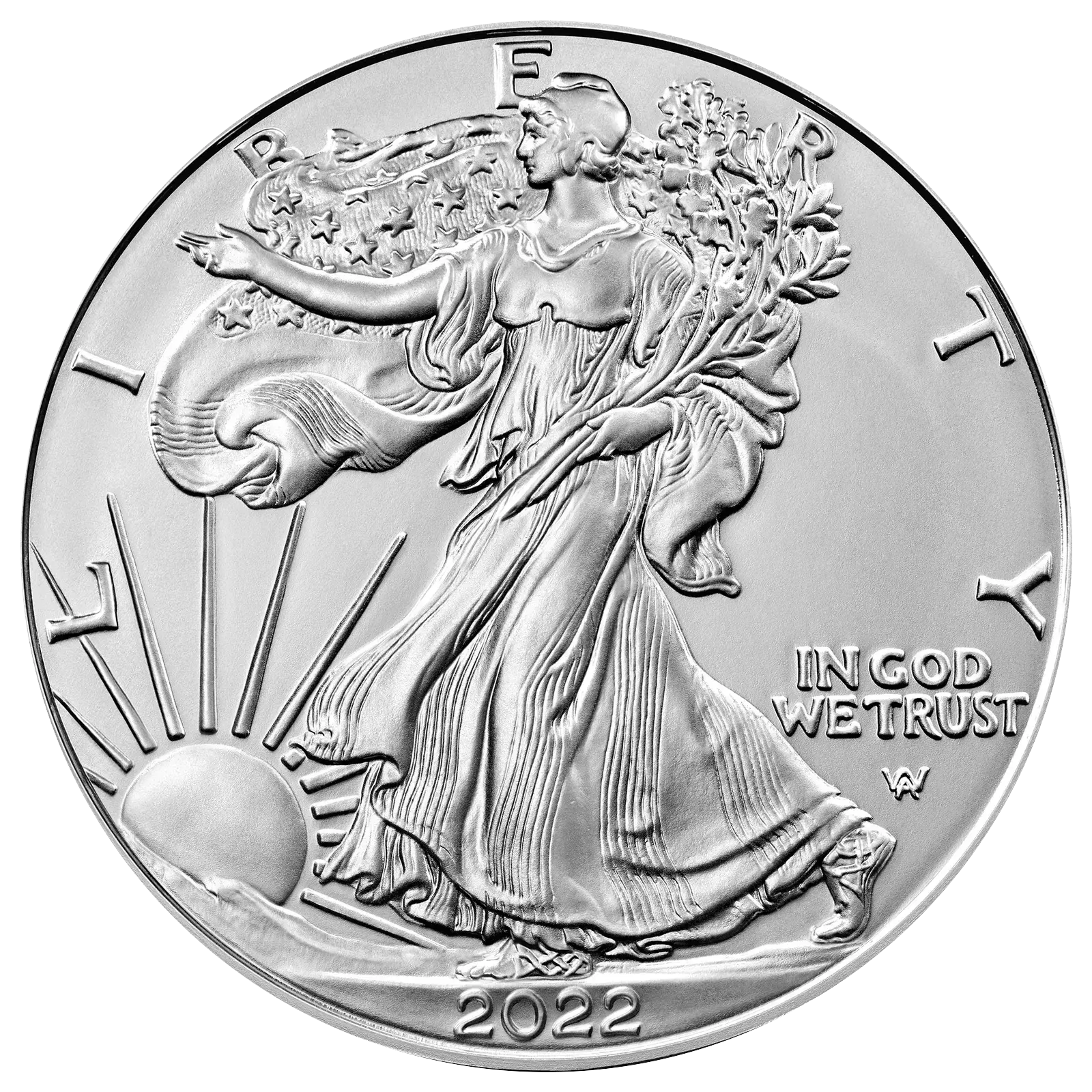
The U.S. Mint recommends handling coins carefully and notes that rubbing or brushing can scratch them. Hold condition-sensitive coins by the edges over a soft surface, keep food and liquids away, and use holders made for long-term coin storage. Avoid materials that can release chemicals or trap moisture against the metal.
Toning does not reduce silver content, but cleaning can permanently alter a collector surface. Research the exact item before removing an assay card, capsule, mint packaging, or old holder that may support provenance or resale value.
Create an off-site record
Maintain an inventory with photographs, maker, product, weight, purity, quantity, serial number when present, purchase date, seller, and total cost. Store a protected copy separately from the metal so theft or disaster does not destroy both the property and the proof that it existed.
The FTC recommends reviewing household inventories, fireproof storage, safe-deposit boxes, and digital records periodically. Update your record after purchases, sales, gifts, moves, and changes to insurance coverage.
Verify insurance and access
Do not assume a homeowners, renters, bank, or vault policy covers the collection to its full value. Read exclusions, sublimits, appraisal requirements, proof-of-loss rules, and whether coverage follows replacement value, market value, or another definition. Ask the insurer or custodian to explain uncertain terms in writing.
Plan for trusted access in an emergency without publishing the location broadly. Estate documents, account ownership, keys, combinations, and vault instructions should be coordinated with qualified legal and insurance professionals.
Security details should stay private. Ouncebound collection pages are account-only, but an inventory should still avoid storing safe combinations or exact hidden locations.
Common questions
Answers without the sales pitch.
Should silver be stored in plastic?
Purpose-made capsules, tubes, and inert holders can protect surfaces. Avoid unknown soft plastics and materials that may release chemicals. Preserve original packaging when it contributes to identification or collector value.
Does tarnish reduce silver value?
Toning does not change the amount of silver, but appearance can affect collector demand. Cleaning can cause scratches or permanently alter a surface, so research the exact item before attempting it.
Does homeowners insurance automatically cover silver?
Coverage varies and may have limits or exclusions for precious metals, cash-like property, or collectibles. Review the actual policy and obtain written guidance from the insurer.
Primary references
Sources and further reading.
Ouncebound summarizes these sources for general education. Product specifications and market practices can change; verify the exact piece before buying or selling.
The Silver Brief
Keep the framework. Skip the daily noise.
Occasional price context, buying notes, and new archive research—written to be useful, not urgent.