The short version
- One-ounce bars maximize divisibility; ten-ounce bars are a popular middle ground.
- A kilogram contains about 32.1507 troy ounces—not 35.274 troy ounces, which is the avoirdupois conversion.
- A lower premium is only useful when the bar is authentic, recognizable, and practical for you to store and resell.
One ounce: flexible but packaging-heavy
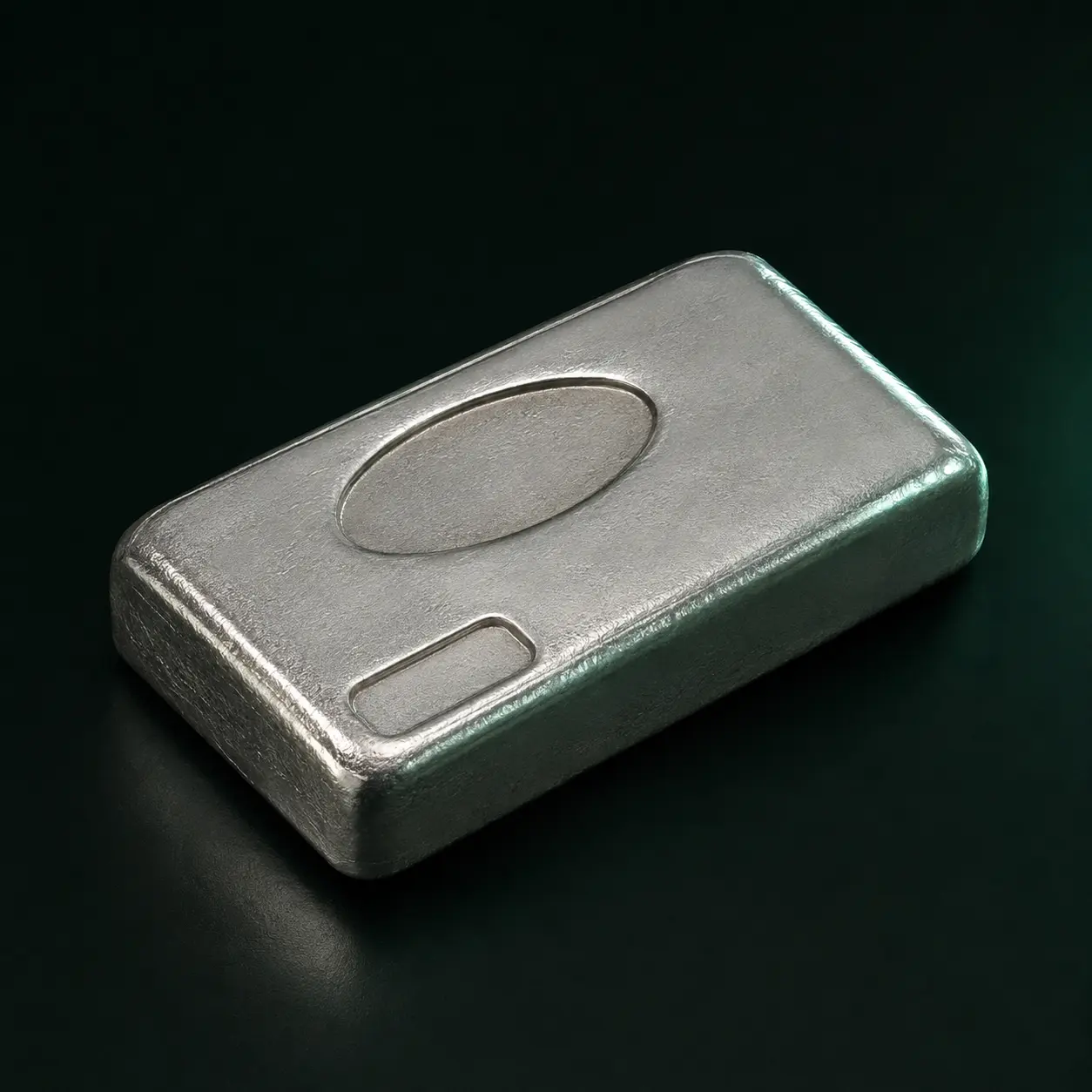
One-ounce bars keep each purchase and future sale small. They are easy to compare with one-ounce coins and rounds, and many mints use this size for detailed collectible designs. The tradeoff is more individual pieces, more packaging, and often a higher premium per ounce than a plain larger bar.
Five and ten ounces: the practical middle
Five-ounce bars remain approachable while feeling substantial. Ten-ounce bars are especially common among retail stackers because they consolidate storage without turning every sale into a large transaction. Availability and dealer recognition are usually more important than choosing between the two on a few cents of premium.
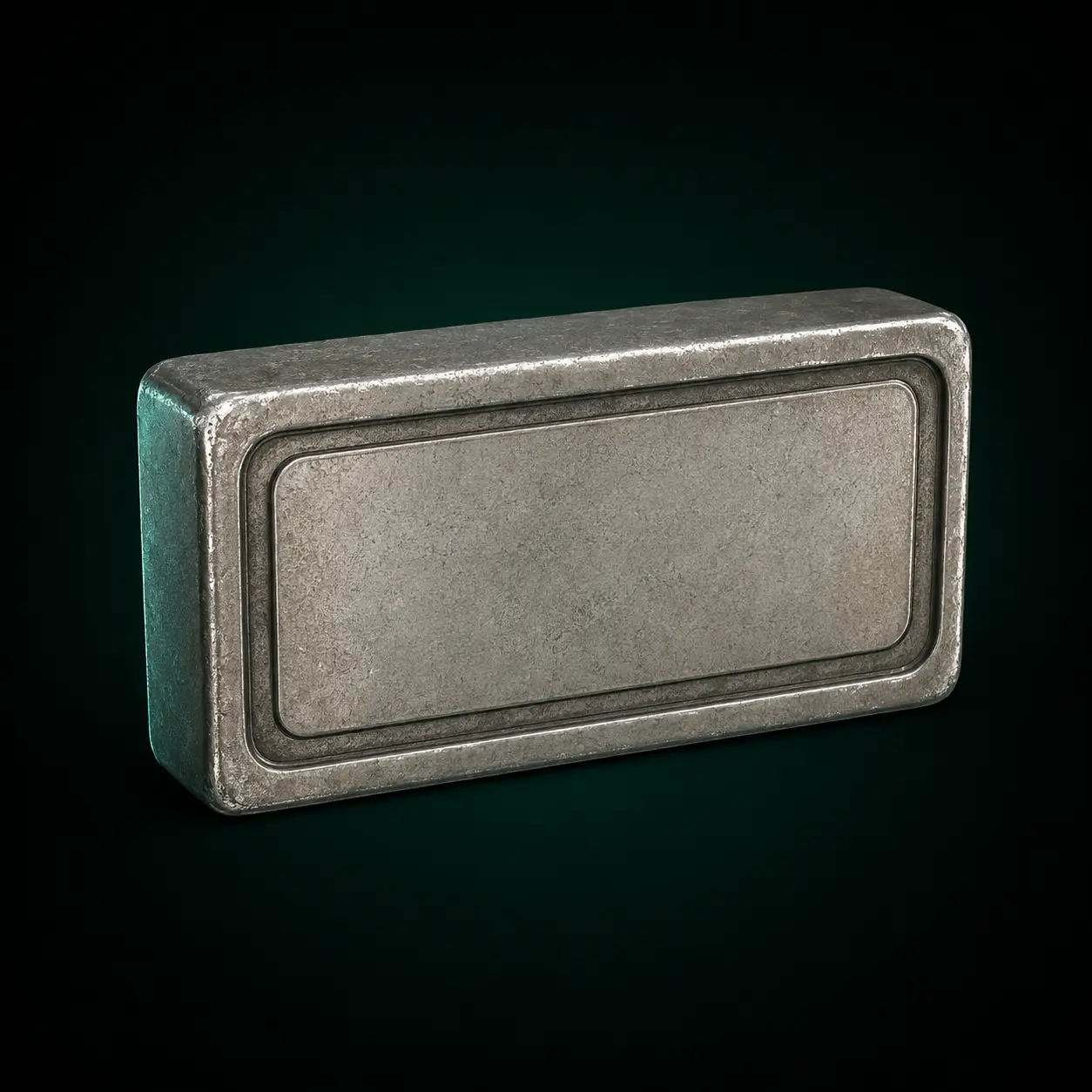
When comparing brands, check whether the bar is cast or minted, whether the design or packaging adds a collector premium, and whether your likely resale dealer routinely trades that maker.
Kilo bars: metric weight, troy-ounce value
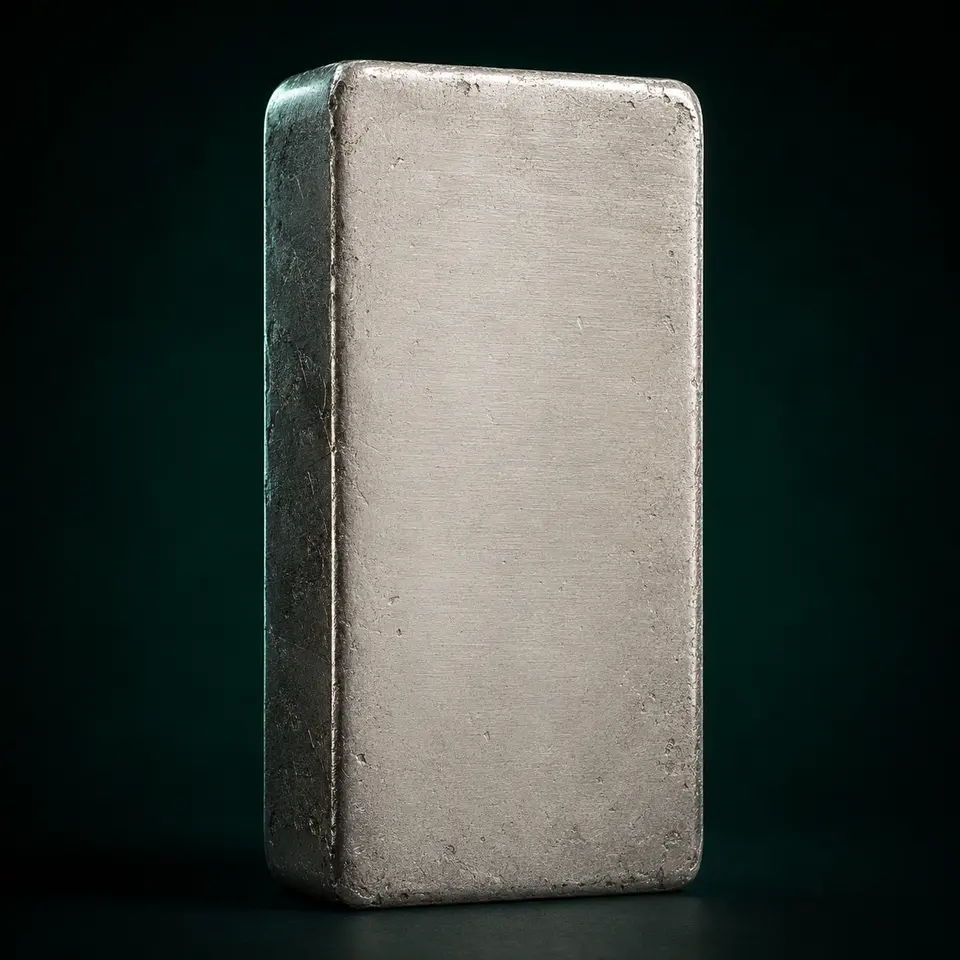
A kilogram bar weighs 1,000 grams, equal to approximately 32.1507465 troy ounces. Reputable product specifications state the exact silver content and fineness. Kilo bars make dense, satisfying stack anchors, but the total ticket is larger and some U.S. buyers are less accustomed to metric bullion than ten- or hundred-ounce formats.
Hundred-ounce bars: efficient and concentrated
A hundred-ounce bar can offer efficient storage and competitive per-ounce pricing. It also places a meaningful amount of value in one object. Before buying, consider safe capacity, insurance limits, handling weight, the buyer pool in your area, and how you would sell only a portion if you needed liquidity.
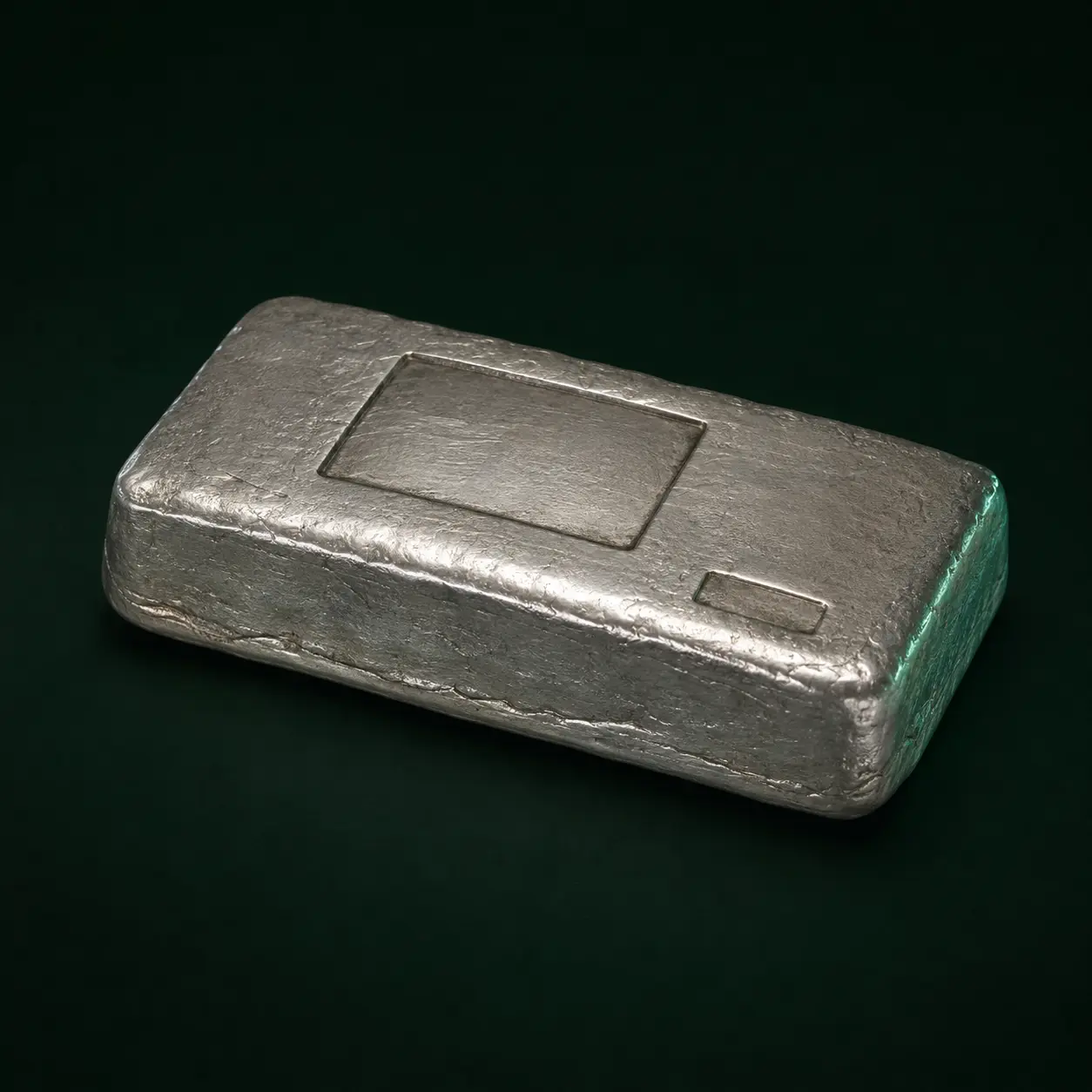
Vintage hundred-ounce bars can be collector objects rather than generic bulk bullion. In that case, condition, maker, hallmark style, serial range, and provenance can overwhelm the normal large-bar premium pattern.
Build around your likely exit
Imagine the future sale before the purchase. If you expect small private sales, smaller pieces may justify their premium. If you plan to sell to a major bullion dealer and prioritize ounces per cubic inch, larger standardized bars may fit. Keep some liquidity outside precious metals so you are not forced to sell an oversized bar at an inconvenient time.
Primary references
Sources and further reading.
Ouncebound summarizes these sources for general education. Product specifications and market practices can change; verify the exact piece before buying or selling.
The Silver Brief
Keep the framework. Skip the daily noise.
Occasional price context, buying notes, and new archive research—written to be useful, not urgent.