The short version
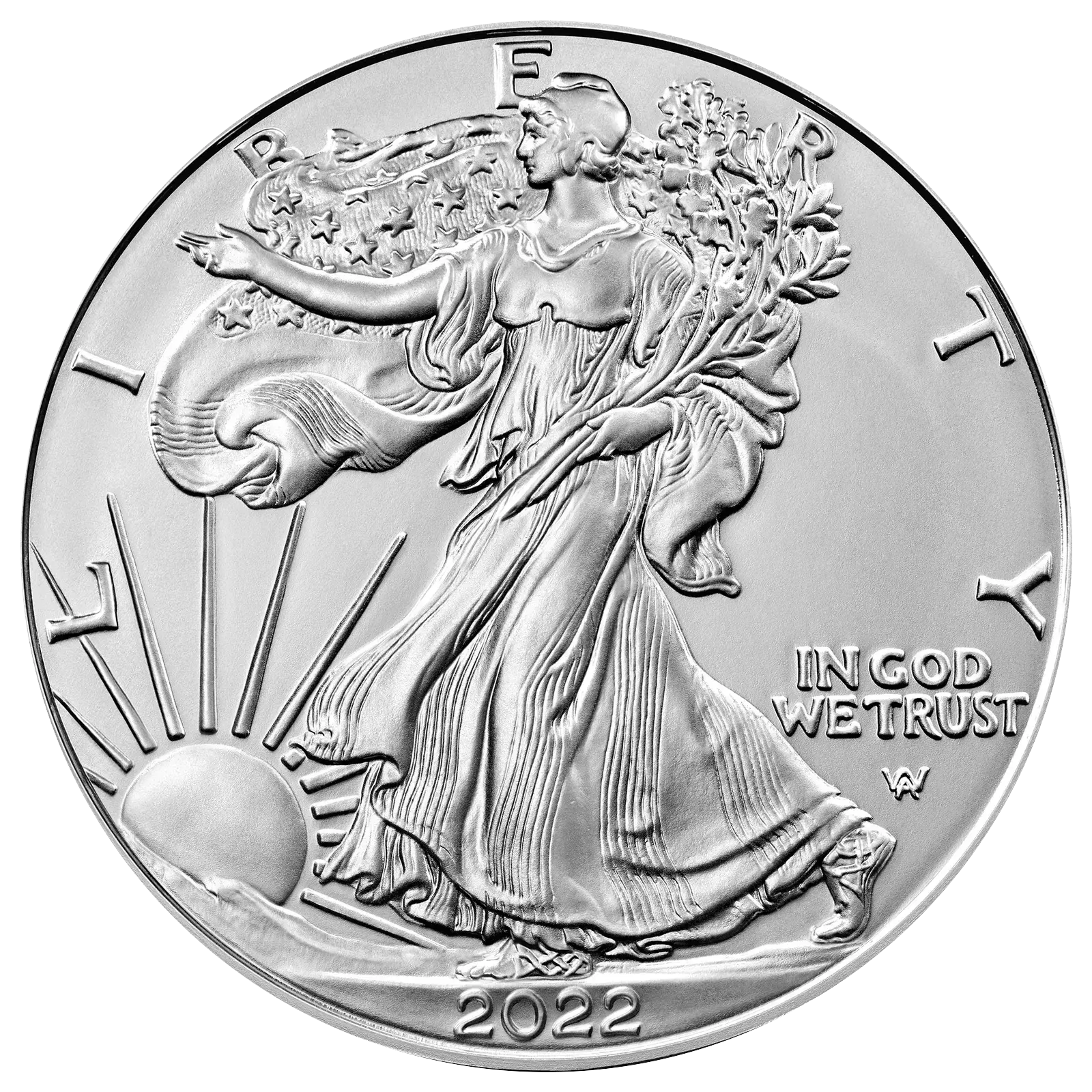
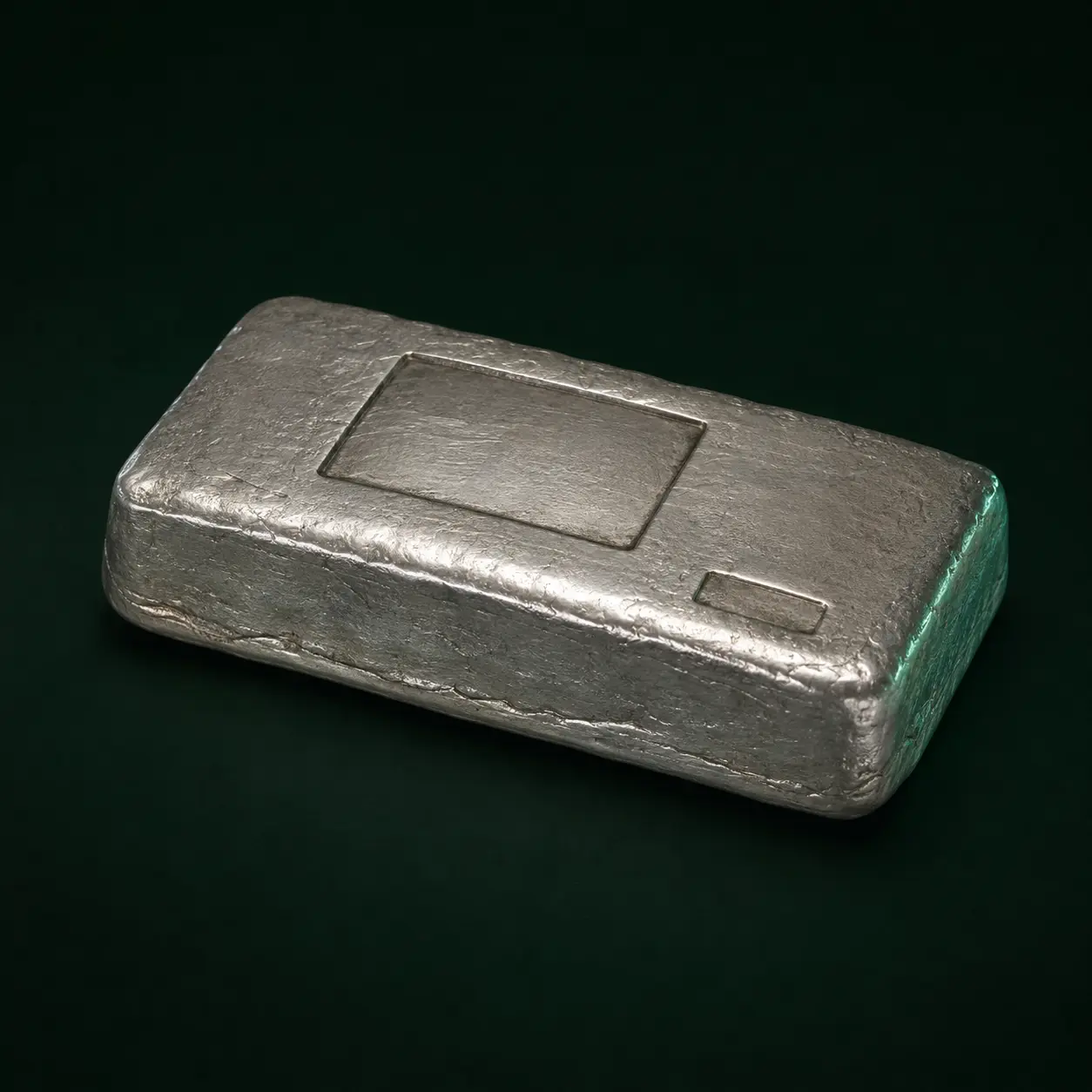
- A bar is a rectangular or poured bullion product; a round is privately minted and circular; a coin is issued under government authority.
- Legal-tender face value does not equal the metal value of a bullion coin.
- Recognition, condition, design, scarcity, and dealer spread can matter as much as format.
Start with the issuer, not the shape
A silver bar is typically produced by a private refinery or mint in a rectangular, square, or deliberately irregular poured form. Retail bars commonly show a maker, weight, and fineness. Some also carry serial numbers, assay packaging, or anti-counterfeit features.
A silver round is also usually privately produced, but it is circular and coin-like. It does not become a coin merely because it has a reeded edge, a portrait, or a date. The defining difference is that a round is not issued as legal tender by a sovereign government.
A silver coin is issued under government authority and carries a denomination or legal-tender status. The U.S. Mint describes bullion coins as products valued primarily by precious-metal weight, with weight, content, and purity guaranteed by the government. That government-issued dollar amount is nominal: a one-ounce Silver Eagle is not economically worth only its one-dollar face value.
Why two one-ounce pieces cost different amounts
The melt value starts with fine-silver content, but the retail price adds a premium. Government coins often command more because they are widely recognized and costly to manufacture and distribute. A generic round may trade closer to melt. A discontinued vintage bar can carry a much larger collector premium even though it has no face value.
Condition also works differently. Minor contact marks may be normal on investment bullion, while collector coins, proof finishes, original packaging, and scarce varieties can be much more condition-sensitive. Never assume a higher asking price means a piece is rarer or easier to resell.
- For low-cost silver exposure: compare recognizable generic rounds and standard bars.
- For broad recognition: compare established government bullion coins.
- For collecting: research the exact series, date, variety, finish, and mintage rather than buying from the design alone.
A practical way to choose
There is no universally best format. Small bars and rounds make it easier to sell only part of a stack. Government coins may be easier for a new buyer to identify. Larger bars consolidate storage and can reduce fabrication cost per ounce, but they also concentrate value into fewer pieces.
A balanced stack can mix formats: recognizable one-ounce pieces for flexibility, larger bars for efficient ounces, and a smaller collector allocation for designs or vintage makers you genuinely enjoy. Keep purchase records separately from the piece itself and photograph serial numbers when present.
Ouncebound rarity and XP are collecting tools, not appraisals or predictions of investment performance.
Primary references
Sources and further reading.
Ouncebound summarizes these sources for general education. Product specifications and market practices can change; verify the exact piece before buying or selling.
The Silver Brief
Keep the framework. Skip the daily noise.
Occasional price context, buying notes, and new archive research—written to be useful, not urgent.