The short version
- Both products can provide one troy ounce of silver, but only the Silver Eagle is a sovereign legal-tender coin.
- Silver Eagles commonly cost more; whether that premium is worth paying depends on resale recognition and your collecting goals.
- Compare the buyback side as well as the purchase price because premiums are not guaranteed to return to you.
What the Silver Eagle guarantees
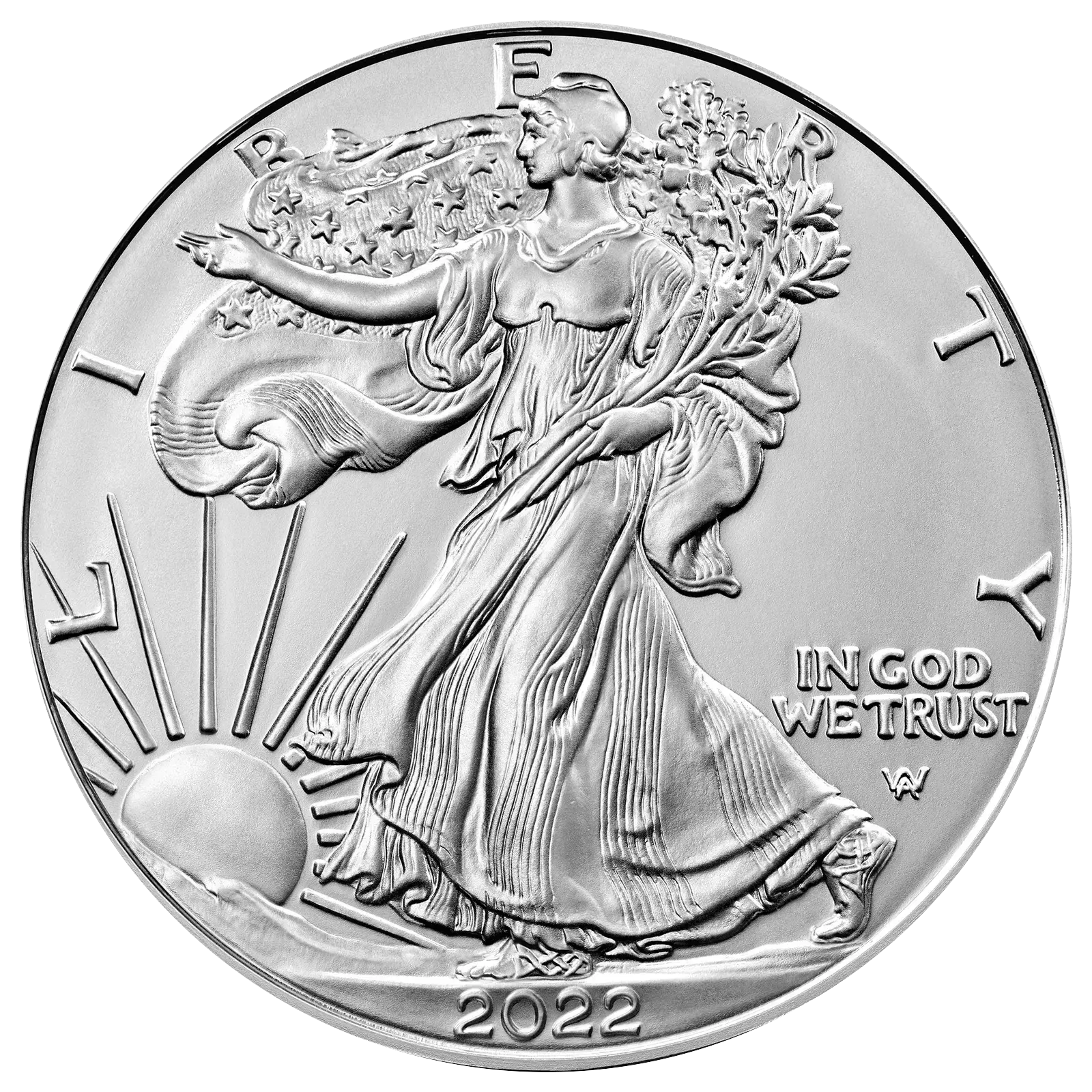
The American Silver Eagle bullion coin contains one troy ounce of 99.9% silver and carries a one-dollar face value. The U.S. Mint guarantees its weight, content, and purity. Bullion versions are distributed through the Mint's Authorized Purchaser network rather than sold directly to the public by the Mint.
The face value is nominal and does not cap the coin's market value. Buyers usually price the coin from silver content plus a product premium influenced by wholesale distribution, retail demand, condition, date, quantity, and availability.
What a generic round offers
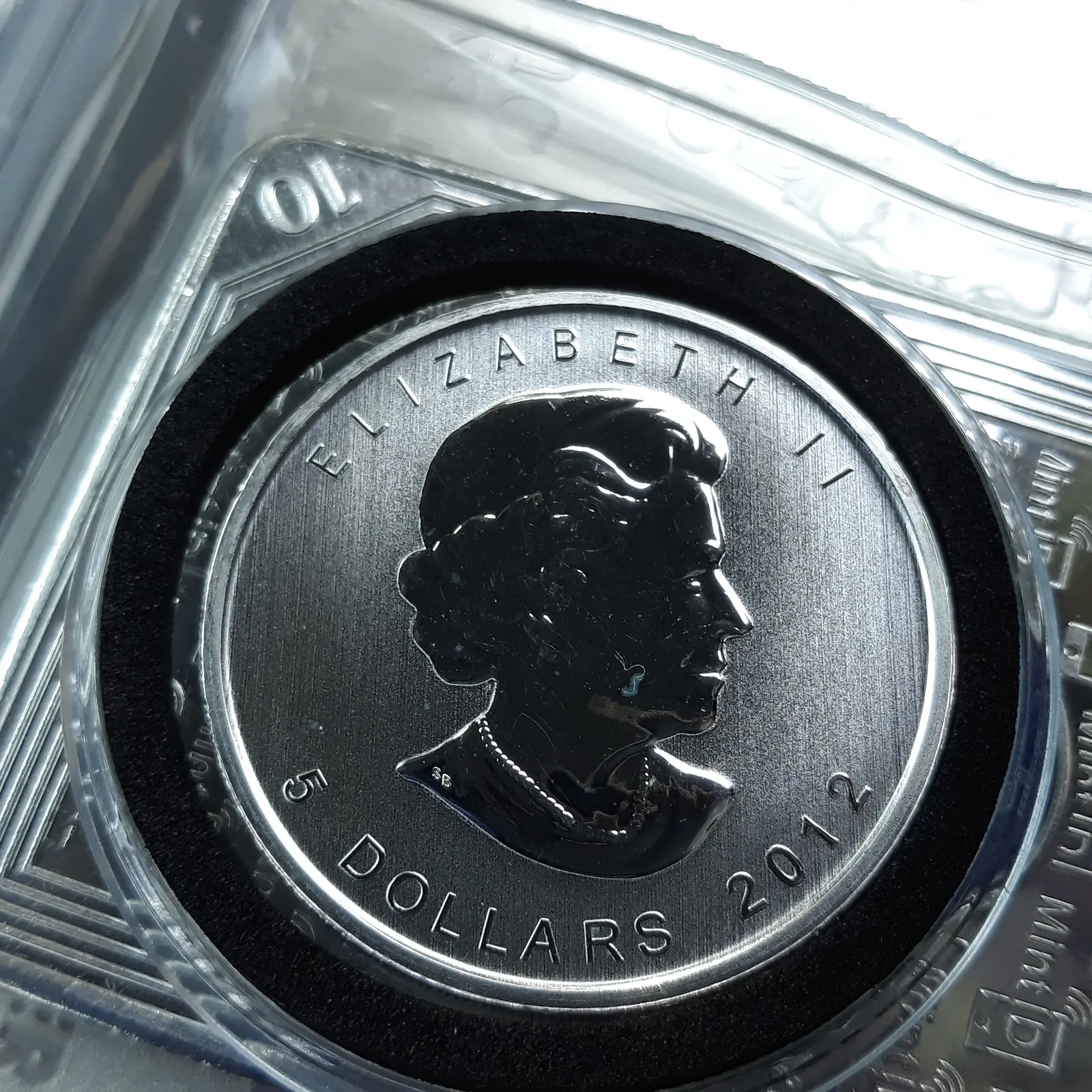
A generic round is privately minted and has no government denomination. Reputable rounds state the maker, weight, and fineness, and many use established designs or security features. Because they do not carry the same sovereign-coin premium, generics often appeal to buyers prioritizing more silver ounces for a given budget.
Generic does not mean identical. Recognition can vary by mint, and novelty, licensed, limited-mintage, or special-finish rounds may trade like collectibles rather than low-premium bullion.
Compare the round-trip spread
Suppose the Eagle costs more today. The key question is not only whether it may resell above a generic round, but how much of the extra purchase premium a realistic buyer would pay back under the same market conditions. Ask dealers for current buy and sell quotes on both products and calculate the difference.
Premium behavior can change during periods of strong retail demand or excess inventory. A product that normally carries a consistent premium can still experience a wider spread, and collectible dates can behave differently from common bullion issues.
Choose based on the job
Choose Eagles when government issuance, broad U.S. recognition, a long-running series, and date collecting matter to you. Choose established generic rounds when your priority is reducing cost per ounce and you are comfortable evaluating a private mint. A mixed approach can keep some highly recognizable pieces while directing more of the budget toward lower-premium ounces.
Proof, burnished, graded, privy-marked, and scarce-date Eagles are separate collector markets. Do not compare their prices directly with ordinary bullion coins or generic rounds.
Common questions
Answers without the sales pitch.
Is a Silver Eagle worth more than its silver content?
It usually trades with a product premium above melt because of government issuance, recognition, distribution costs, and demand. That premium changes and is not guaranteed to be recovered when selling.
Is a generic silver round a coin?
No. A round may look like a coin, but it is privately minted and does not have sovereign legal-tender status.
Which is easier to sell?
Silver Eagles are widely recognized in the United States, but established generic rounds are also routinely traded. Actual liquidity and buyback price depend on the buyer, product, condition, quantity, and current demand.
Primary references
Sources and further reading.
Ouncebound summarizes these sources for general education. Product specifications and market practices can change; verify the exact piece before buying or selling.
The Silver Brief
Keep the framework. Skip the daily noise.
Occasional price context, buying notes, and new archive research—written to be useful, not urgent.