Define vintage carefully
Seller language is inconsistent. Identify the actual maker, approximate production period, and documented variety before accepting a premium based on age.
Matching archive records
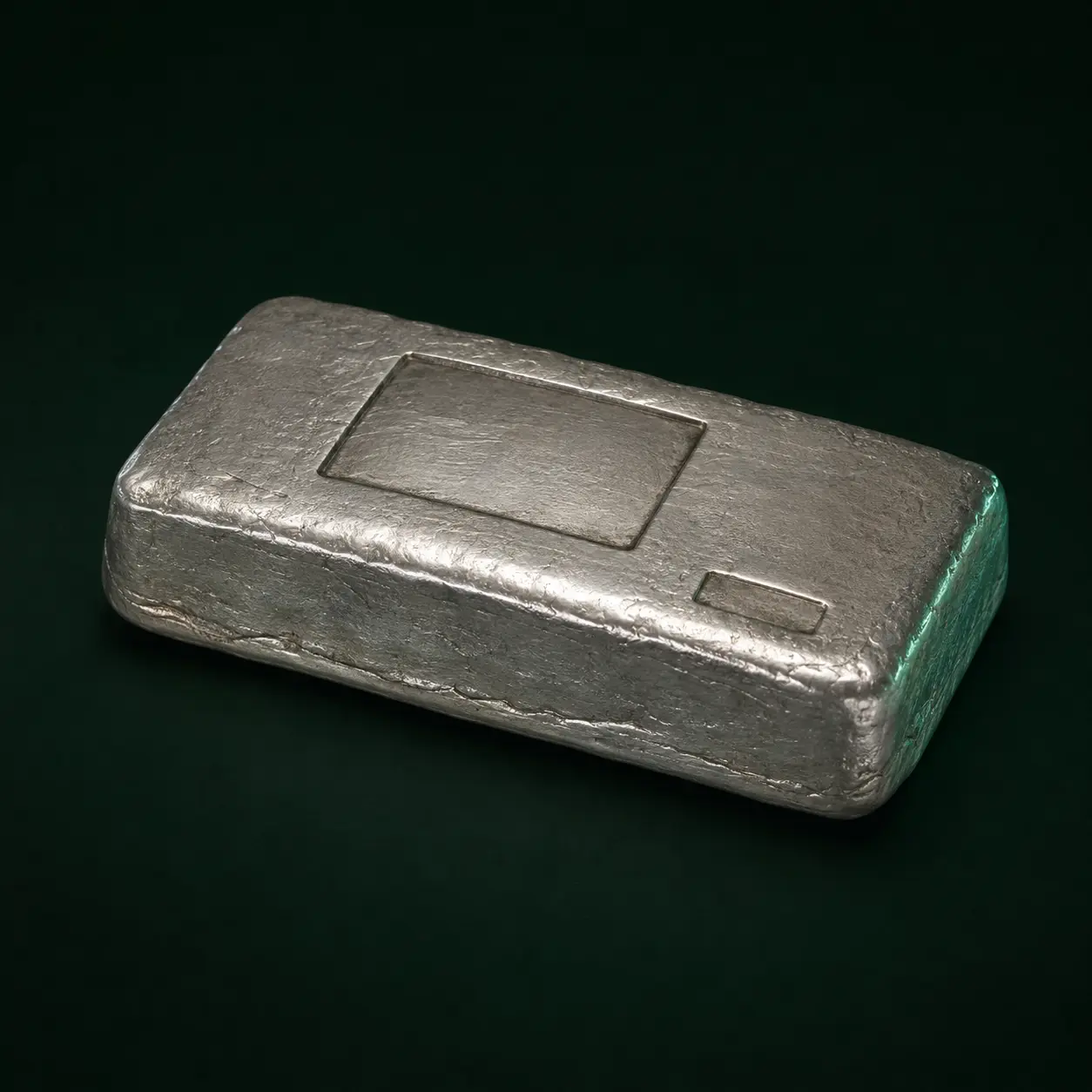
Engelhard
A poured vintage bar recognized by its deep rectangular hallmark and serial-numbered face.
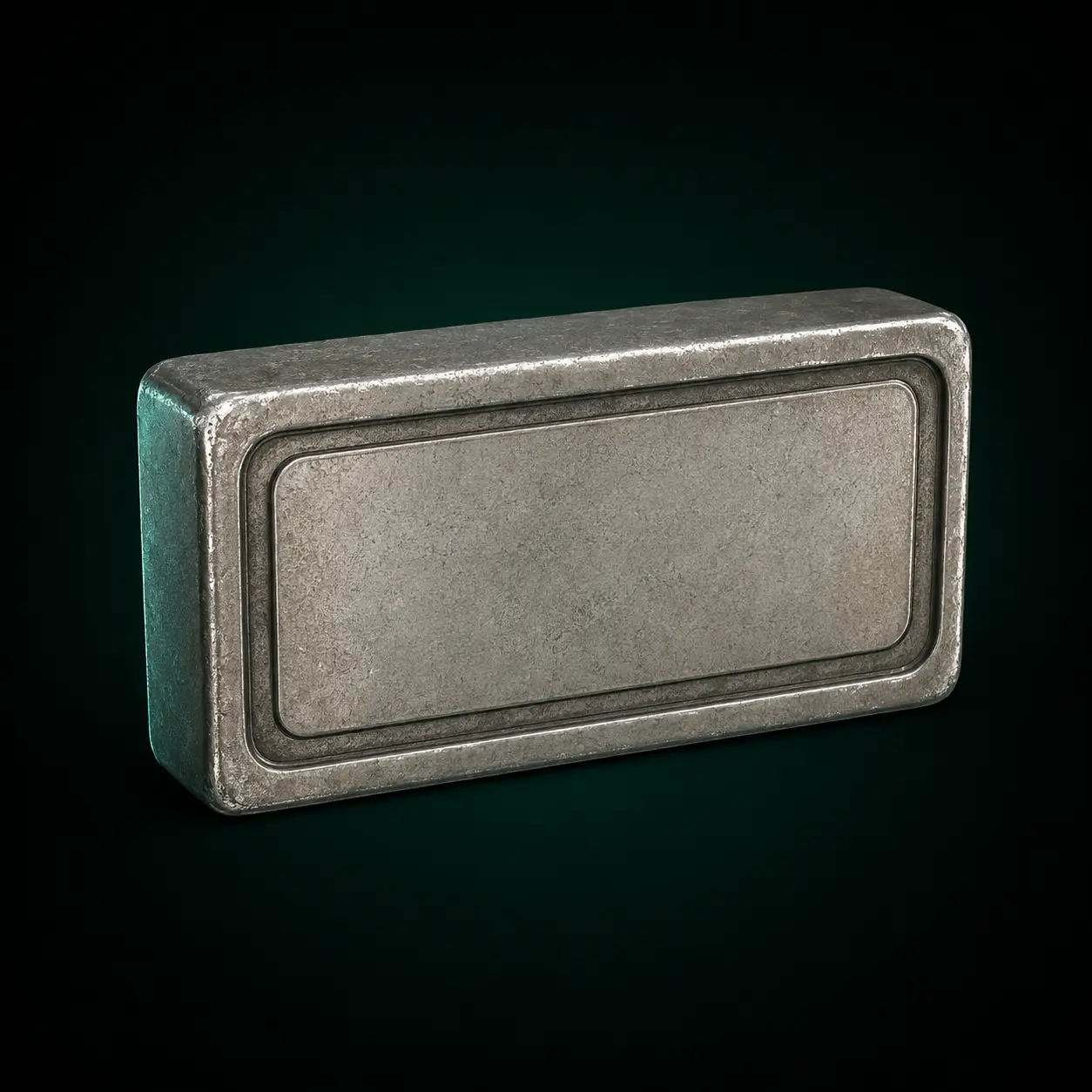
Johnson Matthey
A compact vintage minted bar with repeating refinery logos across the reverse.
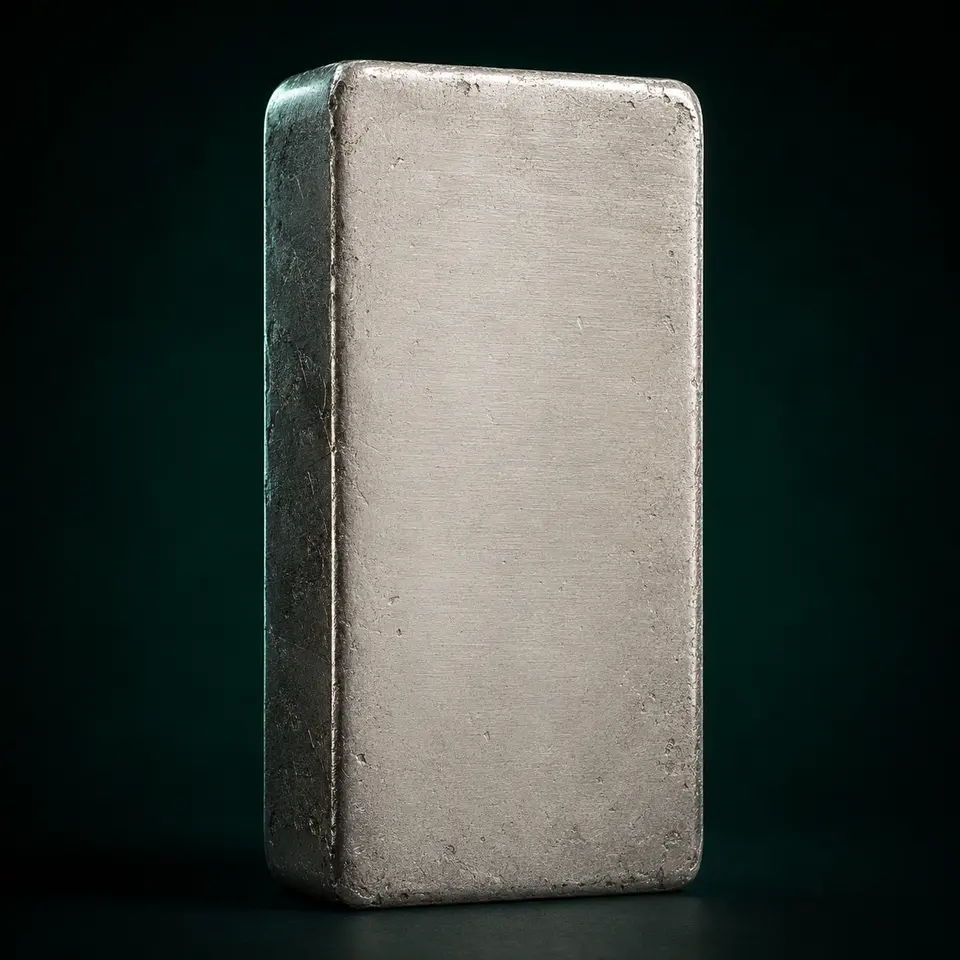
Engelhard
A massive vintage poured ingot whose hallmarks, serial ranges, and cooling lines vary by production run.
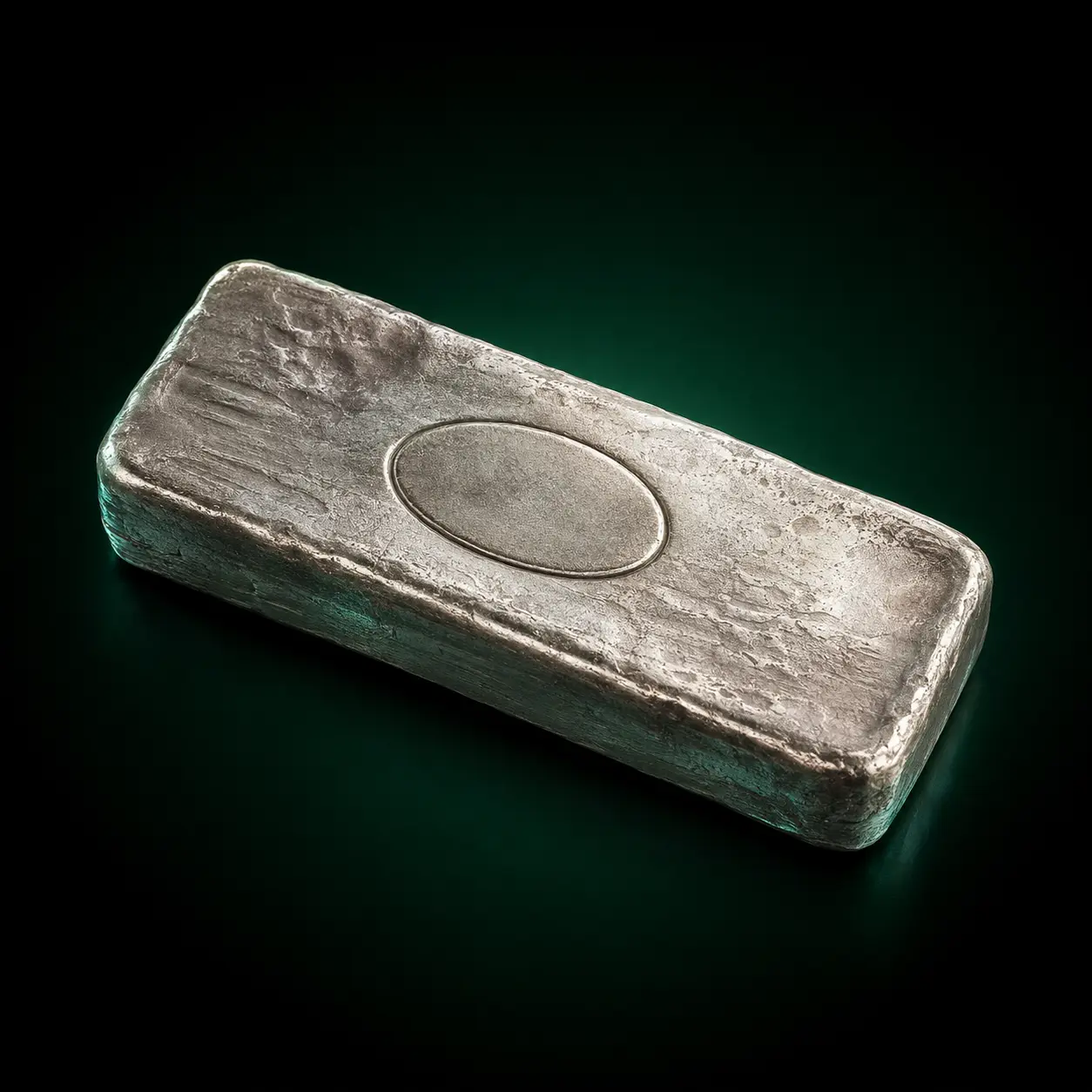
Academy
A compact poured bar with bold block hallmarks and naturally irregular edges.
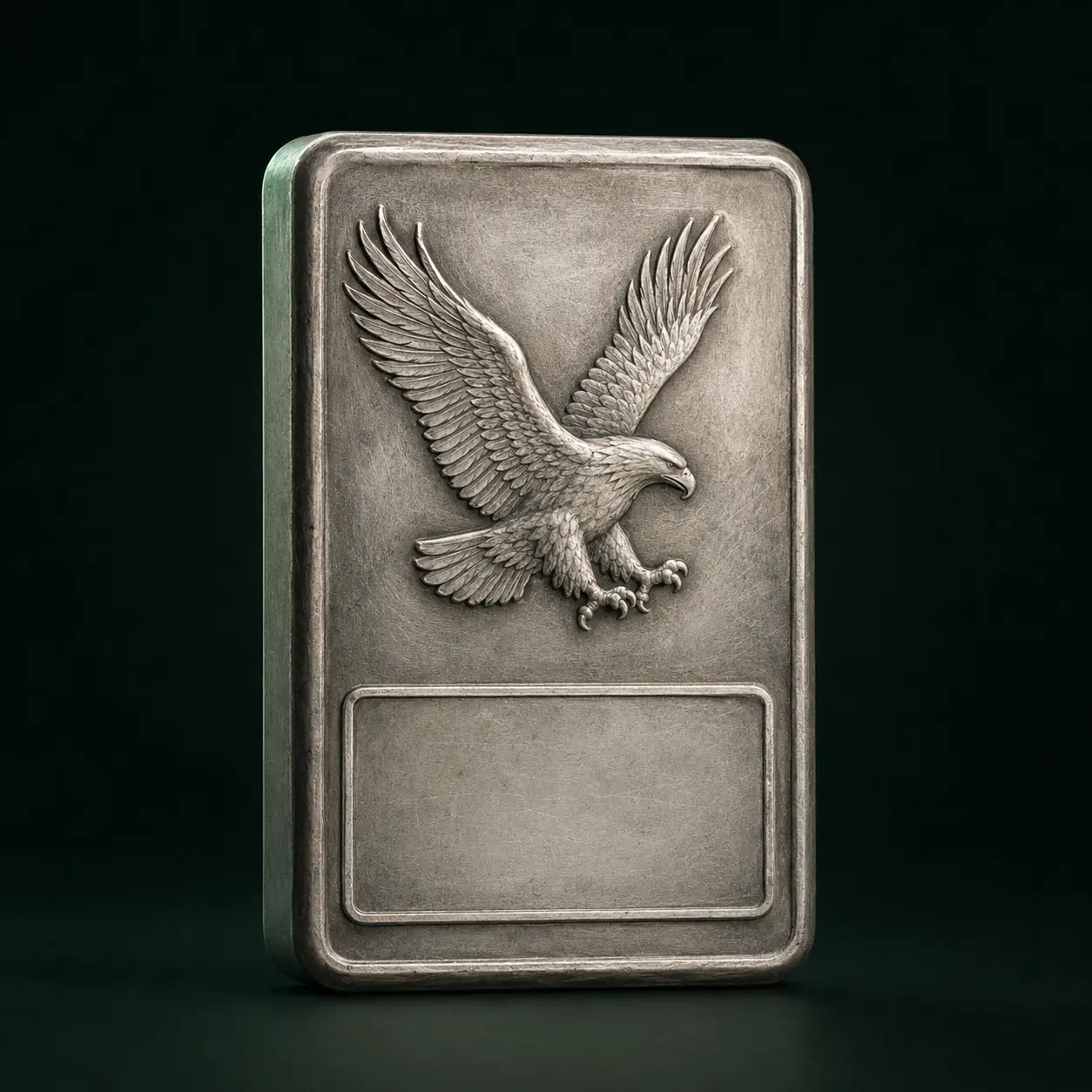
U.S. Assay Office
A vintage bar marked as silver formerly stored at the U.S. Assay Office in San Francisco.
Johnson Matthey
5 oz Vintage Bar from Johnson Matthey, containing 5 oz of .999 fine silver.
Johnson Matthey
10 oz Vintage Bar from Johnson Matthey, containing 10 oz of .999 fine silver.
Johnson Matthey
50 oz Vintage Bar from Johnson Matthey, containing 50 oz of .999 fine silver.
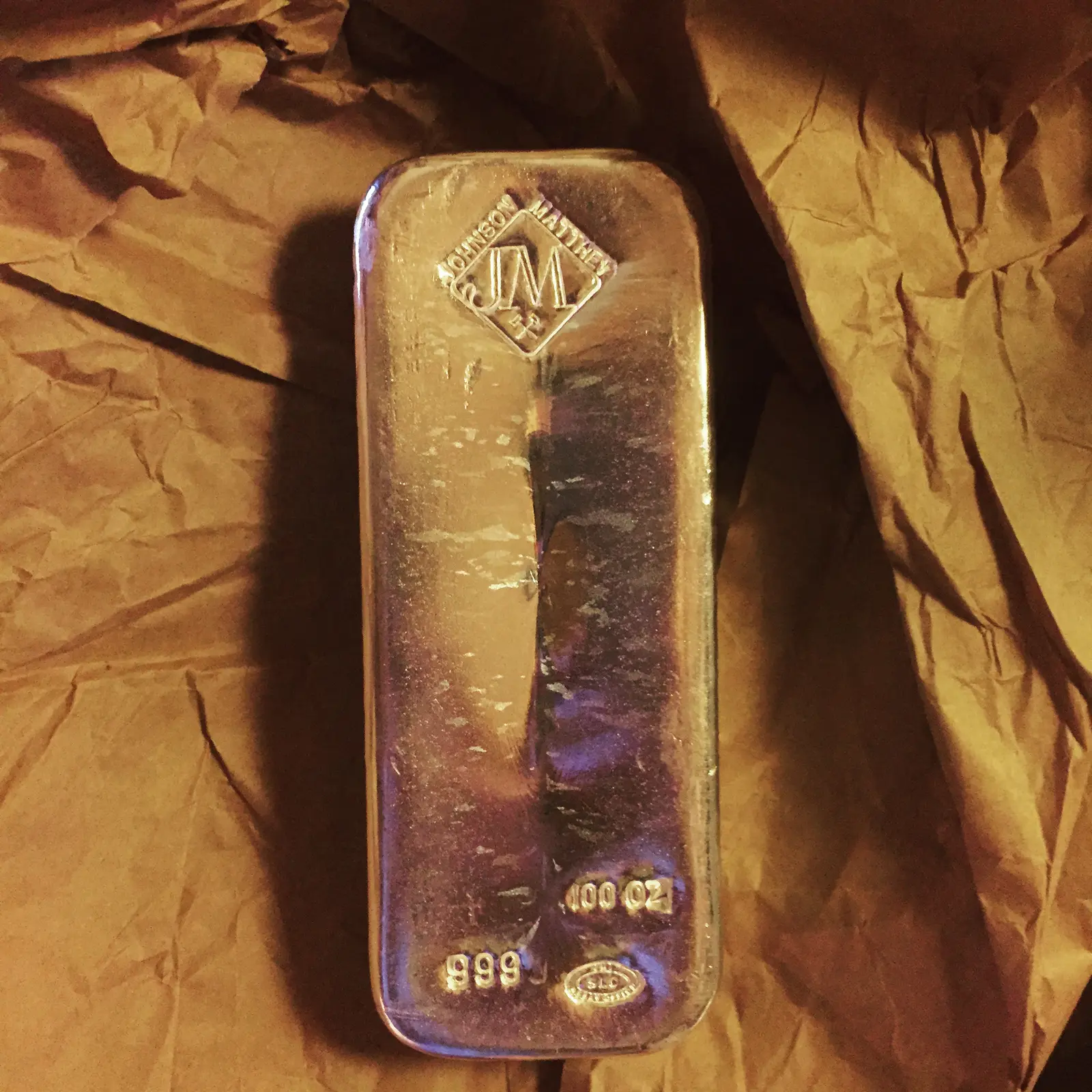
Johnson Matthey
100 oz Vintage Bar from Johnson Matthey, containing 100 oz of .999 fine silver.
Engelhard
1 oz Landscape Bar from Engelhard, containing 1 oz of .999+ fine silver.
Engelhard
10 oz Waffle Back Bar from Engelhard, containing 10 oz of .999+ fine silver.