Variation is normal
The mold, pour temperature, cooling, and finishing process can produce small differences between genuine examples from the same product line.
Matching archive records
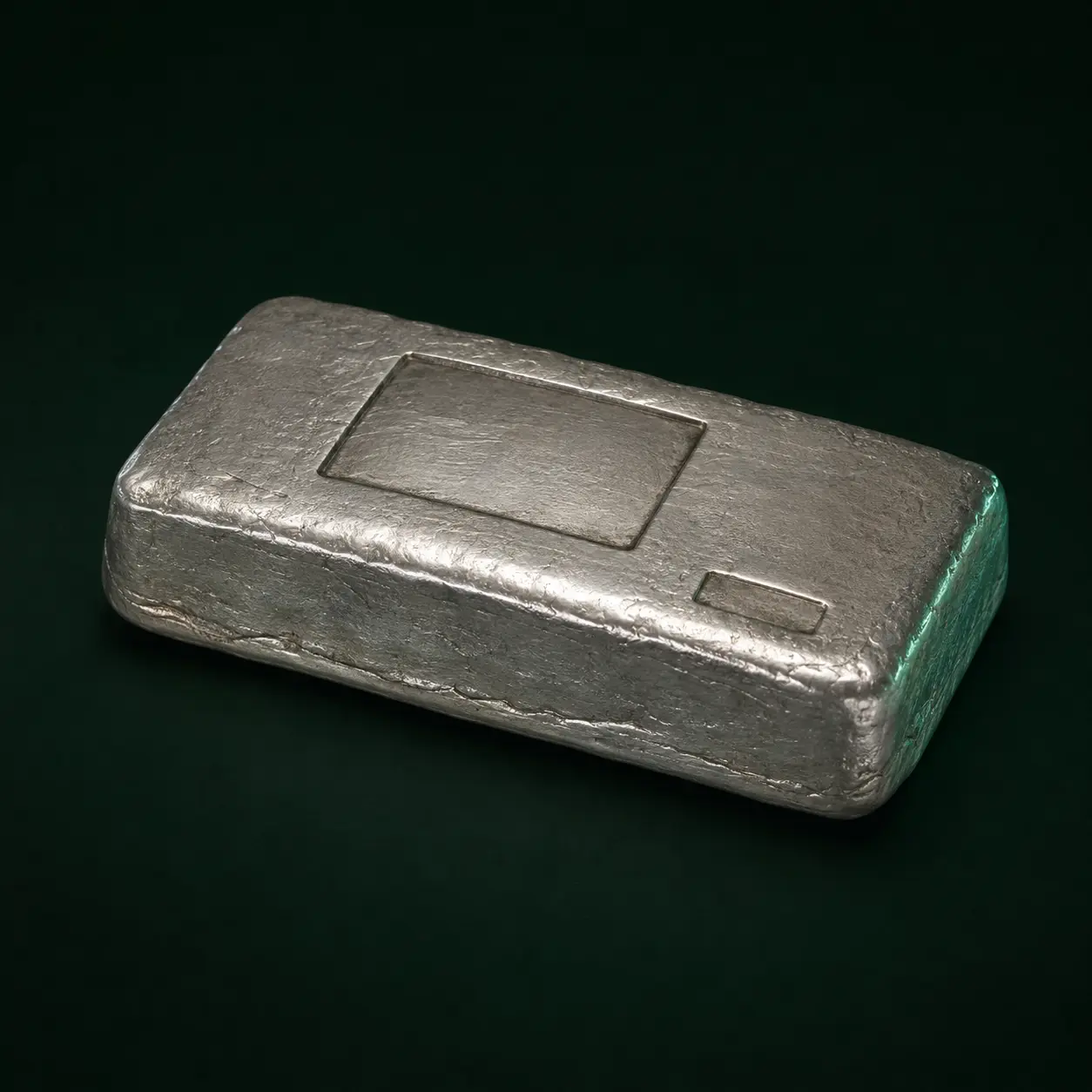
Engelhard
A poured vintage bar recognized by its deep rectangular hallmark and serial-numbered face.
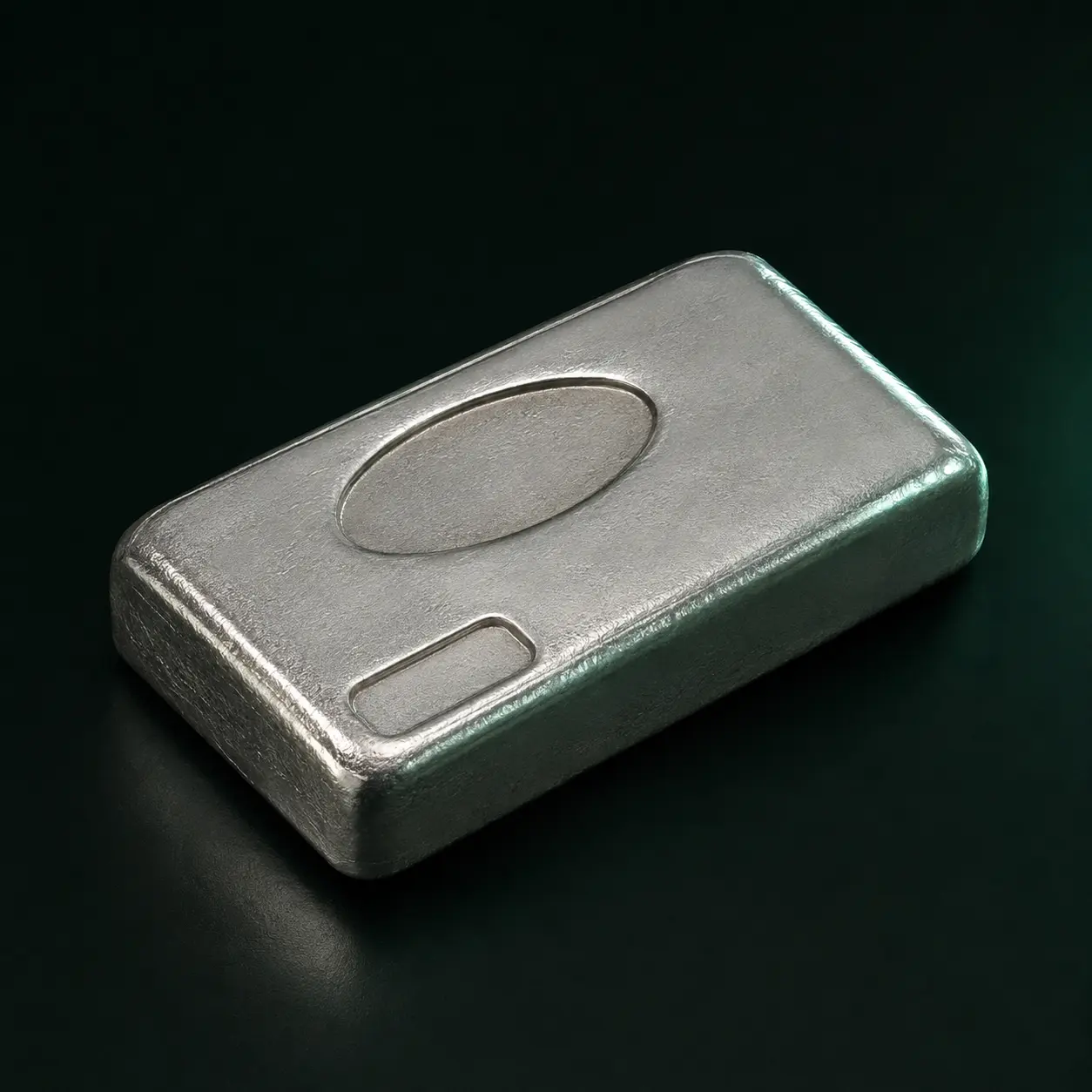
PAMP Suisse
A substantial Swiss cast bar with a clean refinery hallmark and individual serial number.
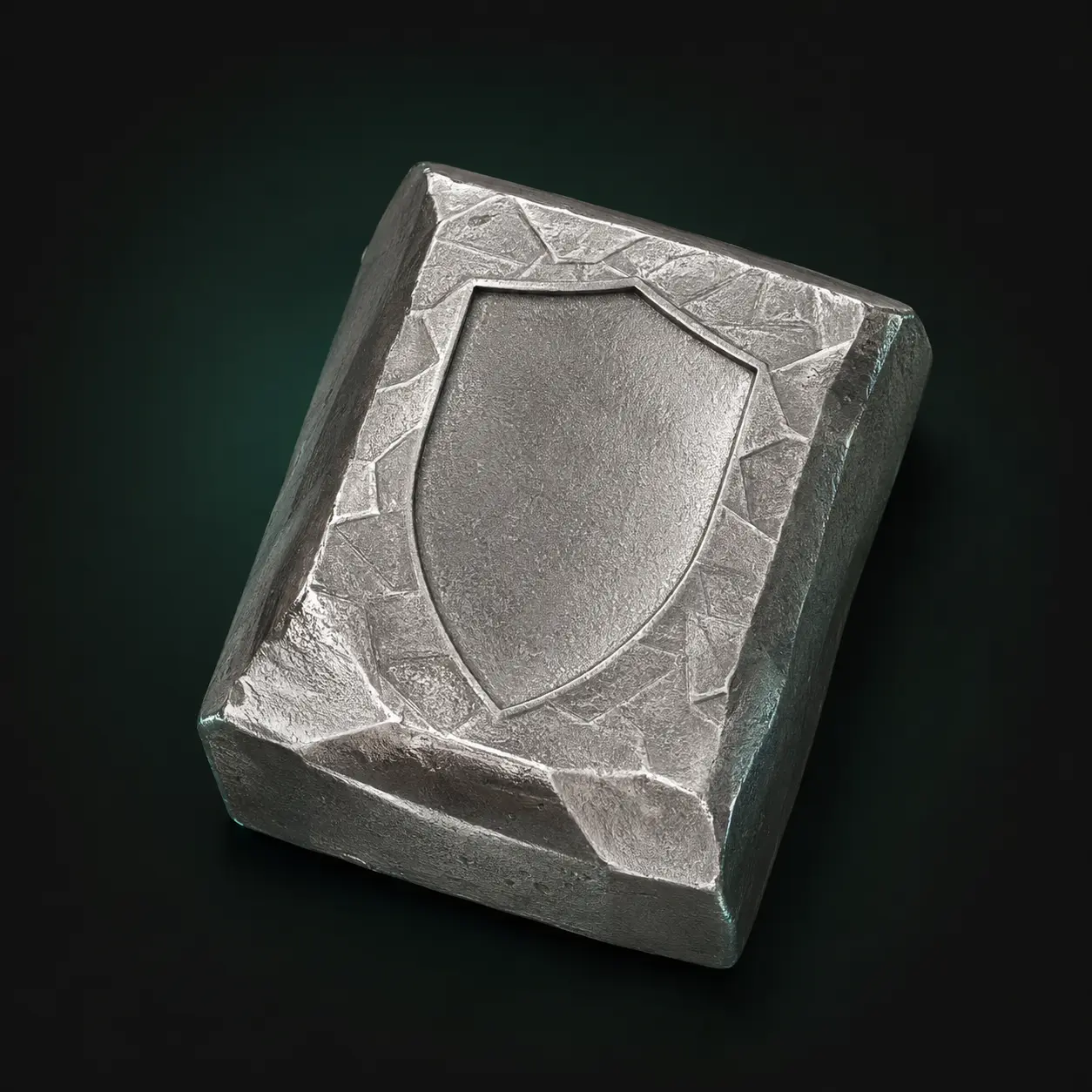
Germania Mint
A four-nines cast bar finished with a distinctive hologram and serialized presentation box.
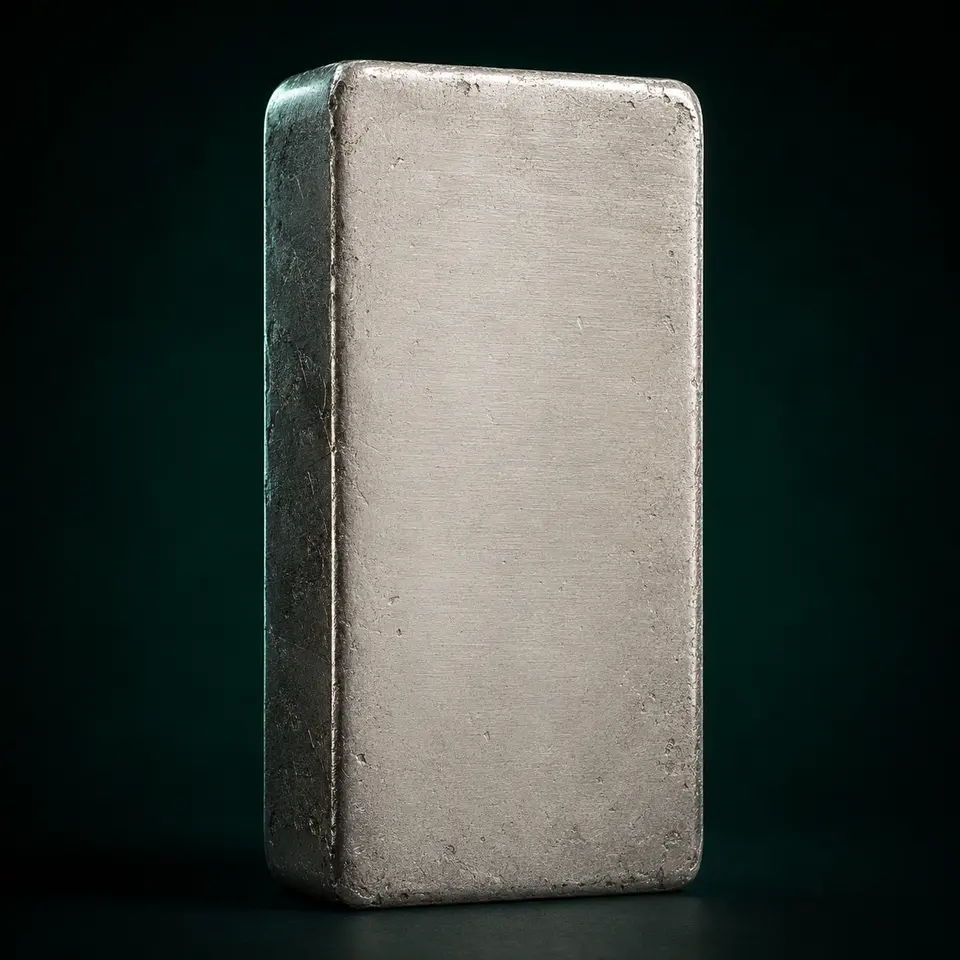
Asahi Refining
A vault-sized cast bar with a simple oval refinery stamp and substantial poured texture.
Engelhard
A massive vintage poured ingot whose hallmarks, serial ranges, and cooling lines vary by production run.
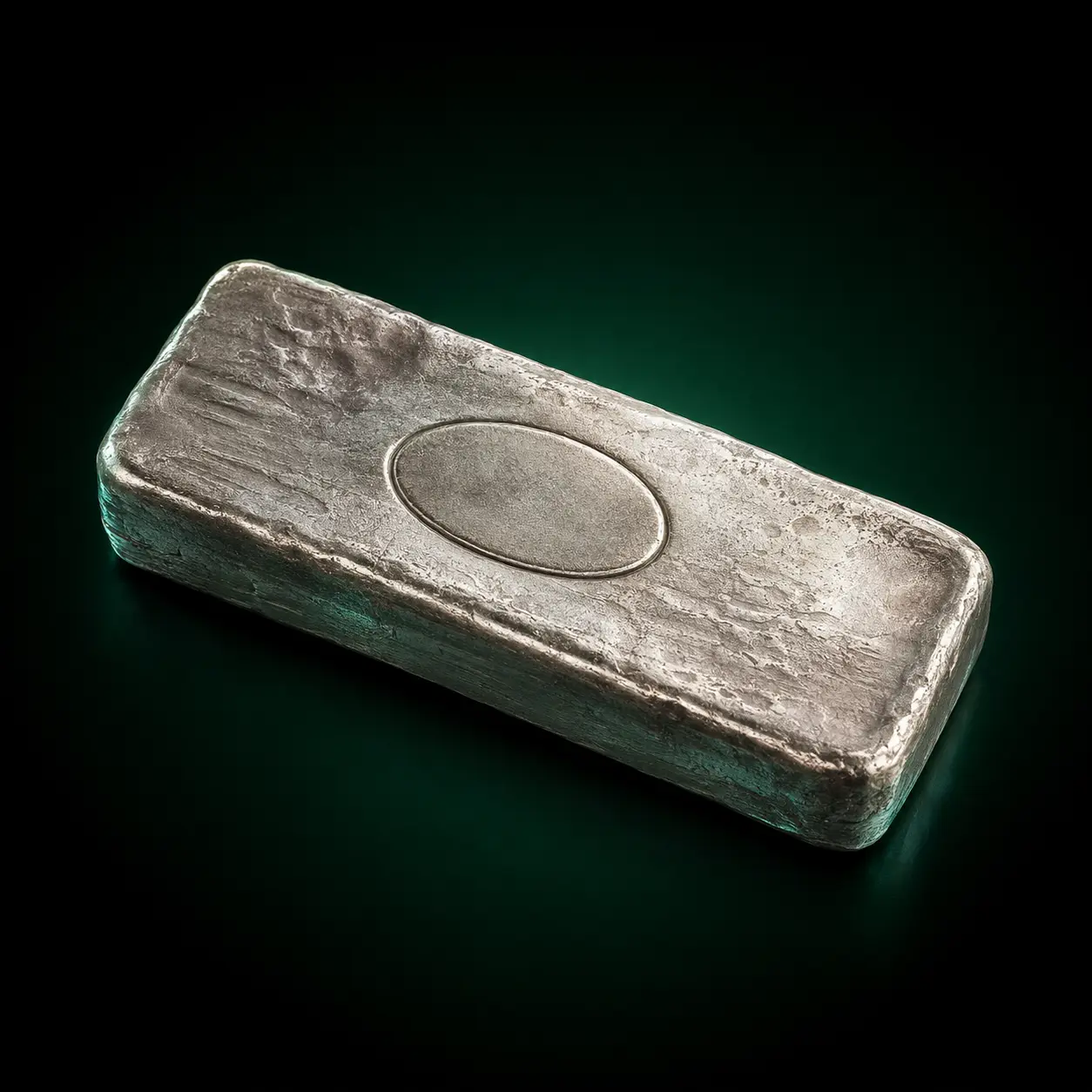
Academy
A compact poured bar with bold block hallmarks and naturally irregular edges.
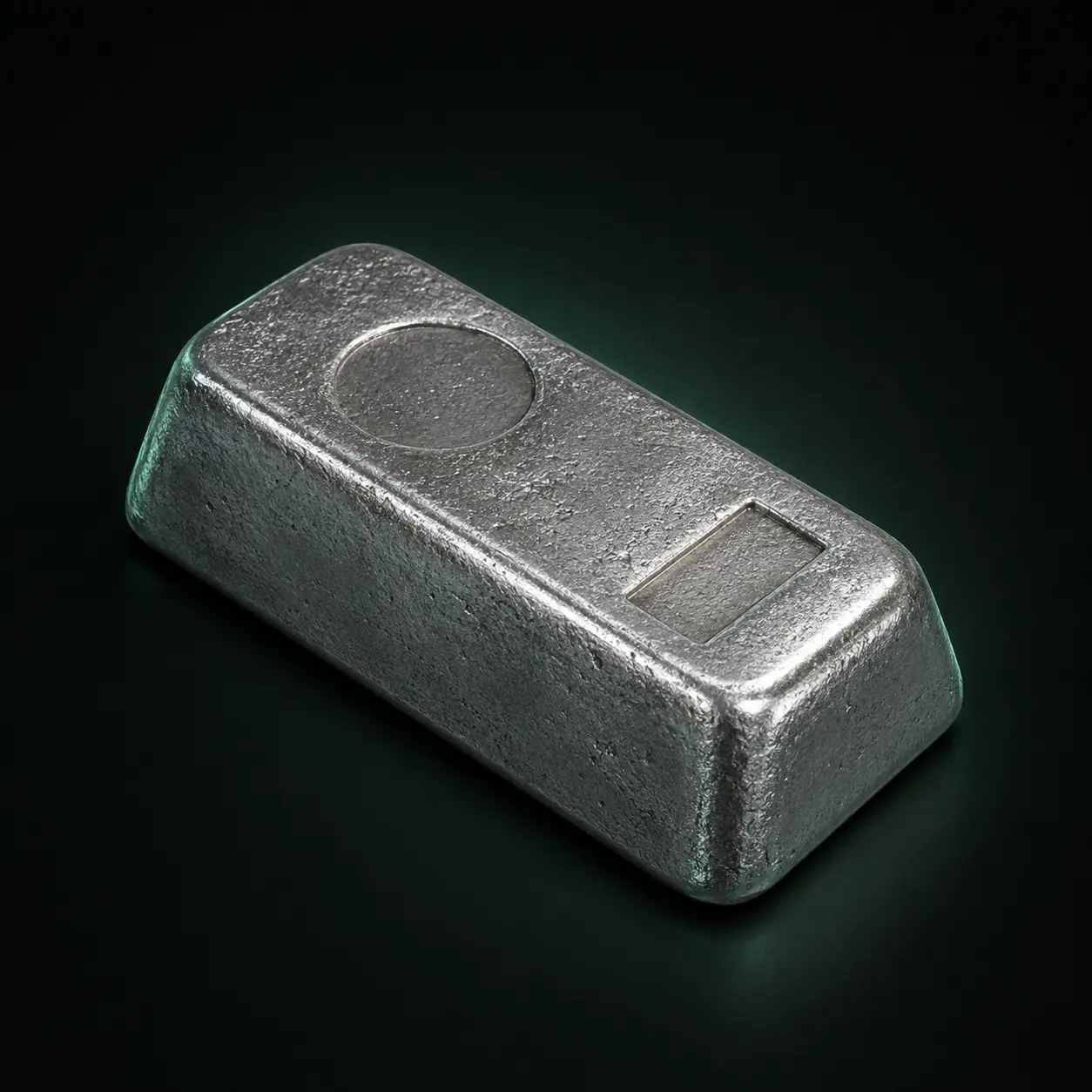
Argor-Heraeus
A Swiss cast kilo with an understated refinery stamp and industrial satin finish.
Germania Mint
100 g Cast Bar from Germania Mint, containing 100 g of .9999 fine silver.
Germania Mint
250 g Cast Bar from Germania Mint, containing 250 g of .9999 fine silver.
Germania Mint
500 g Cast Bar from Germania Mint, containing 500 g of .9999 fine silver.
Germania Mint
100 oz Cast Bar from Germania Mint, containing 100 oz of .9999 fine silver.
Argor-Heraeus
100 g Silver Bar from Argor-Heraeus, containing 100 g of .999 fine silver.